

 Support this Project




 0 Days Left
 59 Supporters
 1 Favourited


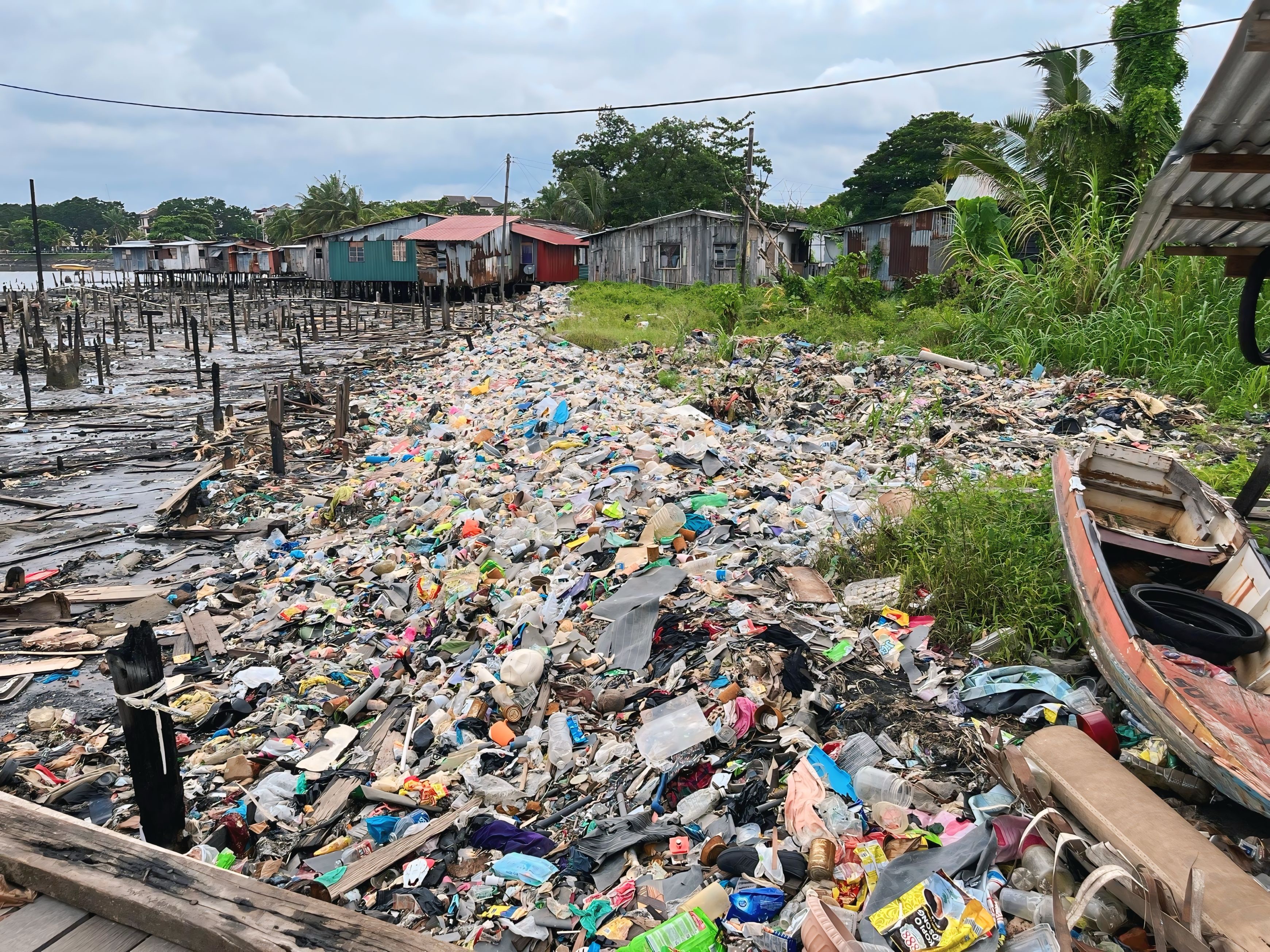
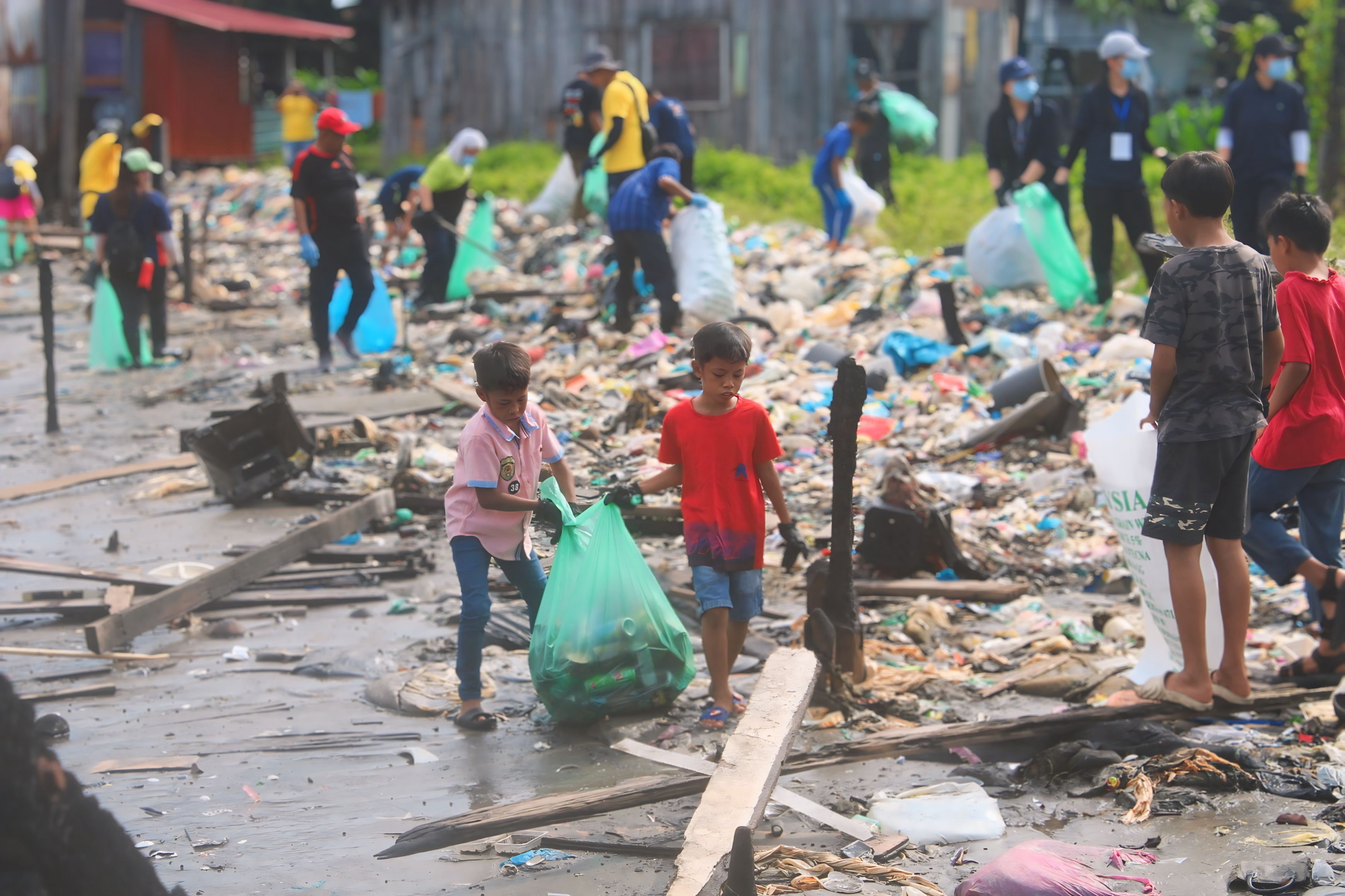
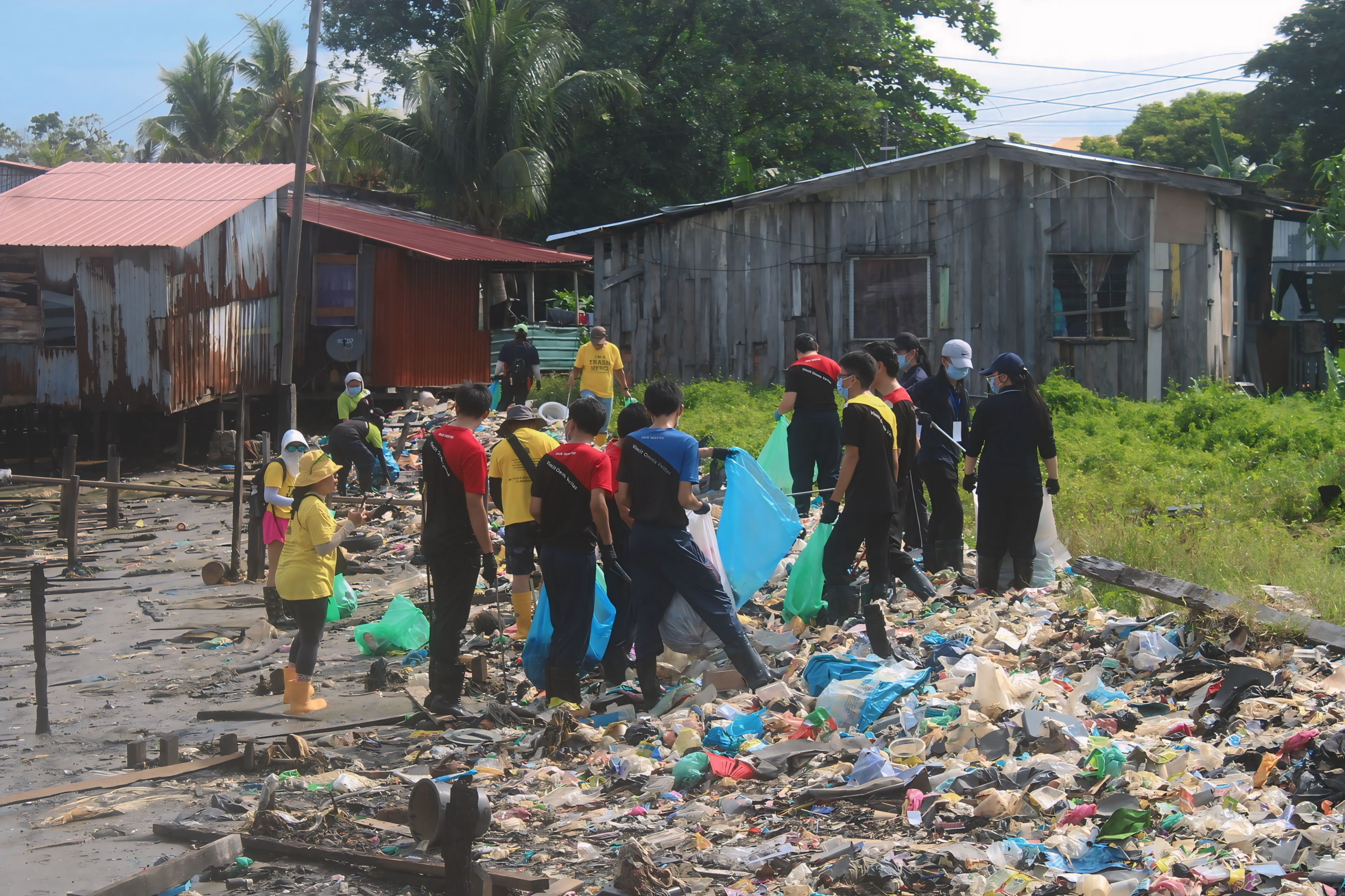
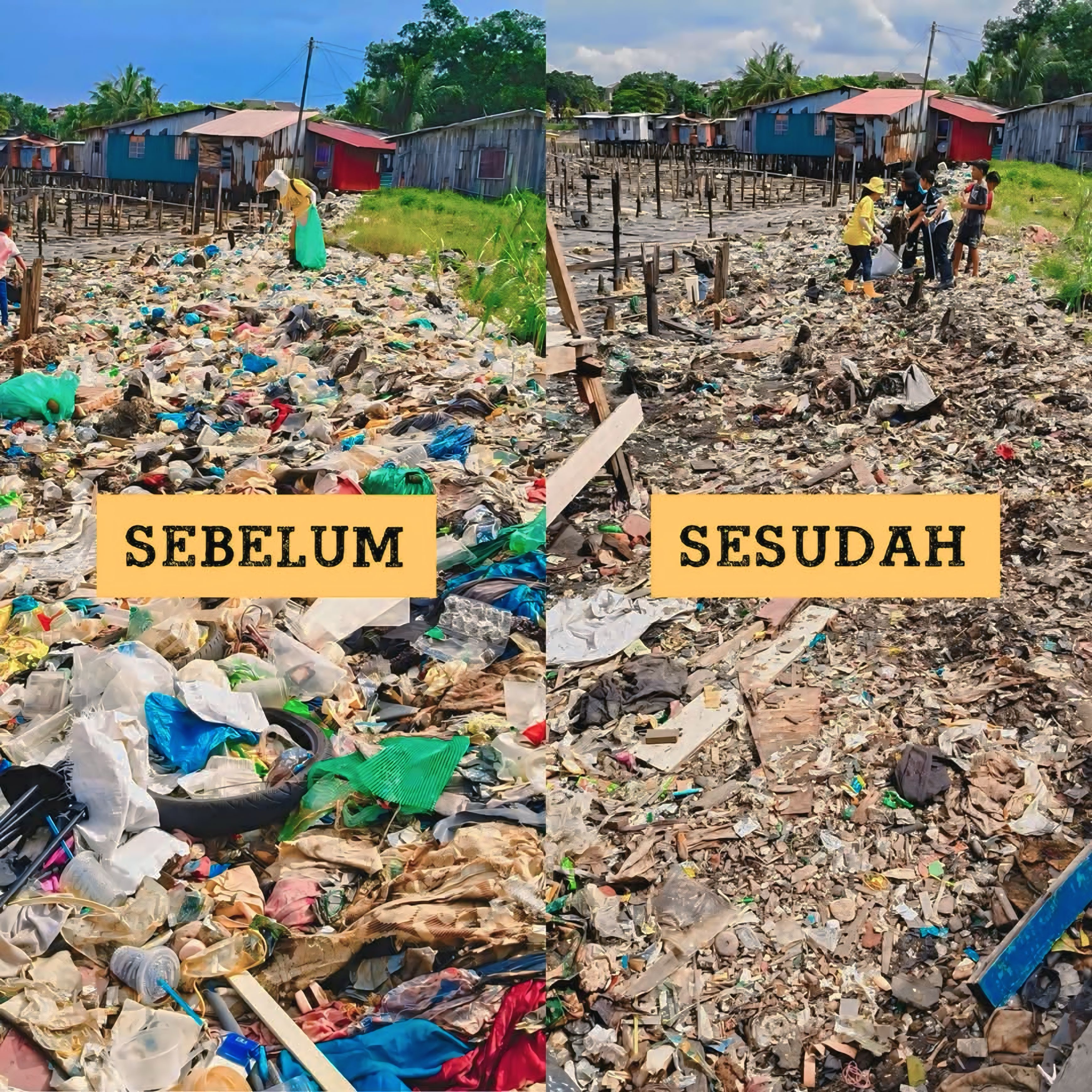
"Let's Go Waste Wise! Zero Waste, Zero Pollution" is a solid waste management project aimed at keeping Kampung Tanjung Aru Lama clean and waste-free. Located in Kota Kinabalu, Sabah, Kampung Tanjung Aru Lama is a typical water village with buildings constructed on stilts over the water. The village is home to approximately 3,000 residents, most of whom are from low-income families. Our focus is on the coastal area (as shown in Figure 1), where about 800 villagers reside. This area has been chosen as the project location because the primary waste issue stems from garbage disposal in coastal residential areas (Figure 2). This waste can flow into the ocean, causing pollution and threatening marine life. Additionally, waste from these areas can wash ashore at Tanjung Aru Beach, a popular tourist destination, adversely affecting the tourism industry in Sabah. While there are many water villages in Kota Kinabalu, some are illegal. In contrast, Kampung Tanjung Aru Lama is a legal settlement managed by Dewan Bandaraya Kota Kinabalu (DBKK). We believe that working with a legal village will facilitate better cooperation with key partners on this project. Therefore, Kampung Tanjung Aru Lama is an ideal location to launch an awareness campaign on proper solid waste management and the importance of maintaining local cleanliness.
Based on a research survey conducted by final-year students in 2024 (Jocelyn, G. J. (2024), the main causes of waste pollution and poor waste management in this area include the direct disposal of rubbish into the sea, bins being full and overflowing, and villagers wanting to recycle but lacking knowledge on how to do so (Figure 3). To address these issues and help local residents achieve a higher quality of life, our project includes several activities, such as awareness talks and community clean-up events. We will assist the villagers by teaching them proper waste management practices, promoting a zero-waste lifestyle, and demonstrating recycling methods. Additionally, we will organize community clean-up events to improve the cleanliness of Kampung Tanjung Aru Lama and encourage residents to take responsibility for their environment. Furthermore, the project includes a Waste2Cash program, where we will collaborate with recycling companies to visit the village and purchase sorted waste from the villagers. This initiative will not only enhance waste management and keep the environment cleaner but also provide an opportunity for villagers to earn money by selling sorted recyclables.Other than that, this activity is also expected to continue even after this campaign ends, and it will encourage the community to keep practicing 3R culture and free environment from waste pollution.

Figure 1. Location of Kampung Tanjung Aru Lama, Sabah which divided into Zone A: Land Area and Zone B: Coastal Area


Figure 2. Current situation at Kampung Tanjung Aru, Sabah Source: Jocelyn, G. J. (2024).

Figure 3. Analysis of Factors Contributing to Ineffective Waste Management in Kampung Tanjung Aru Lama Source: Jocelyn, G. J. (2024).
Vision
Focus on establishing sustainable waste management strategies that reduce environment impact and increase long term resources efficiency.
Mission
- To educate and empower communities to adopt a zero-waste lifestyle (3R), protect natural resources, and reduce pollution through talks and campaigns (Zero-waste week campaign).
- To teach villagers proper recycling methods of five main types of recyclable materials, which not only benefit the environment but also provide economic opportunities, such as income generation through recycling and composting programs (Waste2cash Program).
- To establish a one-stop centre (3R Hero Centre) for 3R activities, such as a collection and trading place for recyclable materials in Kampung Tanjung Aru.

Phase 1: Site Visit, Plan Revision and Preparation
Date | Time | Venue | Activities |
04/10/2024 | 09:00-12:00 | UMS | Meeting 1: Supervisor and team members Issues:
|
11/10/2024 | 09:00 – 12.00 | UMS | Meeting 2: Supervisor and team members Issues:
|
12/10/2024 | 08:00 – 16.00 | UMS
Kampung Tanjung Aru Lama | Site visit
|
13/10/2024 | 09:00 – 12.00 | UMS | Meeting 3: Supervisor and team members Issues:
|
Phase 1: Meeting With Key Partner
Date | Time | Venue | Activities |
16/10/2024 | 09:00 – 12:00
| DBKK | Meeting with representative from DBKK to discuss collaboration for the program. |
16/10/2024 | 14:00 – 16:00 | SEPA | Meeting with representative from SEPA to discuss collaboration for the program. |
18/10/2024 | 09:00 – 12:00
14:00 – 17:00 | Kota Kinabalu | Meeting with representative from SM La Salle to discuss collaboration for the program.
Meeting with representative from UiTM Sabah to discuss collaboration for the program. |
23/10/2024 | 10:00 – 12:00 | Kota Kinabalu | Meeting with representative from Zero Waste Sabah to discuss collaboration for the program. |
25/10/2024 |
9:00 – 11:00
14:00 – 16:00 | Kota Kinabalu
Prestige Recycle Technics Sdn Bhd
Fathopes Energy |
Meeting with representative from Prestige Recycle Technics Sdn Bhd to discuss collaboration for the program.
Meeting with representative from Fathope Energy to discuss collaboration for the program. |
26/10/2024 | 10:00 – 16.00 | UMS | Meeting 4: Supervisor and team members Issues:
|
Phase 1: Items and Tools Preparation
06/11/2024 | 08:00 – 15:00 | - | Purchase and arrange transportation of materials for ‘Zero waste week!’ |
15/11/2024 | 08:00 – 15:00 | UMS | Meeting 5: Supervisor and team members Issues:
|
24/11/2024 | 08:00 – 15:00 | UMS | Zero Waste Week items and tools preparation |
Phase 2: ‘Zero Waste Week’
Date | Time | Venue | Activities |
25/11/2024 | 09:00 – 16:00 | Kg Tanjung Aru Lama | Day 1: Environmental Awareness Day
|
26/11/2024 | 09:00 - 16:00 | Kg Tanjung Aru Lama | Day 2: Recycling Awareness Day
DIY Activity: Upcycling Plastic: Making a Pencil Case |
27/11/2024 | 09:00 – 16:00 | Kg Tanjung Aru Lama
| Day 3: Recycling Awareness Day Metals & Electronics Waste Recycling Tips, Hazardous & Non-Recyclable Waste
|
28/11/2024 | 09:00 – 16:00 | Kg Tanjung Aru | Day 4: Recycling Awareness Day Organic Waste (PIC: Syafiq)
DIY Activity:
Used Cooking Oil
DIY Activity:
|
29/11/2024 | 09:00 – 16:00 | Kg Tanjung Aru | Day 5: Waste Wise Play Day
|
30/11/2024 | 07:00 – 17:00 | Kampung Tanjung Aru Lama | Day 6: • Clean-Up Event • Waste2Cash |
01/12/2024 | 09:00 – 13:00 | Kampung Tanjung Aru Lama | Day 7:
|
Phase 3: Final Inspection and handover project to Kampung Tanjung Aru Lama’s Community
Date | Time | Venue | Activities |
14/12/2024 | 09:00 – 16:00 | Kampung Tanjung Aru Lama | Final Inspection and handover project to Kampung Tanjung Aru Lama’s Community:
|
15/12/2024 -31/01/2025 |
| UMS | Prepare final report and presentation Project Completed! |
The impact of ‘Let’s go waste wise! zero waste, zero pollution’ project on the community can be significant and multifaceted. Here are some key impacts listed for this project:
- Knowledge: 640 (80%) villagers at Kampung Tanjung Aru Lama have acquired the capability to implement a zero waste lifestyle, understand recycling principles, and handle solid waste effectively.
- Villager Satisfaction: 640 (80%) villagers’ expressed satisfaction as a result of a cleaner, safer and healthier environment.
- Participation: Fostering active participation among a diverse group approximately 250 participants including Kampung Tanjung Aru Lama’s residents, Universiti Malaysia Sabah (UMS) students, Universiti Teknologi Mara (UiTM) Sabah students, DBKK, SEPA, Zero Waste Sabah, Prestige Recycle Technics Sdn Bhd, Fathopes Energy and SM La Salle Kota Kinabalu
- Recycling Rates: 15% increase in recycling volume compared to the previous two weeks.
- Environment: Improve environment quality by recycling which reduce 20% to 30% amount of waste generated or sent to landfills.

Project Information
| University name | : | Universiti Malaysia Sabah (UMS) |
| Project leader name | : | MELONEY DIVA BINTI PATRICK |
| Facebook link | : | https://www.facebook.com/share/1GayXftqw3/ |
| Instagram link | : | https://www.instagram.com/gowastewise?igsh=MXJ5eGZqcHBnNzJwMw== |
| Project implementation date | : | 2024-11-23 |
| Location of project held | : | Kampung Tanjung Aru Lama, Kota Kinabalu, Sabah |
| Beneficiary | : | The villagers of Kampung Tanjung Aru Lama |
| Number of beneficiaries | : | 800 |
Section I
a. Summary of project goals with two sentences.
The Let's Go Waste Wise! Zero Waste, Zero Pollution project aims to implement sustainable waste management strategies that reduce environmental impact, conserve natural resources, and foster long-term resource efficiency. It seeks to empower communities through education, recycling initiatives, economic opportunities, and the establishment of a 3R center to promote a zero-waste lifestyle
b. Did other fund-raising efforts contribute to your projects? What were they?
Yes. Additional sponsorship efforts significantly contributed to the success of our project. We secured donations in the form of bottled water and hampers from local restaurants, which supported our events and activities. Furthermore, we received a voucher from Shangri-La Tanjung Aru, which was used as an incentive to encourage participation and engagement in our initiatives. Moreover, with the assistance of UPPM N22 (community leadership and development unit operating within the Tanjung Aru area), we managed to obtain food sponsorship that supported our events and activities. We also received contributions from Marrybrown, Sufian Café, D’Arif Warung Kampung and HiChem, whose support further strengthened the overall impact of our initiatives.
c. Provide details about how your project actually worked.
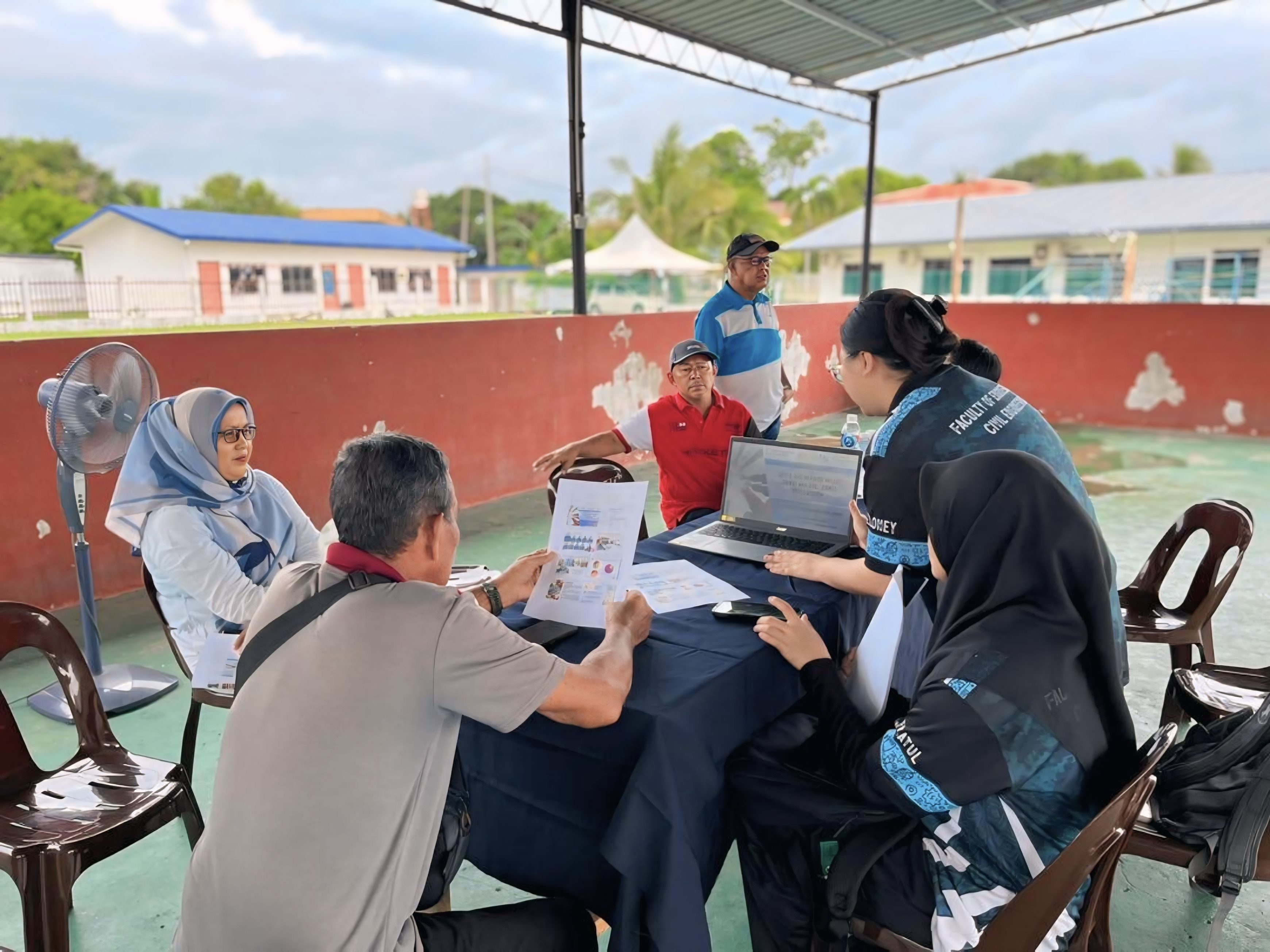
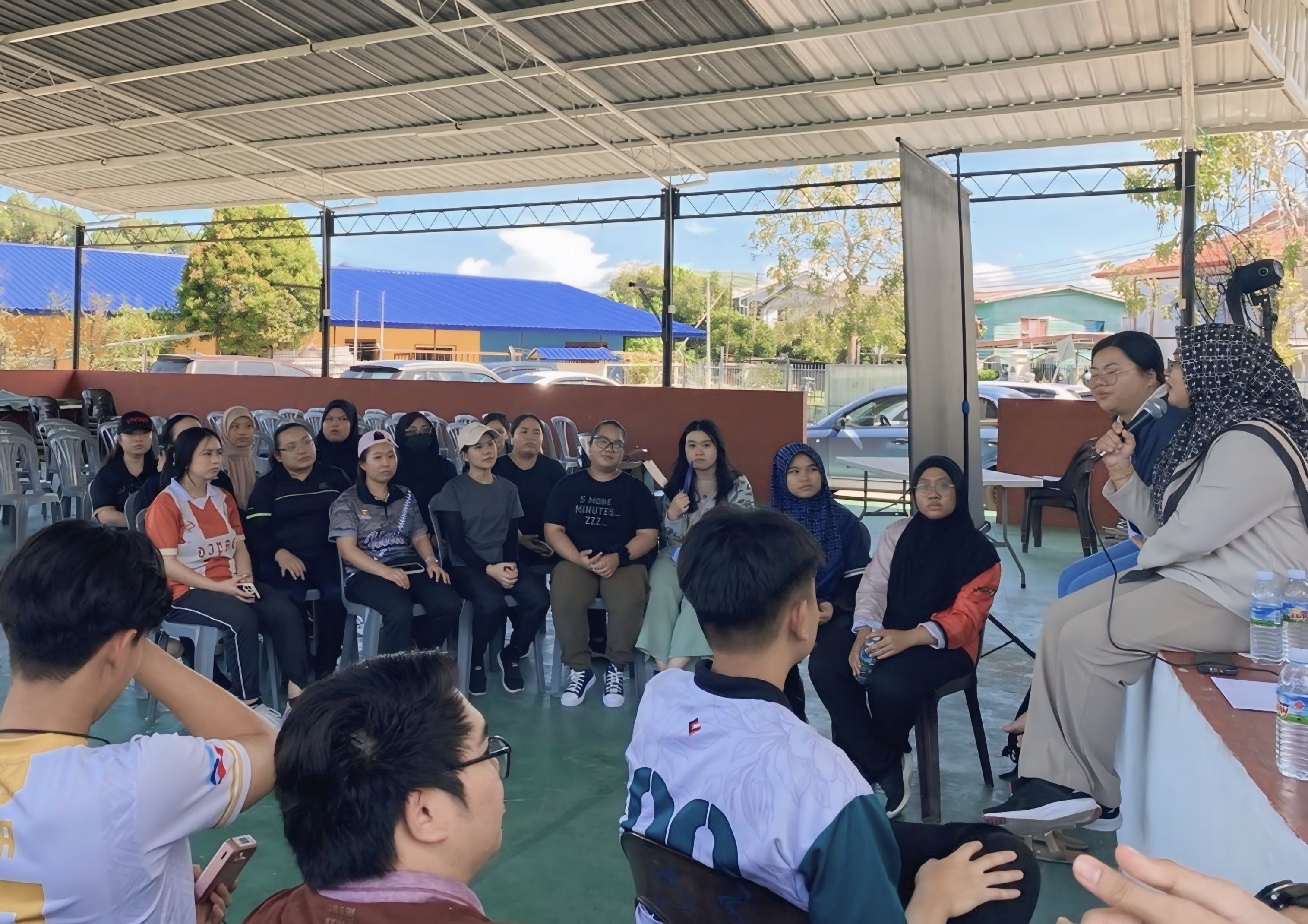
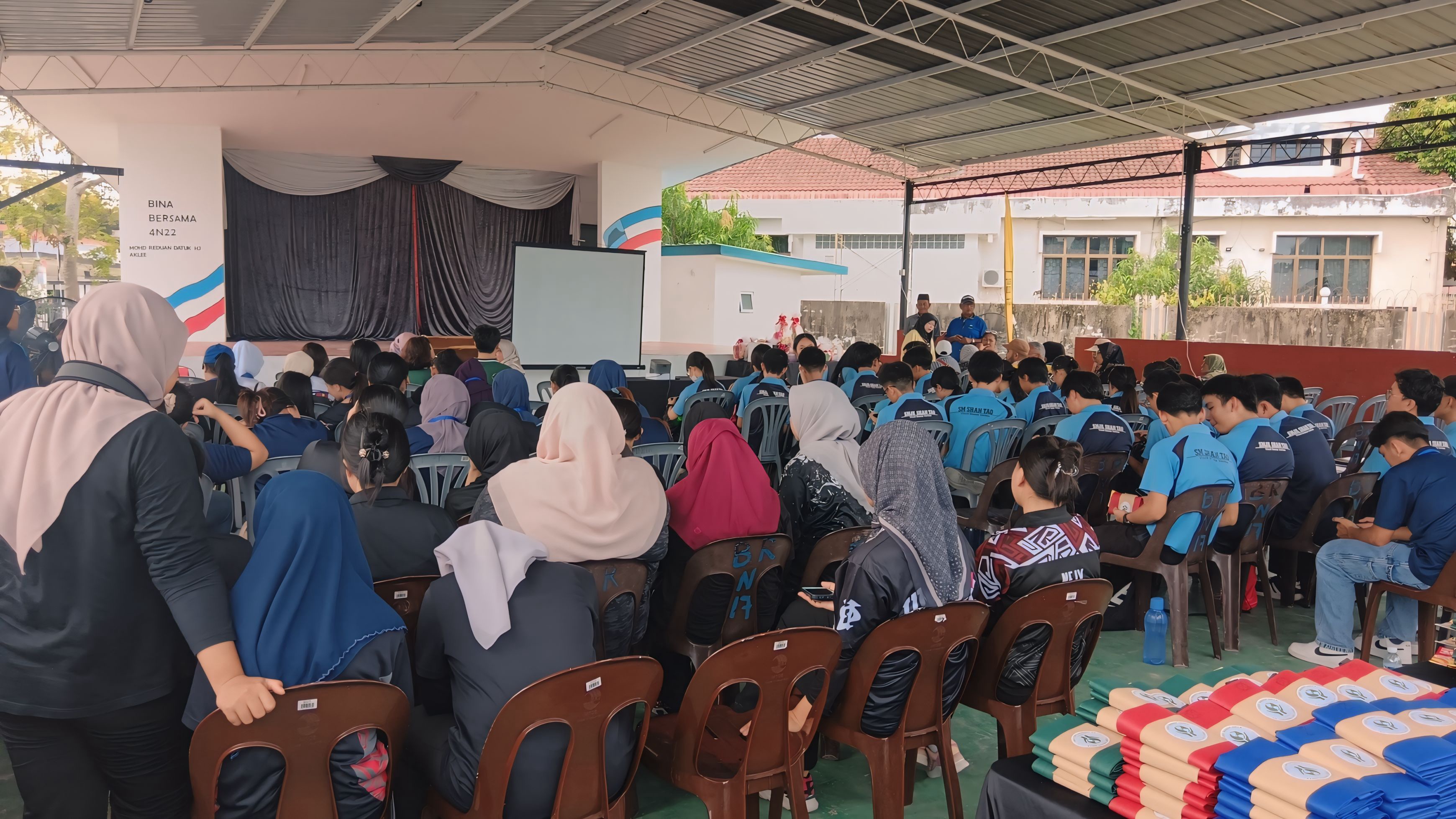
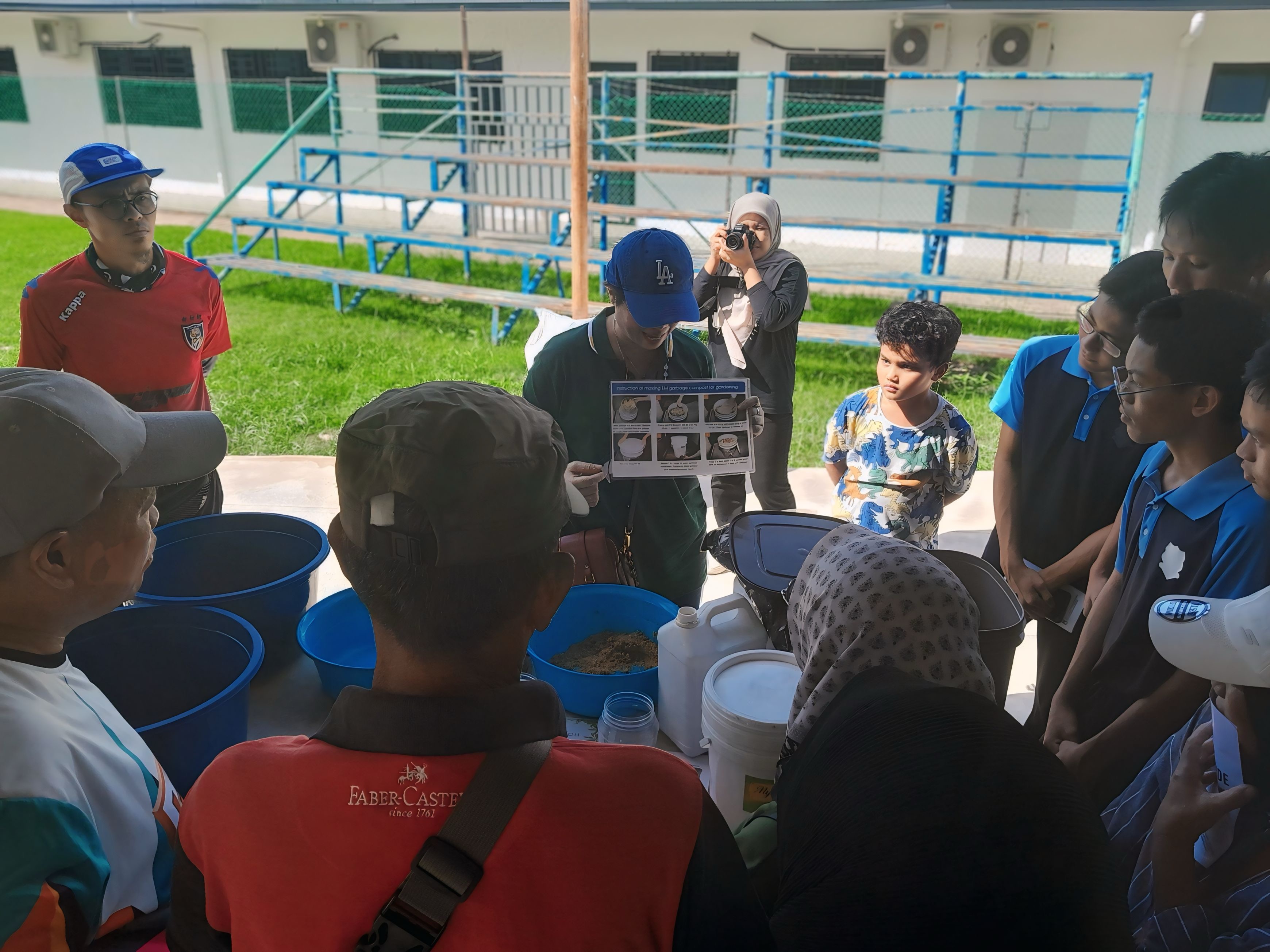
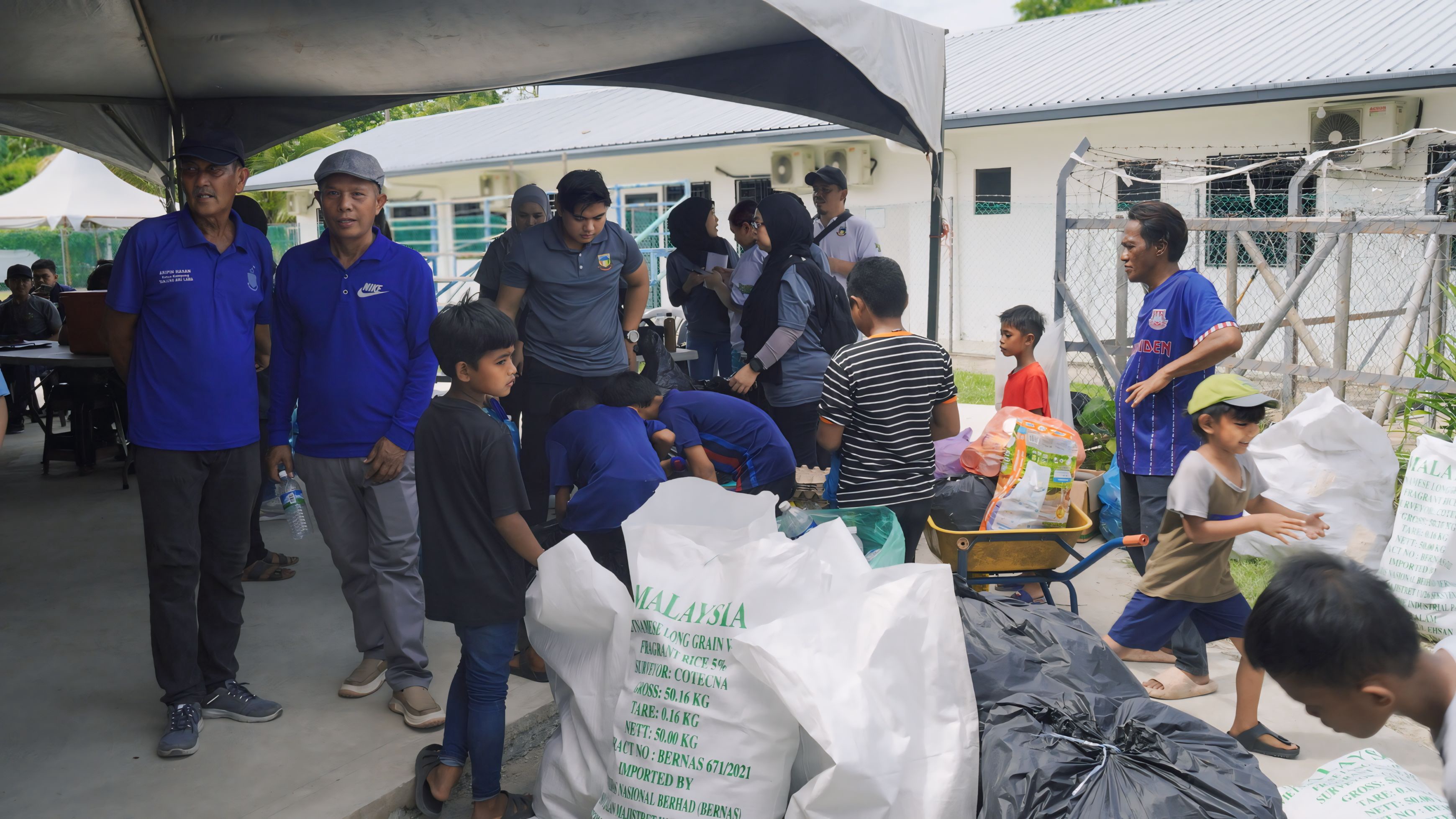
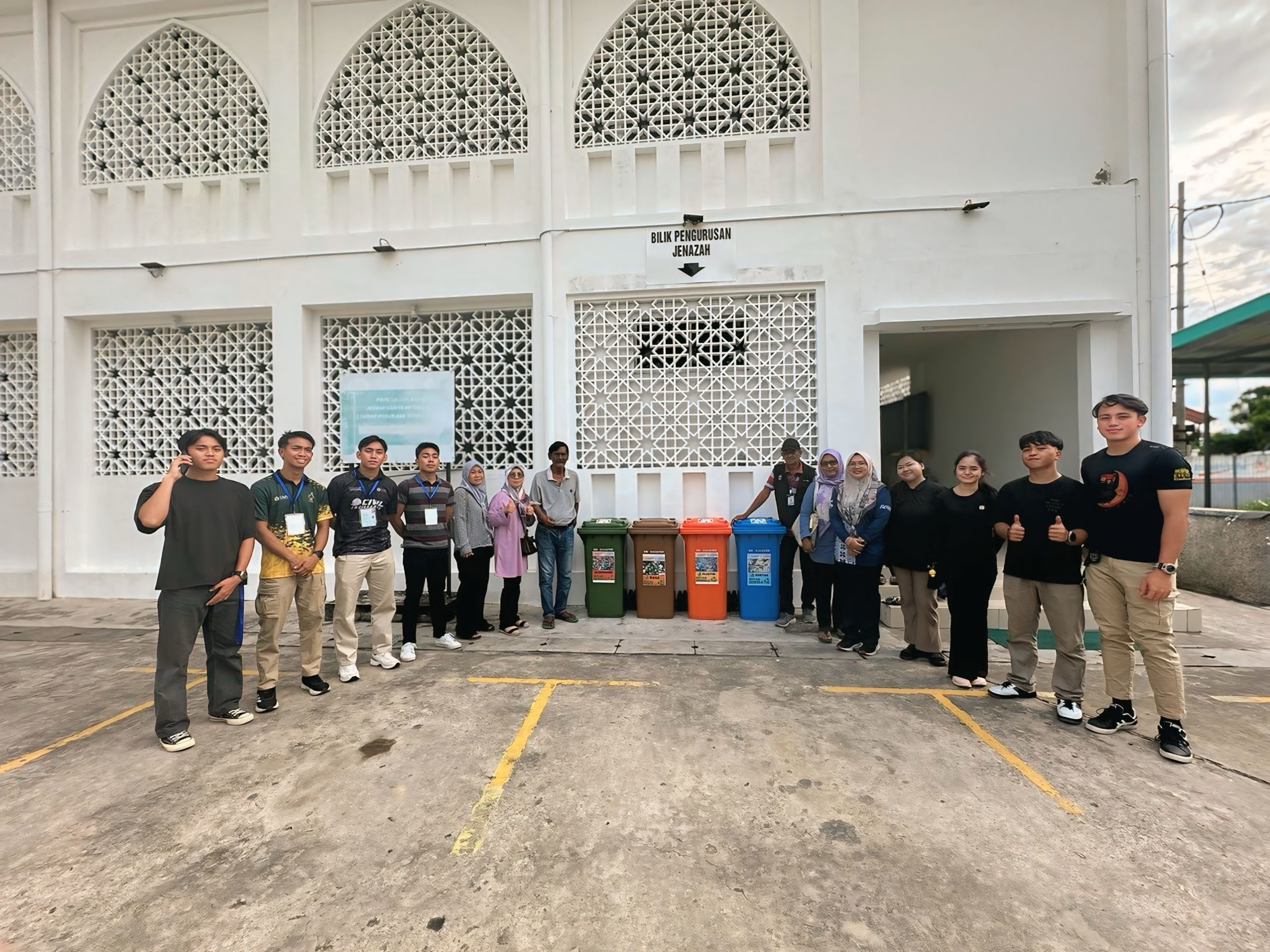
Our project, initially planned for seven days, was shortened to three days, focusing on the weekend to maximize participation without disrupting weekdays. On the first day, we emphasised awareness through talks by the Sabah Environmental Protection Association (SEPA), Trash Hero, and DBKK, followed by an evening DIY activity with "To Earth with Love", where participants learnt bokashi composting, soap-making from used cooking oil, and crafting pencil cases from used plastic bottles. The second day was dedicated to a coastal cleanup, a Waste2Cash initiative where villagers could sell recyclable waste, and two competitions: a floral arrangement contest using recycled materials and a poster colouring contest for kindergarten children. On the third day, we set up recycling bins in two key community locations, the mosque and community hall, to encourage long-term recycling habits among villagers.
This project helped educate the community on adopting a zero-waste lifestyle through awareness talks and hands-on activities. The Waste2Cash programme not only taught proper recycling methods but also provided a source of income for villagers. Setting up recycling bins was a step toward establishing a 3R Hero Centre, where the community can collect, trade, and manage recyclable materials, promoting long-term waste management and sustainability. As the project involved not only villagers but also kindergarten children, secondary school students and university students, they had the opportunity to learn about environmental responsibility from an early age.
d. Were there unanticipated difficulties? Budget constraints?
There were no budget constraints for the planned activities. However, we did face some challenges regarding the budget for food, as we needed to provide meals for participants, especially secondary school students and kindergarten children. Fortunately, we managed to secure sponsorship and received support from UPPM N22 Tanjung Aru, which helped us overcome this issue.
e. Language or cultural barriers?
Initially, language and cultural barriers arose as the project title and presentation slides were in English, making it challenging for the villagers to fully understand the content. To ensure better understanding and engagement, we adapted by translating all materials and conducting the entire activity in Bahasa Malaysia.
f. What worked well? What didn’t work well?
Overall, the project progressed smoothly, with all key partners making commendable efforts to contribute to its success. All planned activities were executed as scheduled, enabling us to remain on track and meet our objectives. However, a notable challenge encountered was the low level of participation from the villagers, which limited the intended impact of the initiative. Moving forward, it will be necessary to explore and implement new strategies to enhance their engagement and involvement.
g. How many people benefited or will benefit from your project? Who are these people?
Approximately 800 villagers living along the coast are expected to benefit from improved environmental safety and cleanliness, resulting in better living conditions and enhanced well-being. In addition, they will have opportunities to generate income through the sale of recyclable waste and used cooking oil. Beyond the local community, the project also benefits Sabah’s tourism industry, which plays a vital role in the state’s economy by creating employment opportunities. Addressing solid waste management issues in Kampung Tanjung Aru Lama will contribute to a cleaner environment, improve public health, attract eco-conscious travellers, and support local businesses in the surrounding area.
h. What is the long-term impact and sustainability of this project? Is there a future for your project?
The long-term impact and sustainability of our zero-waste project are promising due to community engagement and collaboration with key stakeholders. Our participants are not limited to the villagers, we also involved university students, secondary students and even a kindergarten children, fostering early education and awareness about sustainable practices. By targeting various age groups, we aim to create generational changes in waste management behaviours that will persist over time. Furthermore, our partnerships with organisations such as Trash Hero, the Sabah Environmental Protection Association (SEPA), To Earth With Love, UPPM N22 and Dewan Bandaraya Kota Kinabalu (DBKK) are crucial to the project’s sustainability. These partners have expressed ongoing support and are committed to joining us for future activities, providing valuable resources, expertise, and outreach capabilities. With their continuous collaboration, we will expand our initiatives, such as recycling programmes, educational campaigns, and clean-up events, ensuring long-term community involvement and environmental protection.
Section II
-
- How does or will your project contribute to happiness? Short-term? Long-term?
The “Let's Go Waste Wise! Zero Waste, Zero Pollution” project has contributed to happiness in both the short term and the long term. In the short term, this project has improved living conditions in Kampung Tanjung Aru Lama by creating immediate enhancements in cleanliness and waste management, resulting in a healthier and more pleasant environment for residents. It has also fostered a strong sense of connection and collaboration among participants, including university students, secondary school students, kindergarten children, NGOs such as Trash Hero, SEPA, To Earth With Love and government agencies such as DBKK and UPPM N22. Working together towards a shared goal generated a positive and energetic atmosphere, while interactive activities such as the colouring contest for children brought enjoyment and engagement. The immediate visual improvements to the area, although not permanent, gave participants a sense of accomplishment and pride. Additionally, the Waste2Cash programme provided villagers with the opportunity to earn income by selling sorted recyclables, delivering direct financial benefits. This combination of environmental improvement, economic opportunity, and strengthened community bonds has enhanced satisfaction, well-being, and motivation for continued involvement in future initiatives.
In the long term, this project has laid the groundwork for sustainable practices by actively involving a diverse group of participants, including university students, secondary school students, kindergarten children, non-governmental organisations such as Trash Hero, SEPA and To Earth With Love, and government agencies such as DBKK and UPPM N22. While it may be more challenging for older residents to adopt new waste management habits, the younger generation empowered through education and hands-on experience can serve as key drivers of change within the community. By fostering early awareness and responsibility, these younger participants are likely to influence and inspire gradual behavioural shifts across generations.
Although it is unrealistic to expect the area to remain 100% clean immediately after the programme, the initiative has strengthened the foundation for ongoing efforts. Continued collaboration between government bodies, NGOs, and educational institutions will ensure that clean-up activities, awareness campaigns, and environmental education persist over time. These sustained initiatives will not only help reduce waste and pollution but also protect coastal areas and marine ecosystems, enhancing the natural beauty of the region. In the long run, this collective commitment will foster a growing sense of pride and ownership among the residents of Kampung Tanjung Aru Lama, ensuring that environmental stewardship remains a community priority.
-
- Has your project changed the way you think about the world? How has it changed you?
This project has broadened my perspective on the importance of collective action in addressing environmental and community challenges. I have come to understand that meaningful change often begins at the local level, with small yet consistent efforts that, when combined, can lead to significant impact. Working closely with diverse groups ranging from university and secondary school students to NGOs and government agencies has shown me the value of collaboration and the unique strengths each stakeholder brings. It has also deepened my appreciation for the role of education in shaping long-term behavioural change, particularly among younger generations. Personally, this experience has strengthened my sense of responsibility towards environmental stewardship and reinforced my belief that sustained commitment, even in the face of challenges, can inspire others and contribute to a better, more sustainable world.
b. Complete this section with a one to two sentence personal statement, suitable for use as a quotation, addressing how and why this project was valuable and what was the most important thing you learned as a result. (Indicate student’s name for quote attribution.)
“The best part of this project was bringing everyone together for the same goal. Changing habits isn’t easy, but starting with the younger generation and working together can create real, lasting change for the community.” - Meloney
“I saw real happiness when students, villagers, and key partners worked together for the same cause.” - Fatin
“This project was meaningful because it brought people together. I learned that teamwork is the key to making things happen.” - Eizatul
“I realized that caring for the environment starts with us.” - Syafiq
“The most important thing I learned is that protecting nature is really about protecting our own future.” - Hilmi
Section III
Image Gallery
 0 Days Left
59 Supporters
1 Favourited
0 Days Left
59 Supporters
1 Favourited


