

 Support this Project




 0 Days Left
 18 Supporters
 0 Favourited


Many Malaysian youths face challenges in numeracy and financial literacy, affecting their ability to make informed financial decisions. According to Bank Negara Malaysia, three out of four Malaysians do not have at least RM1,000 in emergency savings, highlighting the need for stronger financial education. In addition, many secondary school students perceive mathematics as difficult and fail to see its practical applications in daily life.
To address these issues, Maths Explorace: Empowering Financial Literacy Through Mathematics Modelling introduces an interactive learning approach that combines mathematics with real-life financial situations. Through games, teamwork, and problem-solving activities, students will develop practical financial skills while increasing their interest in mathematics.
Vision
To empower Malaysian youth with strong mathematical thinking and financial literacy, enabling them to become financially responsible individuals and confident decision-makers.
Mission
- To improve financial literacy among secondary school students through interactive mathematics-based learning.
- To demonstrate how mathematics can be applied to real-life financial situations such as budgeting, saving, and financial planning.
- To encourage students to develop critical thinking, teamwork, and problem-solving skills.
- To inspire greater interest in mathematics and STEM education through engaging activities.
Phase 1: School Visit and Preparation
- Visit SMK Bandar Baru Sintok to meet the school management and teachers.
- Introduce the project objectives and discuss the programme schedule.
- Conduct a needs assessment to better understand the students' learning needs.
- Finalise logistics, participant arrangements, and activity planning.
Phase 2: Facilitator Training
- Train 38 undergraduate students from Universiti Utara Malaysia (UUM) on financial literacy, mathematics modelling, facilitation skills, and programme management.
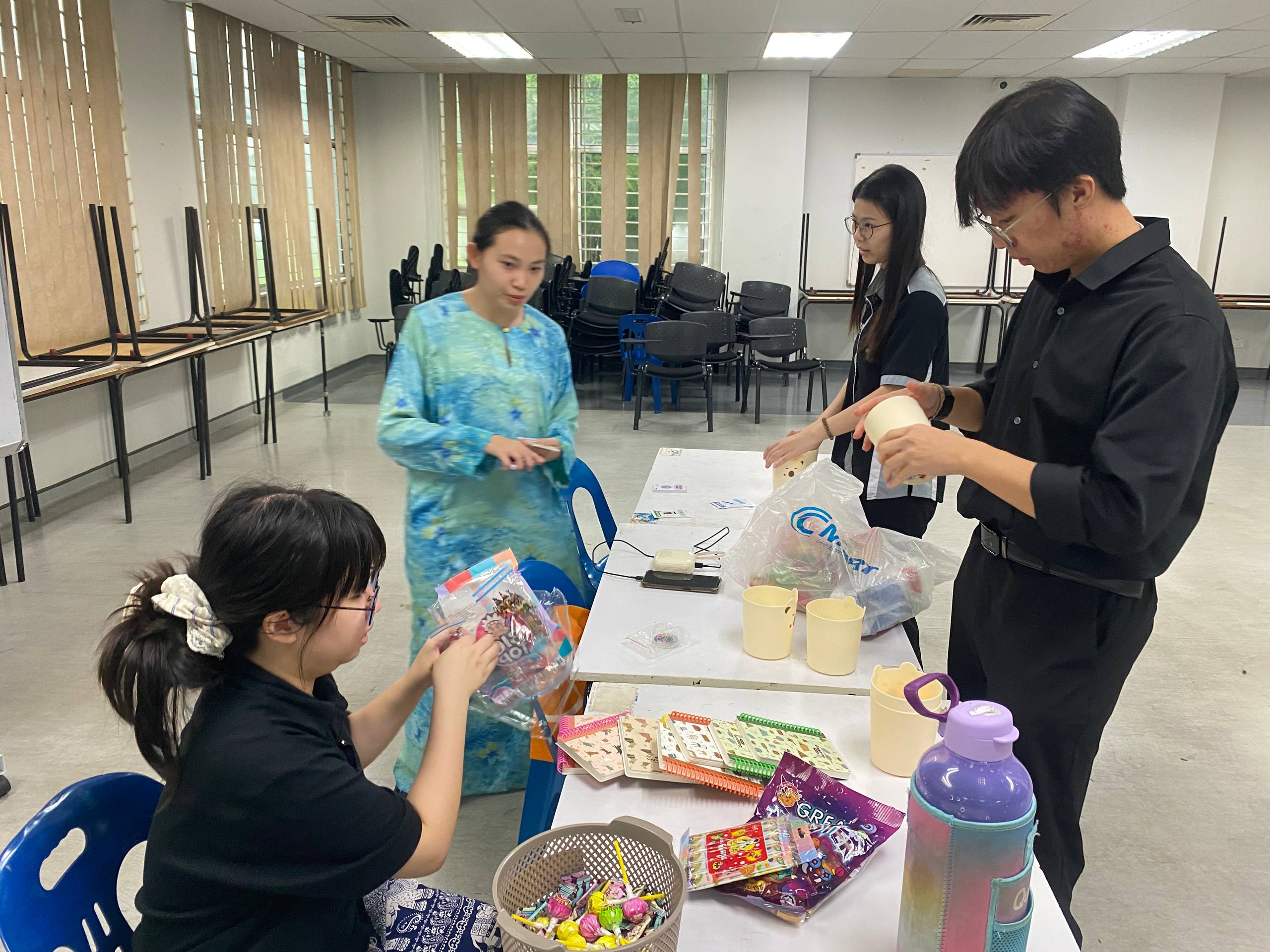
- Prepare learning materials, activity kits, worksheets, and game stations for the Explorace programme.
Phase 3: Maths Explorace Programme
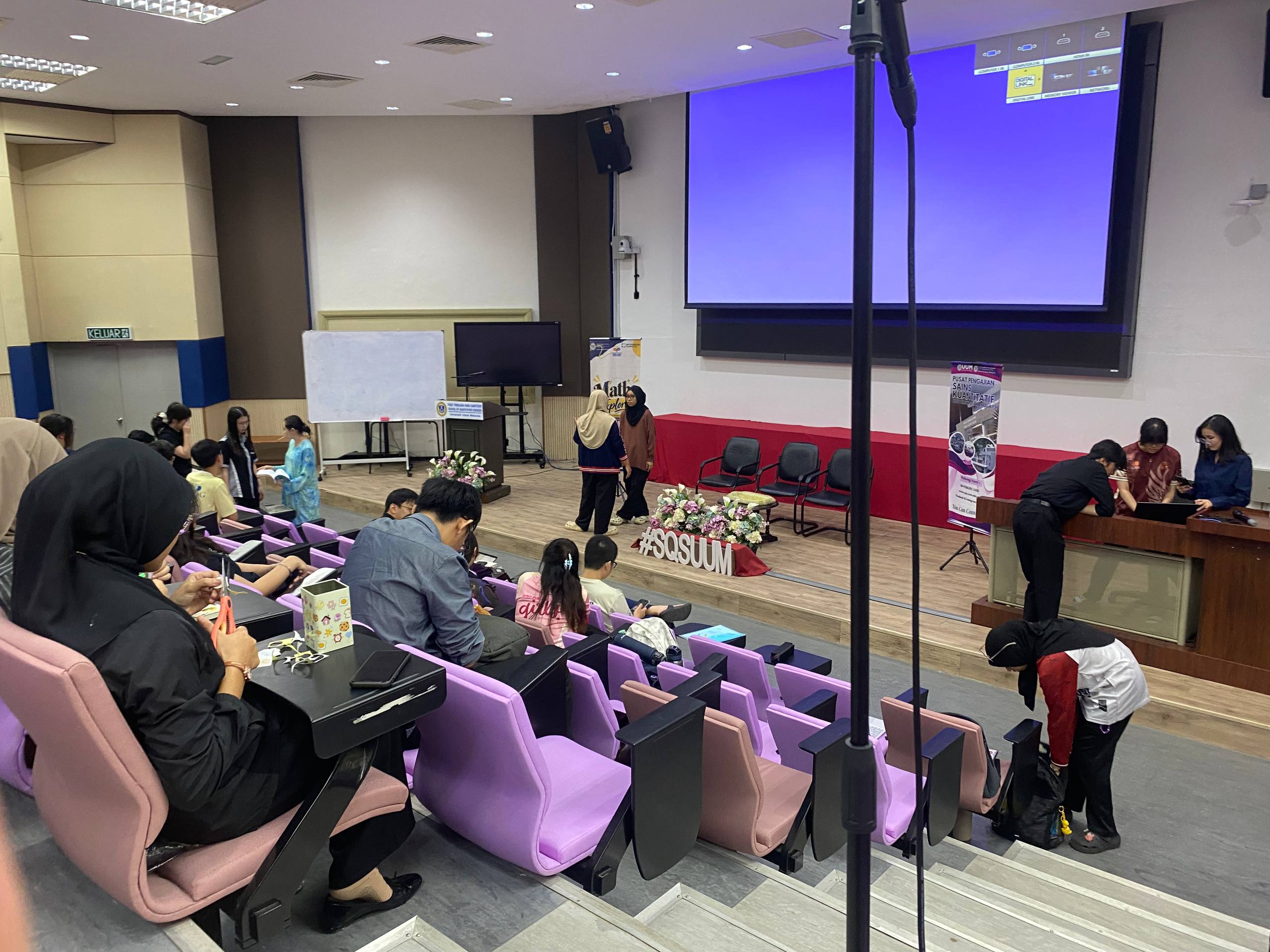
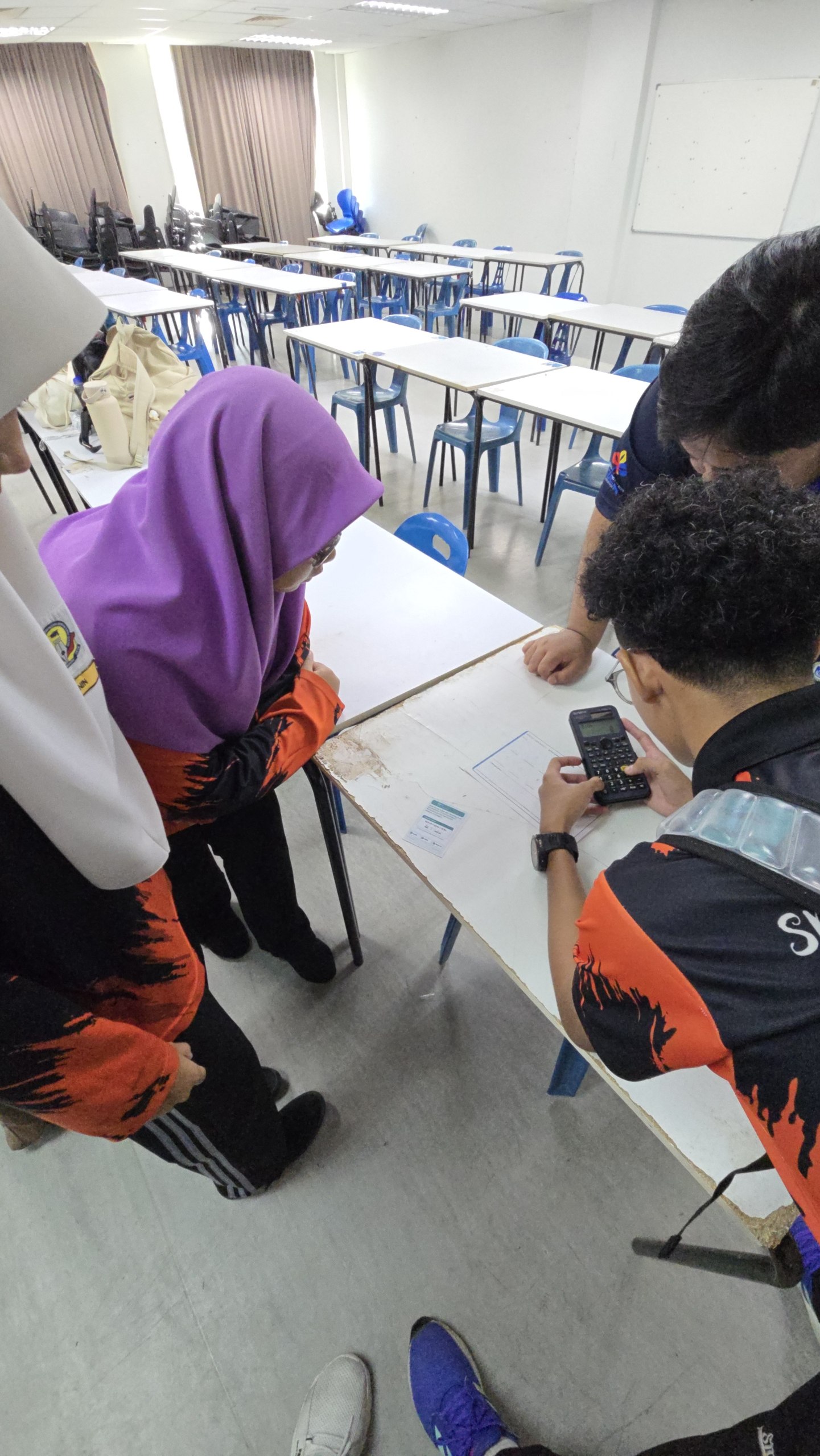
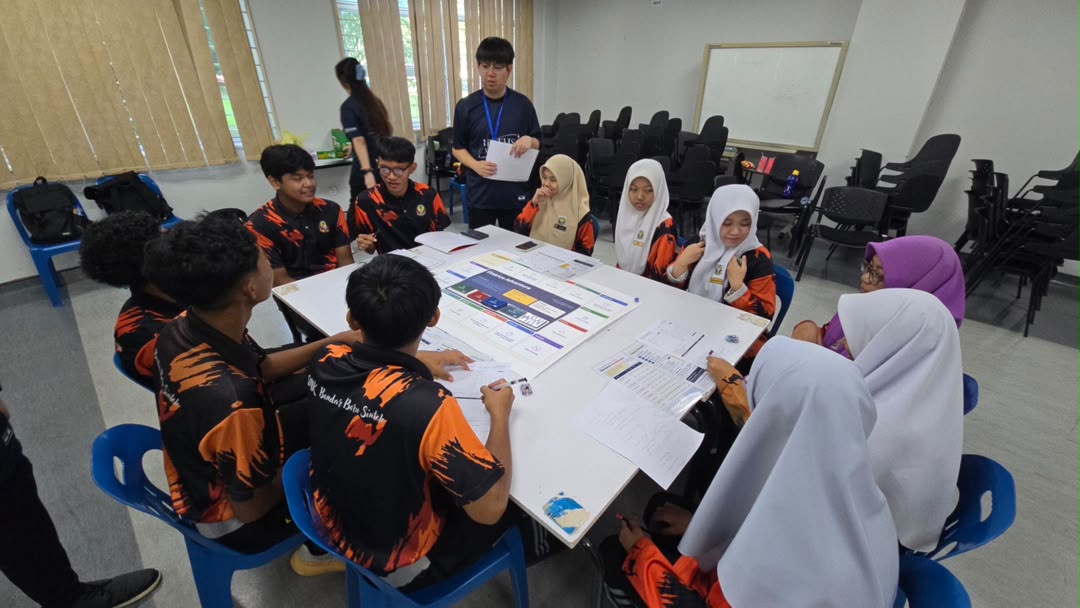
- Organise a one-day Maths Explorace involving 80 Form 4 students from SMK Bandar Baru Sintok.
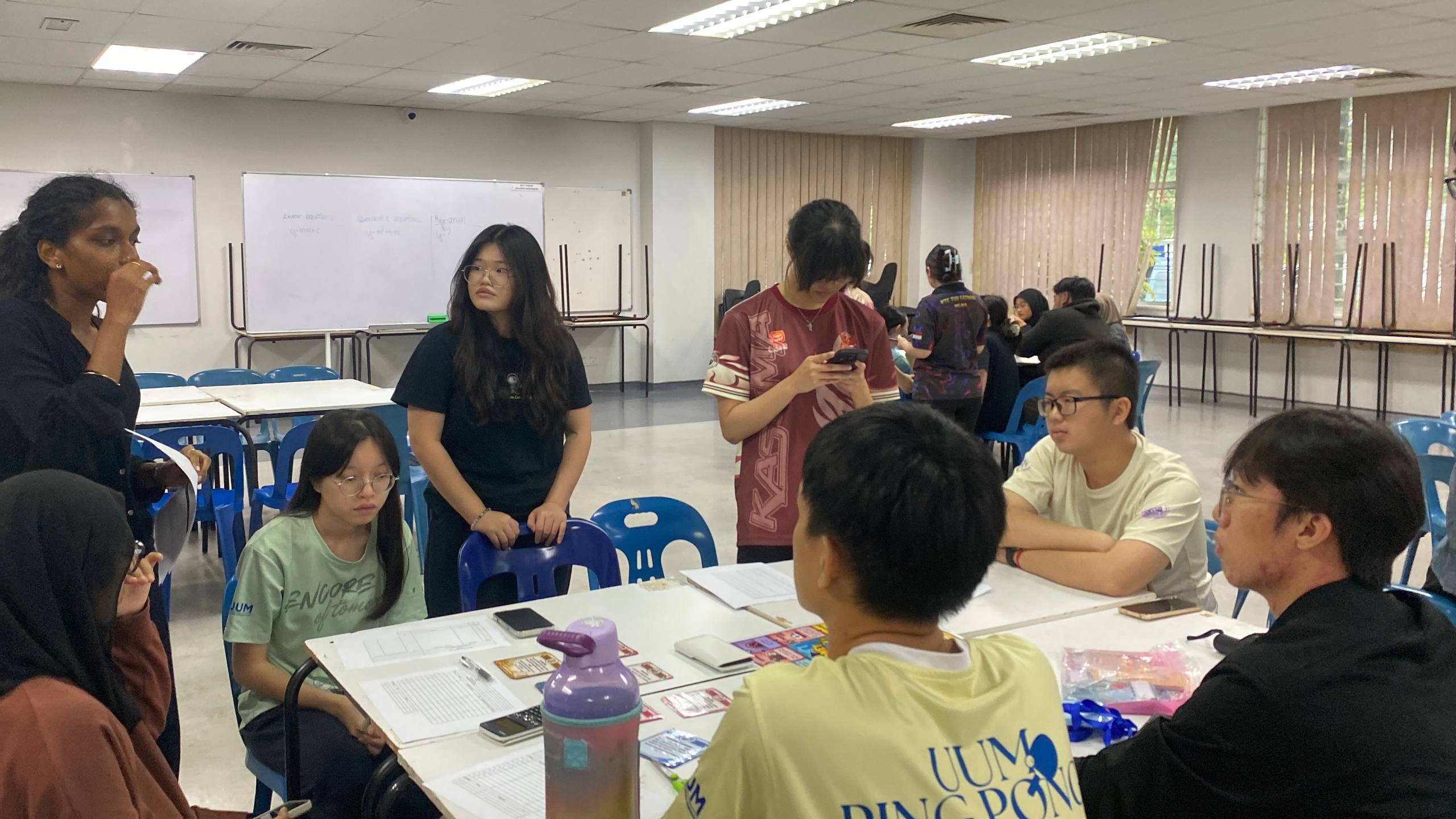
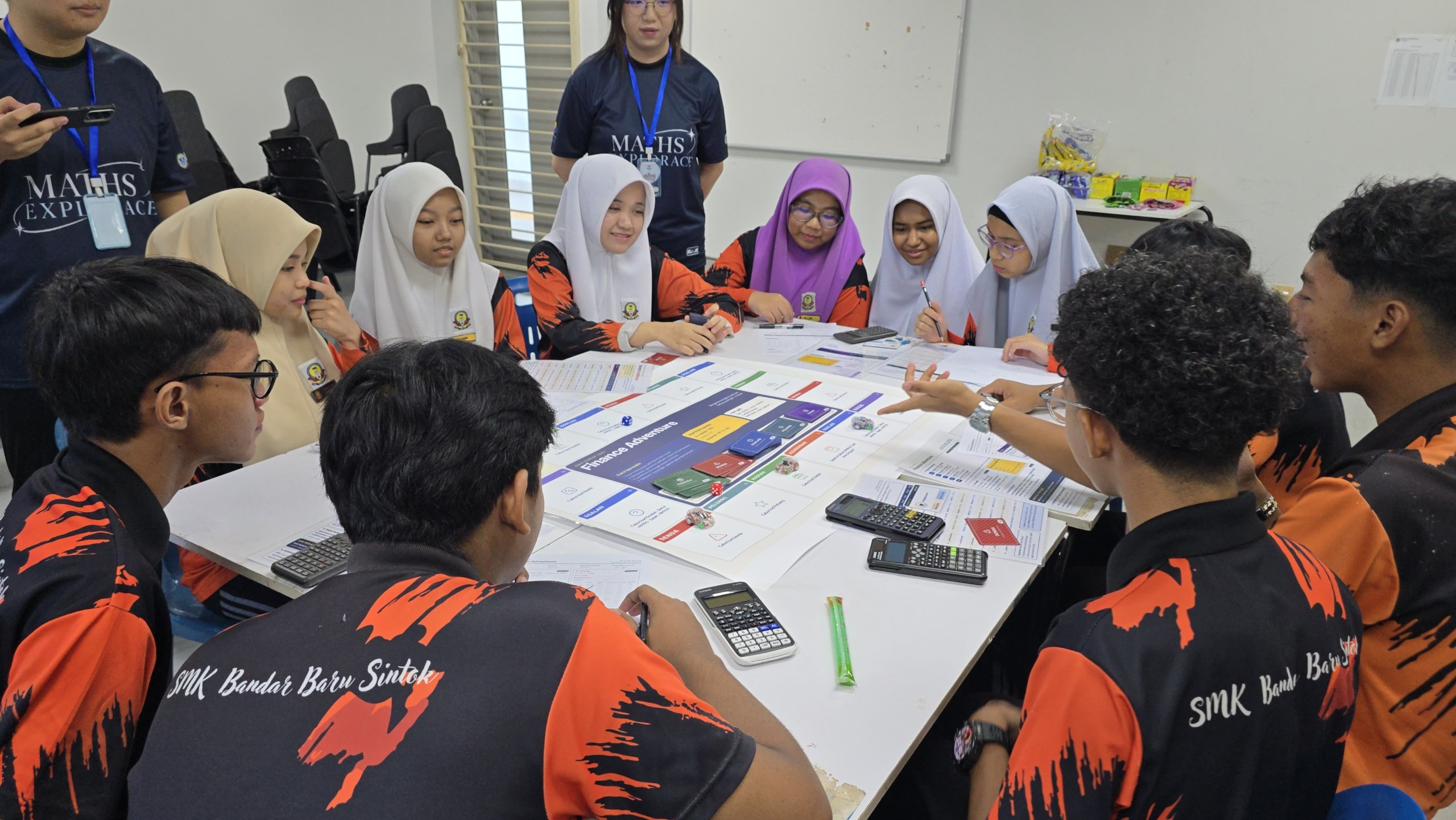
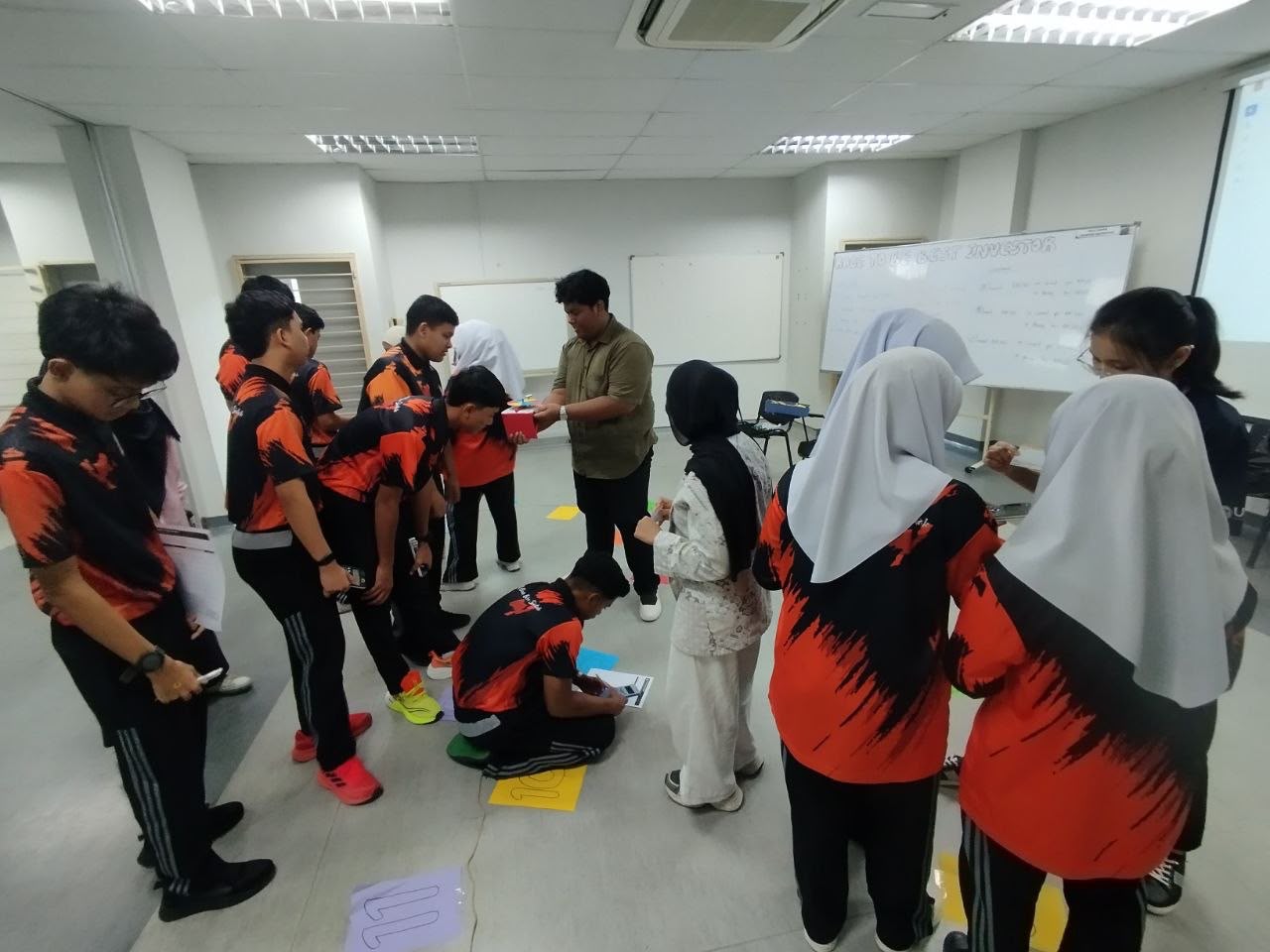
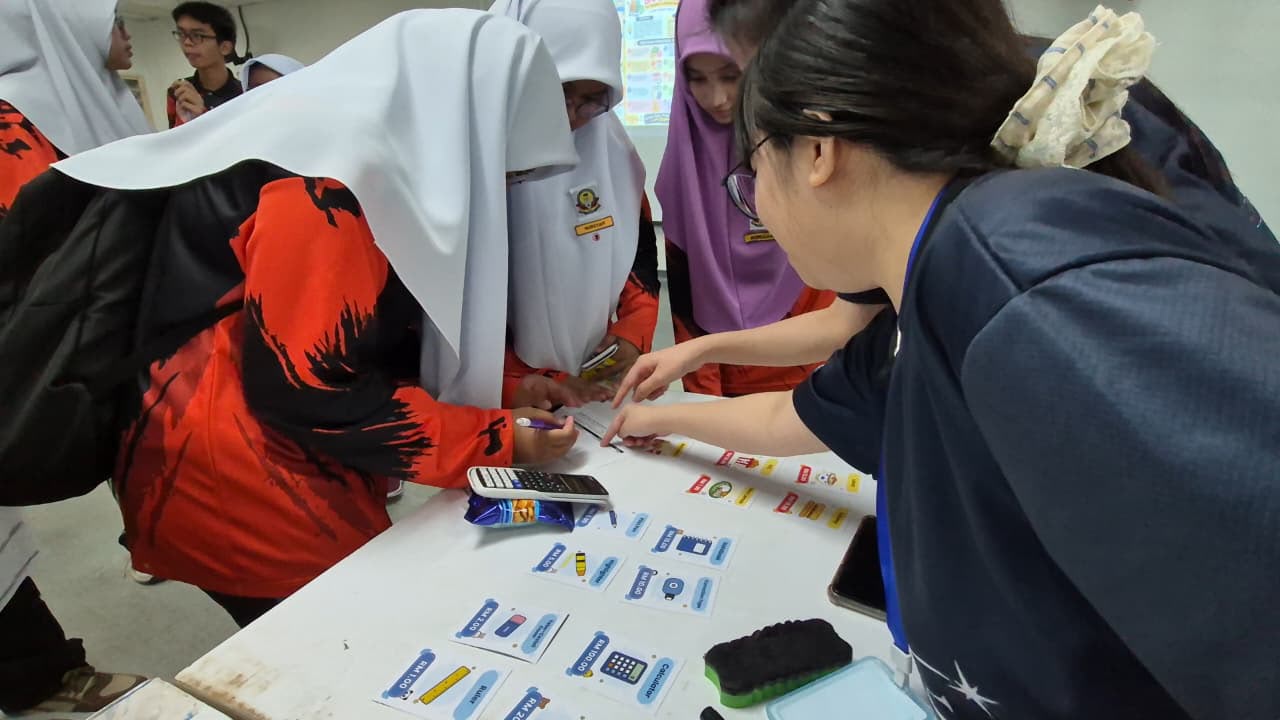
- Students participate in interactive challenge stations covering topics such as budgeting, saving, loans, investments, and financial decision-making.
- Facilitate group discussions and reflection sessions to connect mathematical concepts with real-life financial situations.
Phase 4: Follow-up and Community Engagement
- Conduct a follow-up visit to the school to reinforce the concepts learned and gather feedback from students and teachers.
- Encourage each student to share the knowledge gained with at least two family members or friends through the cascade teaching model.
- Evaluate the programme's effectiveness through questionnaires and reflection activities to measure learning outcomes and identify areas for improvement.
By the end of the project, we aim to achieve the following outcomes:
- Train 38 undergraduate facilitators in financial literacy and mathematics modelling.
- Deliver financial literacy education to 80 Form 4 students through hands-on Explorace activities.
- Reach at least 160 family members and friends through the cascade teaching model.
- Improve students' understanding of budgeting, saving, loans, and financial planning.
- Increase students' confidence in applying mathematics to everyday financial decisions.
- Strengthen teamwork, communication, and problem-solving skills among participants.
- Encourage greater interest in mathematics and STEM-related education.
- Create sustainable educational resources that can be replicated in future community programmes.

Project Information
| University name | : | UNIVERSITY UTARA MALAYSIA |
| Project leader name | : | TEK SHIN MEE |
| Project implementation date | : | 2026-11-03 |
| Location of project held | : | UUM |
| Beneficiary | : | Form 4 Student SMK Bandar Baru Sintok |
| Number of beneficiaries | : | Ninety person |
Section I
Summary of Project Goals (Two Sentences)
Maths Explorace: Empowering Financial Literacy Through Mathematics Modelling was developed to improve financial literacy among secondary school students by connecting mathematical modelling concepts with real-life financial decision-making. The project also aimed to increase students' interest in STEM while providing university students with opportunities to apply academic knowledge through community-based learning under the SULAM framework.
Did Other Fund-Raising Efforts Contribute to Your Project? What Were They?
Yes. The project received funding through the Projects for Happiness 2.0 initiative, which provided RM3,500 from the Malaysian Social Entrepreneurs Foundation (MSEF) and RM550 from My Starfish Foundation (MSF). Additional support was provided through the Universiti Utara Malaysia (UUM) SULAM allocation amounting to RM700 and personal donation of RM800 for t-shirt.
Provide Details About How Your Project Actually Worked.
The project was implemented through the Service-Learning Malaysia University for Society (SULAM) framework under the SQQMK3024 Mathematics Modelling course at Universiti Utara Malaysia. A total of 33 undergraduate students planned, designed, and facilitated a series of interactive learning activities for 90 Form 4 students from SMK Bandar Baru Sintok. The programme also involved 19 mobility students from Universitas Syiah Kuala (USK), Indonesia, who participated in the activities and contributed to intercultural learning and engagement.
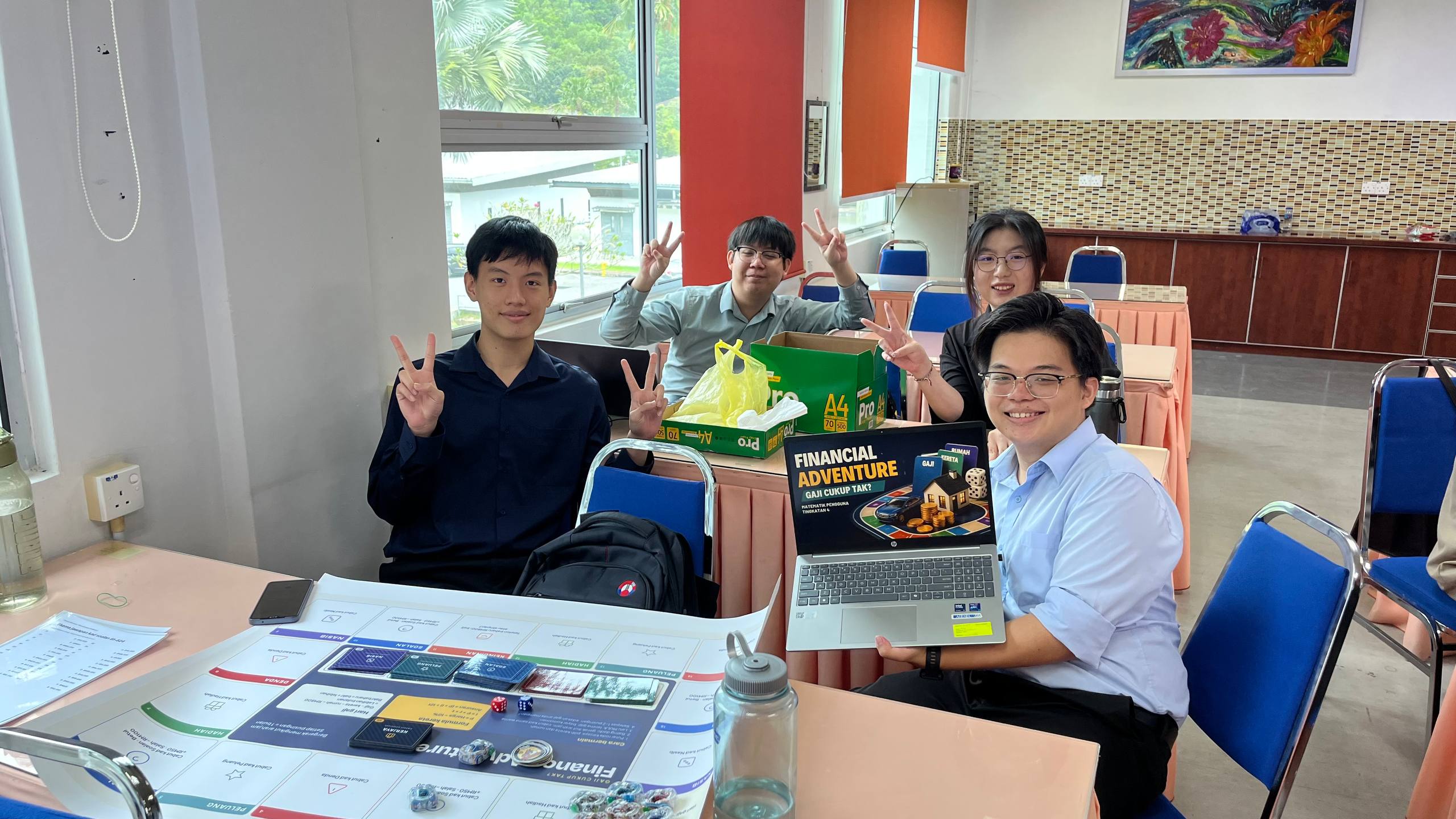
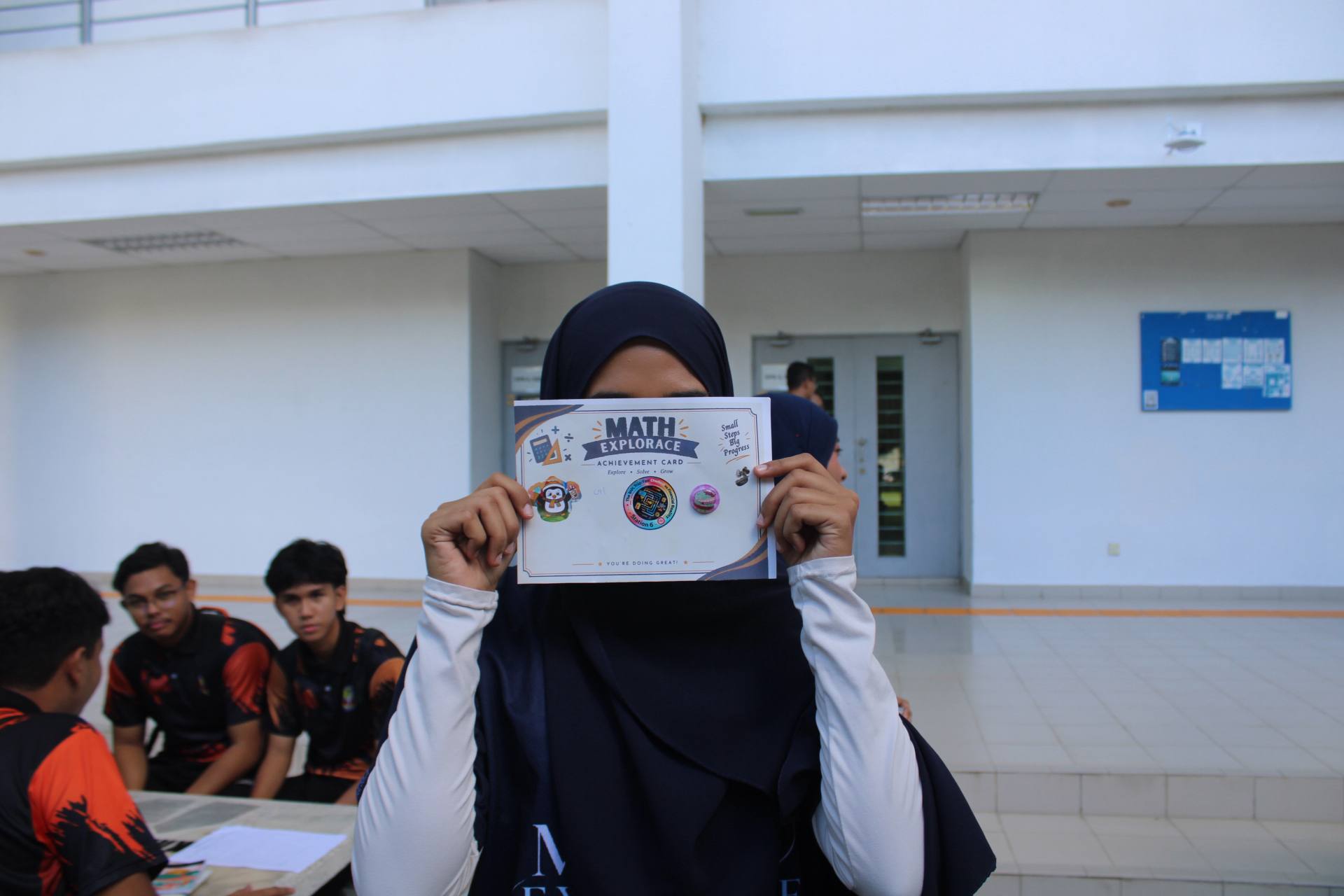
The main activity was a financial literacy explorace consisting of seven interactive stations designed to link mathematics with real-world financial decision-making:
- Monopoly Financial Challenge
- Financial Literacy Board Game
- Snake Board Financial Journey
- Financial UNO Challenge
- Financial Adventure
- BNPL Trap Challenge
- Maths Explorace Challenge
The station activities were complemented by a financial literacy sharing session conducted by Affin Bank Berhad, a role-play presentation related to financial awareness, a digital game session using the project website, and a guided campus tour around Universiti Utara Malaysia. These activities enabled participants to understand how mathematics can be used as a practical tool for everyday financial decisions.
A distinctive feature of the project was the Cascade Teaching Model. The 38 university students first transferred financial literacy knowledge to the 90 secondary school students. Subsequently, each participating secondary school student was encouraged to share the acquired knowledge and financial practices with at least two family members or friends. This multiplier effect was designed to embed financial literacy practices within households and extend the project's impact beyond the immediate participants.
Were There Unanticipated Difficulties? Budget Constraints?
One challenge encountered during implementation was the higher-than-expected number of participants. The actual number of school participants exceeded the initial target, and the involvement of mobility students from Universitas Syiah Kuala increased food, logistics, and operational requirements.
Another challenge involved programme evaluation. At the time of preparing this report, the post-survey had not yet been fully distributed and completed by all participants. Therefore, the current assessment is based primarily on direct observations, participant engagement during activities, verbal feedback, facilitator reflections, and sharing sessions conducted throughout the programme.
Language or Cultural Barriers?
No significant language or cultural barriers were encountered. The programme was conducted mainly in Bahasa Malaysia, allowing effective participation among school students. The involvement of mobility students from Indonesia created opportunities for cross-cultural interaction and knowledge sharing, enriching the learning experience for all participants.
What Worked Well? What Didn't Work Well?
What Worked Well
- The game-based learning approach successfully engaged participants throughout the programme.
- Financial literacy concepts became easier to understand when linked to relatable real-life situations.
- The combination of physical games, digital learning activities, role-play, and industry sharing sessions created a dynamic learning experience.
- The participation of UUM students, school students, mobility students, and industry representatives encouraged collaboration and peer learning.
- The Cascade Teaching Model provided a mechanism for extending project impact beyond direct participants.
What Didn't Work Well
- Time limitations reduced opportunities for more extensive reflection at several activity stations.
- The larger-than-expected number of participants created additional logistical and budgeting challenges.
- Quantitative impact analysis is still incomplete because post-survey data collection is ongoing.
How Many People Benefited or Will Benefit From Your Project? Who Are These People?
The project directly benefited:
- 90 Form 4 students from SMK Bandar Baru Sintok.
- 33 undergraduate students from the SQQMK3024 Mathematics Modelling course at Universiti Utara Malaysia.
- 19 mobility students from Universitas Syiah Kuala (USK), Indonesia.
- Teachers, facilitators, invited guests, industry representatives, and collaborating partners involved in the programme.
Through the Cascade Teaching Model, each participating secondary school student was encouraged to share the acquired financial literacy knowledge with at least two family members or friends. Based on this implementation model, approximately 180 additional family members and friends may benefit from the knowledge transfer.
Consequently, the project is estimated to have reached approximately 322 beneficiaries, consisting of 90 school students, 38 university students, 19 mobility students, and about 180 community members reached through cascade teaching.
What Is the Long-Term Impact and Sustainability of This Project? Is There a Future for This Project?
Yes. The project demonstrates strong sustainability because it has been continuously developed across three academic cohorts. The initiative was first introduced by the A251 cohort, further improved by the A252 cohort, and subsequently expanded and successfully implemented by the A261 cohort. This continuity enabled students to refine the programme design, improve learning materials, and strengthen community engagement strategies over time.
The project has generated sustainable educational resources, including financial literacy games, learning modules, role-play materials, activity guidelines, and a dedicated learning website. These resources can continue to be used in future SULAM programmes, STEM outreach initiatives, and financial literacy projects involving schools and local communities.
More importantly, the Cascade Teaching Model promotes long-term community impact by encouraging participants to transfer knowledge to others. As financial literacy practices are shared among households and social networks, the project contributes to the development of financially responsible communities and strengthens awareness of how mathematics can be applied in everyday life. The established collaboration between Universiti Utara Malaysia, SMK Bandar Baru Sintok, Affin Bank Berhad, and other stakeholders also creates opportunities for future programme expansion and sustainability.
Section II
SECTION II
How Does or Will Your Project Contribute to Happiness? Short-Term? Long-Term?
In the short term, the project contributed to happiness by creating an engaging and enjoyable learning environment where participants learned financial literacy through games, collaboration, exploration, and real-life problem-solving activities. Instead of receiving information through conventional lectures, students actively participated in hands-on challenges that made learning fun, meaningful, and memorable.
The programme also fostered social interaction between university students, school students, mobility students, and industry representatives. These interactions built confidence, encouraged teamwork, and created positive learning experiences that participants associated with mathematics and financial education.
In the long term, the project contributes to happiness by improving financial well-being. Students who develop stronger financial literacy skills are better prepared to manage money responsibly, make informed financial decisions, avoid unnecessary debt, and plan for future goals. Such knowledge can reduce financial stress and improve quality of life over time.
Furthermore, by encouraging interest in STEM and demonstrating the practical relevance of mathematics, the project helps students make more informed educational and career decisions. Through the Cascade Teaching Model, these benefits extend beyond individual participants and contribute to stronger and more financially resilient communities.
Has Your Project Changed the Way You Think About the World? How Has It Changed You?
This project reinforced our understanding that education can be a powerful tool for addressing real societal challenges. Through direct engagement with students and community members, we learned that issues such as financial literacy can be addressed more effectively when learning is interactive, relevant, and connected to everyday experiences.
The project also changed our perspective on the role of mathematics. Rather than being viewed solely as an academic subject, mathematics emerged as a practical tool that can help individuals make better decisions and improve their financial well-being. Working with participants from different backgrounds strengthened our communication, leadership, teamwork, creativity, and problem-solving skills while also increasing our sense of social responsibility.
Most importantly, the project demonstrated that meaningful and sustainable impact can be achieved when knowledge is shared beyond the classroom and transferred throughout the community.
Personal Statement (Quotation)
“This project helped me realise that mathematics has the power to create meaningful change when applied to real-life challenges. The most important lesson I learned is that knowledge becomes truly valuable when it is shared with others and used to empower communities.”
– Tek Shin Mee, Project Director
Section III
Video
Image Gallery
 0 Days Left
18 Supporters
0 Favourited


