My Starfish Foundation
Delivering Happiness Through Youth-led Community Actions
Project for Happiness 2.0

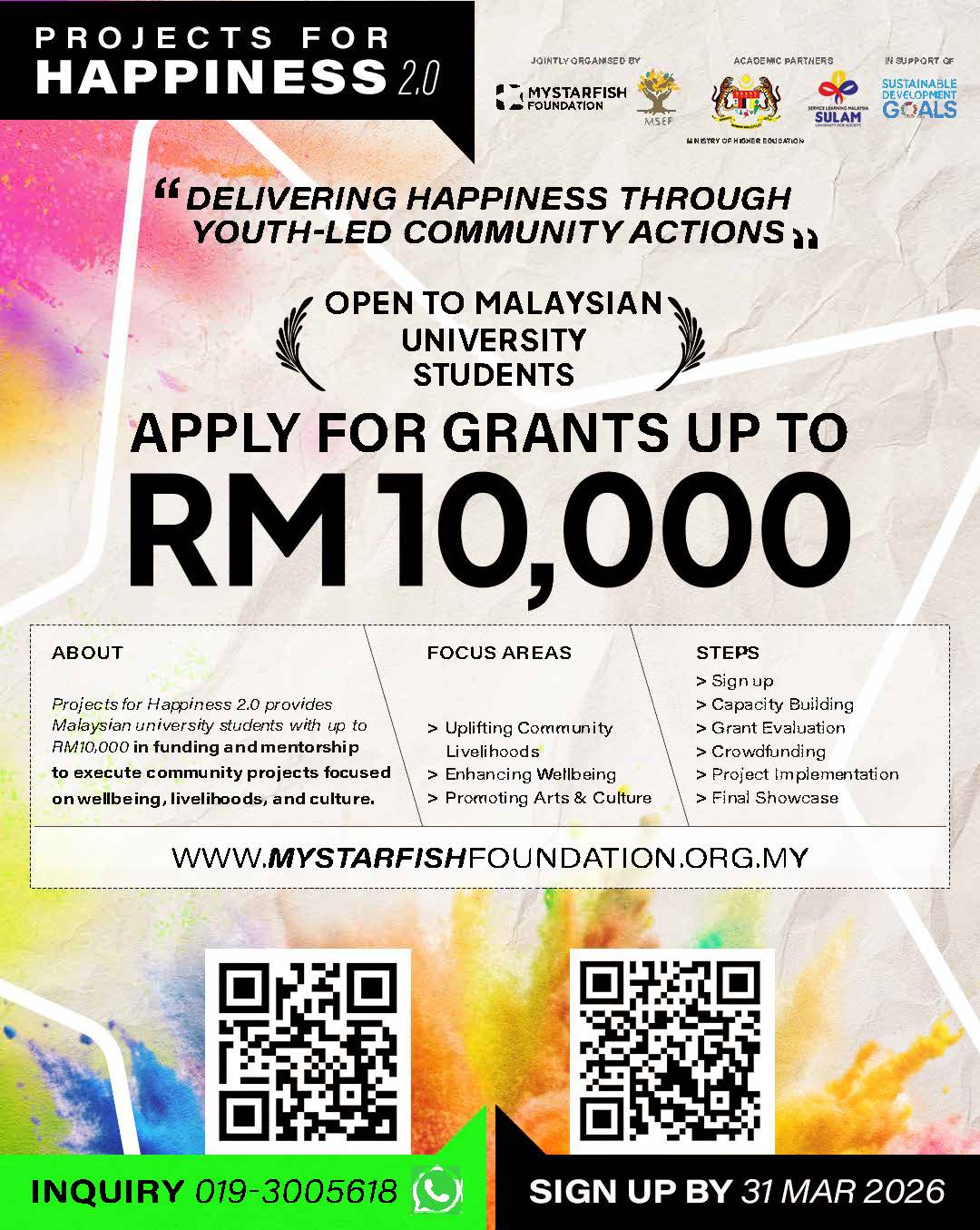
Projects for Happiness 2.0 is a collaborative initiative jointly implemented by My Starfish Foundation (MSF) and the Malaysian Social Entrepreneurs Foundation (MSEF), with SULAM under the Ministry of Higher Education serving as the academic partner.

Established in 2014, Projects for Happiness empowers university students to design and lead impactful community projects across Malaysia. In its 2.0 edition, the programme focuses on Uplifting Community Livelihoods, Enhancing Wellbeing, and Promoting Arts & Culture, with the aim of creating sustainable and meaningful social impact.

About Us
Project For Happiness

Projects for Happiness 2.0 empowers Malaysian undergraduates to develop grassroots programs nationwide. We aim to promote sustainable community initiatives nationwide, using innovative approaches to support socio-economically disadvantaged individuals. We believe everyone can contribute to society in their own way.

Objectives

  • Cultivate KINDNESS and spirit of ‘giving back’ to the community.
  • Grow students’ leadership, empathy and problem-solving skills.
  • Deliver happiness to the community.
Application
Who Can Apply?

Project for Happiness 2.0 is open to all Malaysian undergraduates.

Theme

“Delivering Happiness Through Youth-led Community Action”

Focus Areas

  • Uplifting Community Livelihoods
  • Enhancing Wellbeing
  • Promoting Arts & Culture
Project Timeline
Project for Happiness 2.0 Timeline

From launch to final showcase, follow the step-by-step journey that guides students in turning ideas into impactful community projects.

Jan - Mac 2026
Launch & Briefing
Apr 2026
Workshops & Proposals Submission
May - Jun 2026
Grant Evaluation & Crowdfunding
Jul - Oct 2026
Implement Project
Nov 2026
Projects For Happiness Final Showcase
Programme Timeline
Detailed Participation Guidelines
January - March 2026
Awareness & Recruitment
  • Attend PFH Application Briefings (online/offline).
  • Learn about programme themes, evaluation criteria, and important dates.
March - April 2026
Capacity-Building & Proposal Development
Applicants to attend the PFH-designed workshops topics:
  • Ideating & building impactful project
  • Proposal writing & budgeting
  • Fundraising strategies
  • Presentation & pitching skills
April 2026
Proposal Submission
  • Submit a complete Project Proposal & Budget via the PFH official website.
May - June 2026
Grant Evaluation
  • 10-minute presentation in English, supported by visuals and a short video.
  • Judges provide real-time feedback and immediate decisions.
  • Successful teams are awarded grants and receive a crowdfunding target.
  • Crowdfund x% of total project budget, involving at least 10 individual supporters.
Registration & Volunteer Requirement
  • Register the Project on the official MIVA website.
  • Register as a volunteer under MIVA-PFH Volunteer Actions to earn MIVA star coins*.
  • Project Grants disburse to student’s university bursary.
July - October 2026
Project Implementation
  • Execute the approved project within the designated timeline.
  • Submit periodic progress updates as required.
November 2026
Reporting & Final Showcase
At the end of the project cycle, teams must:
  • Submit a completion report
  • Prepare a 3-minute outcome video
  • Set up a project booth at the PFH Final Exhibition
  • Deliver a 10-minute final presentation
MSEF-MIVA Star Coins
How MSEF- MIVA Star Coins Work

Earning Star Coins

All registered MSEF MIVA volunteers earn 10 Star Coins (SC) for every hour of verified service. Currently, 10 SC is equivalent to approximately RM5–RM10 in value. Star Coins have a validity period of 1 year and can be accumulated over multiple service activities. Volunteers must accumulate a minimum of 500 SC (around 50 hours of service) before the coins can be redeemed, donated, or used.

1. Team Registration

Every PFH team member must register as a MSEF MIVA volunteer (registration is free).
The Project Lead may also register their Projects for Happiness initiative as an official MSEF MIVA Partner Project.

2. Earn Star Coins Through Projects for Happiness

When a PFH project conducts any community activity, it should be posted on the MSEF MIVA platform.
Team members then sign up for the posted activity as volunteers.
Upon completing the activity, each participant earns Star Coins based on the number of validated service hours.

3. Using Star Coins for Project Continuity

After completing the PFH cycle, if the team wishes to continue their project beyond the first year, they may:

  • Apply to MSEF MIVA for continuation funding, and
  • Submit a proposal outlining their expansion plan and projected community impact.

Accumulated Star Coins can strengthen the team’s application, demonstrating sustained service commitment and volunteer engagement.
Project for Happiness 2.0
Delivery Happiness Through Youth-led Community Actions
PFH 2.0 Objectives
To cultivate KINDNESS and spirit of ‘giving back’ to the community.
Grow students’ leadership, empathy and problem-solving skills.
Deliver happiness to the community
Key Objectives Description Relevant SDGs & Topics
Uplift Community Livelihoods Through Meaningful Impact
  • Support initiatives that strengthen community resilience, social inclusion, and economic empowerment.
  • Encourage continuable, measurable change that continues beyond the project period.
  • Foster long-term collaboration between students, communities, NGOs, and institutions.
  • SDG 1 – No Poverty

    Community empowerment, support for vulnerable groups, socioeconomic inclusion.

  • SDG 2 – Zero Hunger

    Food security programs, urban farming, community food banks.

  • SDG 4 – Quality Education

    Educational tutoring, digital literacy, lifelong learning, youth empowerment.

  • SDG 5 – Gender Equality

    Women empowerment, safety initiatives, gender-inclusive projects.

  • SDG 8 – Decent Work & Economic Growth

    Skills development, micro-entrepreneurship support, livelihood enhancement.

  • SDG 10 – Reduced Inequalities

    Serving marginalized communities, inclusive project design.

  • SDG 11 – Sustainable Cities & Communities

    Community upgrading, safety, accessibility, community resilience.

Enhance Wellbeing for Individuals and Communities
  • Promote mental, emotional, and physical wellbeing through evidence-based interventions.
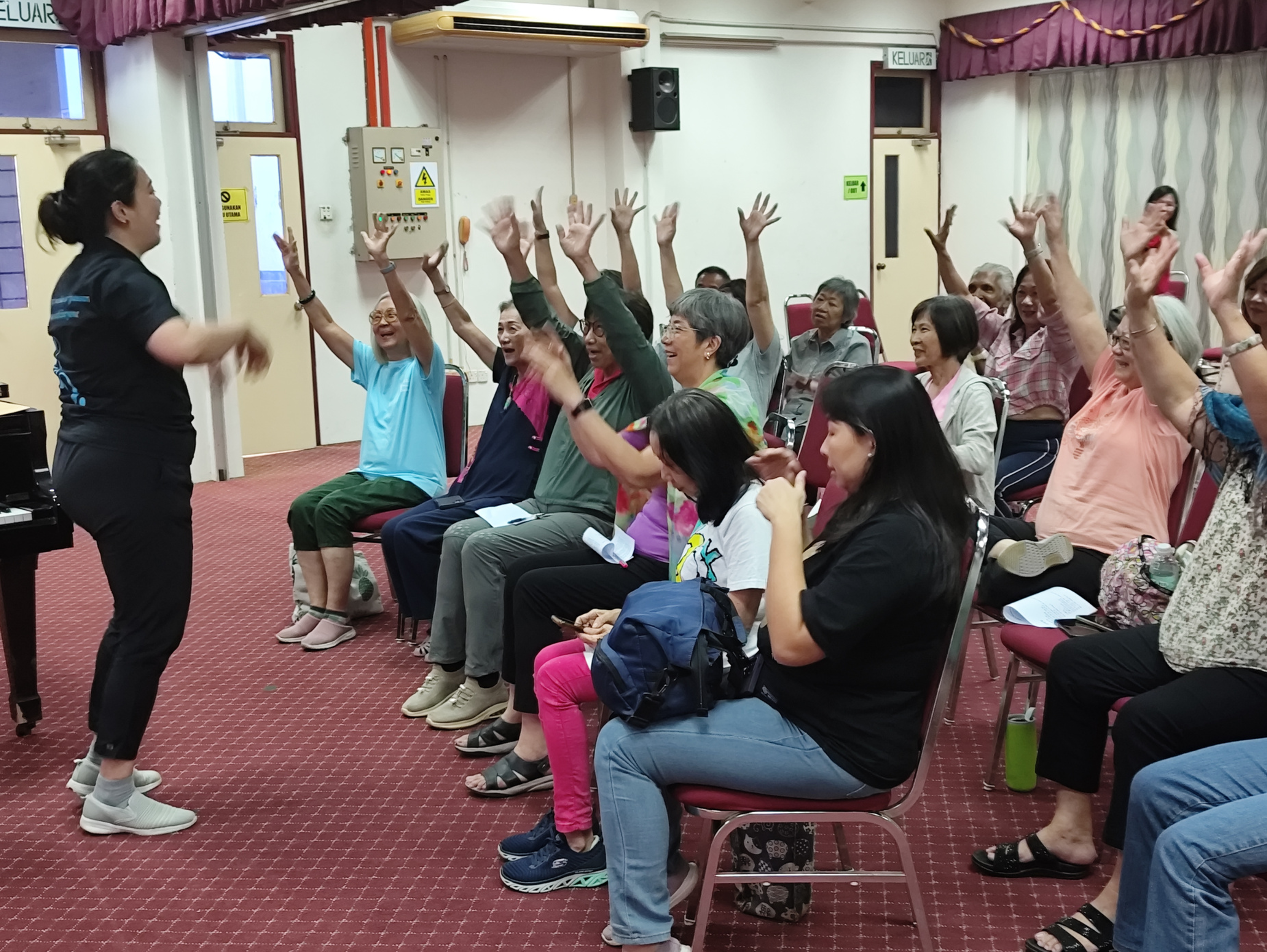
  • Address emerging issues such as stress, passive ageing, loneliness, health literacy, and safe environments.
  • Create supportive ecosystems that improve overall quality of life.
  • SDG 3 – Good Health & Well-being

    Mental health programs, health literacy, fitness & wellness, disease awareness.

  • SDG 6 – Clean Water & Sanitation

    Hygiene education, community sanitation.

  • SDG 12 – Responsible Consumption & Production

    Waste reduction, recycling, sustainable lifestyle education.

  • SDG 16 – Peace, Justice & Strong Institutions

    Anti-bullying, conflict resolution, youth safety, community harmony.

Celebrate and Promote Arts & Culture
  • Encourage creative expression as a tool for social connection and community identity.
  • Support cultural preservation, diversity appreciation, and inter-cultural understanding.
  • Use arts as a medium to inspire empathy, harmony, and social cohesion.
  • SDG 4 – No Poverty

    Cultural education, creative learning, arts for youth development.

  • SDG 10 – Reduced Inequalities

    Intercultural engagement, unity-building through arts.

  • SDG 11 – Sustainable Cities & Communities

    Heritage preservation, cultural mapping, community spaces for arts.

  • SDG 17 – Partnerships for the Goals

    Collaboration with cultural institutions, artists, cultural NGOs.

PFH Grant Judging Criteria
Criteria Weight (%) Focus
Problem & Community Need 20% Clarity, relevance, evidence of need
Creativity 20% Innovative idea, fresh approach, alignment with theme
Impact 40% Short-term impact and potential of continuity
Presentation & Communication 10% Clarity, visual support, storytelling, engagement
Potential Continuity/Sustainability 10% Potential to continue, be adopted, or scaled
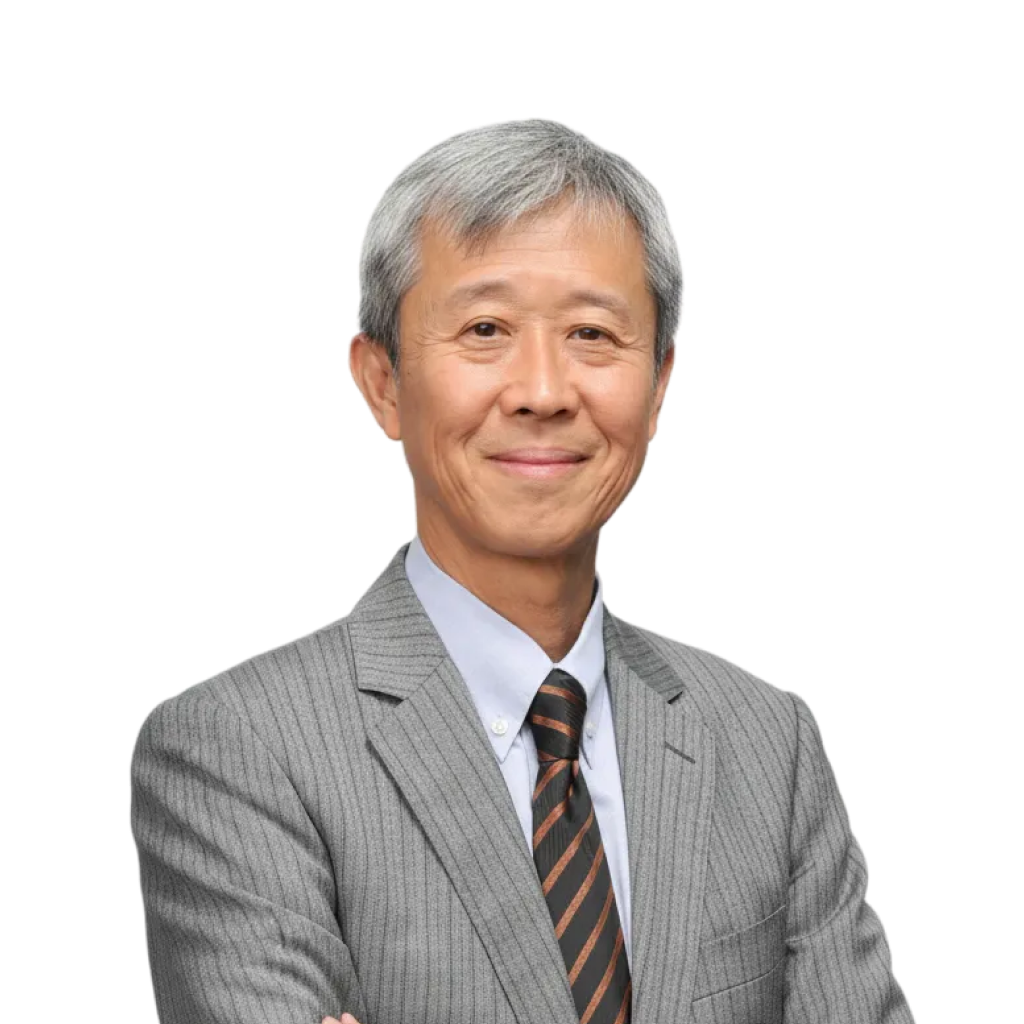
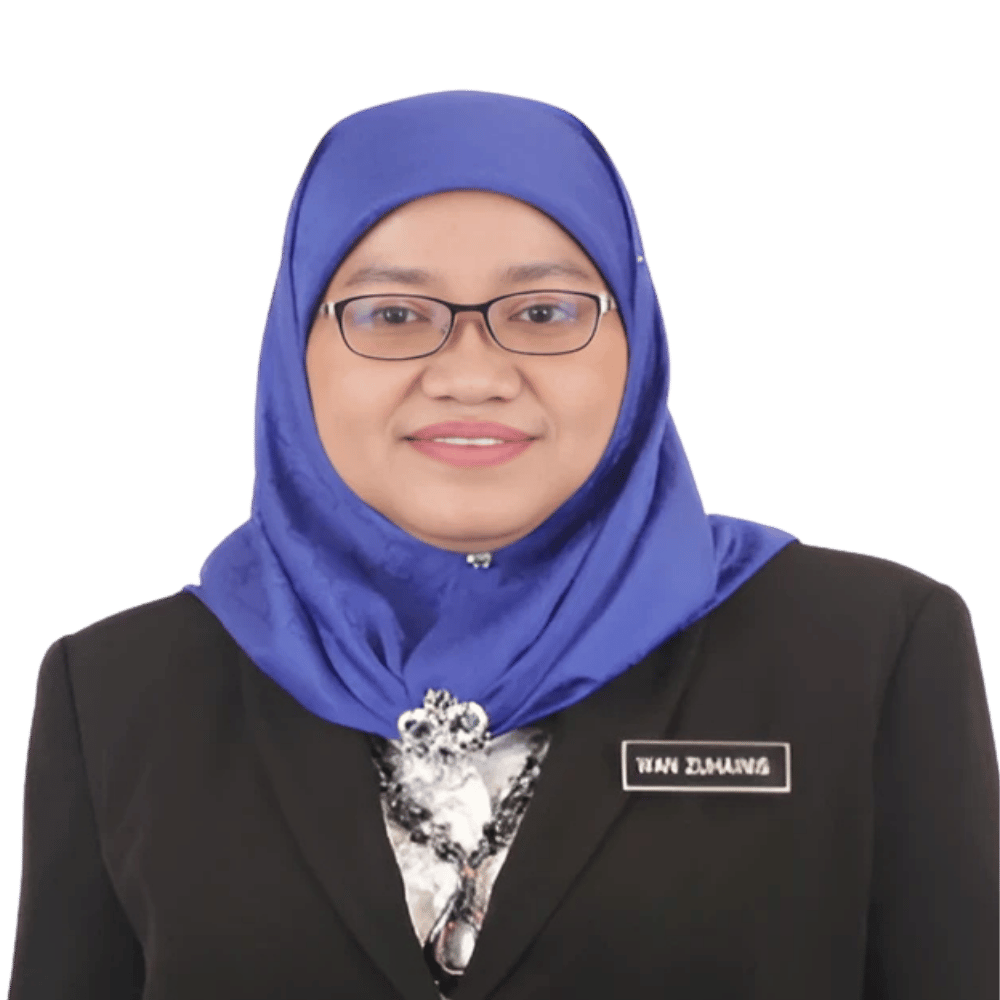
Judges
Mr. Cheng Ping Keat
Mdm. Margaret Soo
En. Razak Aziz
Mr. Wong Lup Hang
Ass. Prof. Ts. Dr. Wan Zuhanis Saad
Dr. Mohd Mokrish Md Ajat
Dr. Mohd Hafiz b. Abu Hassan
Mr. Tee Lee Meng
Dato’ Seri Rosman b Mohamed
Prof. Dr. Sharipah Ruzaina Syed Aris
Mr. Rabinder Singh Nijhar
Dato' Chan Wah Kiang
Archives
Past Projects
Project for Happiness 2021
Project for Happiness 2022
Project for Happiness 2023
Project for Happiness 2024