

 Support this Project



 0 Days Left
 33 Supporters
 0 Favourited


Children living in institutional care environments may face challenges in emotional expression, confidence-building, and social interaction due to limited opportunities for safe and structured emotional engagement. While many children’s homes are able to provide essential care and daily support, there is often limited access to dedicated emotional learning environments that encourage children to express themselves comfortably through creative, interactive, and child-centred experiences.
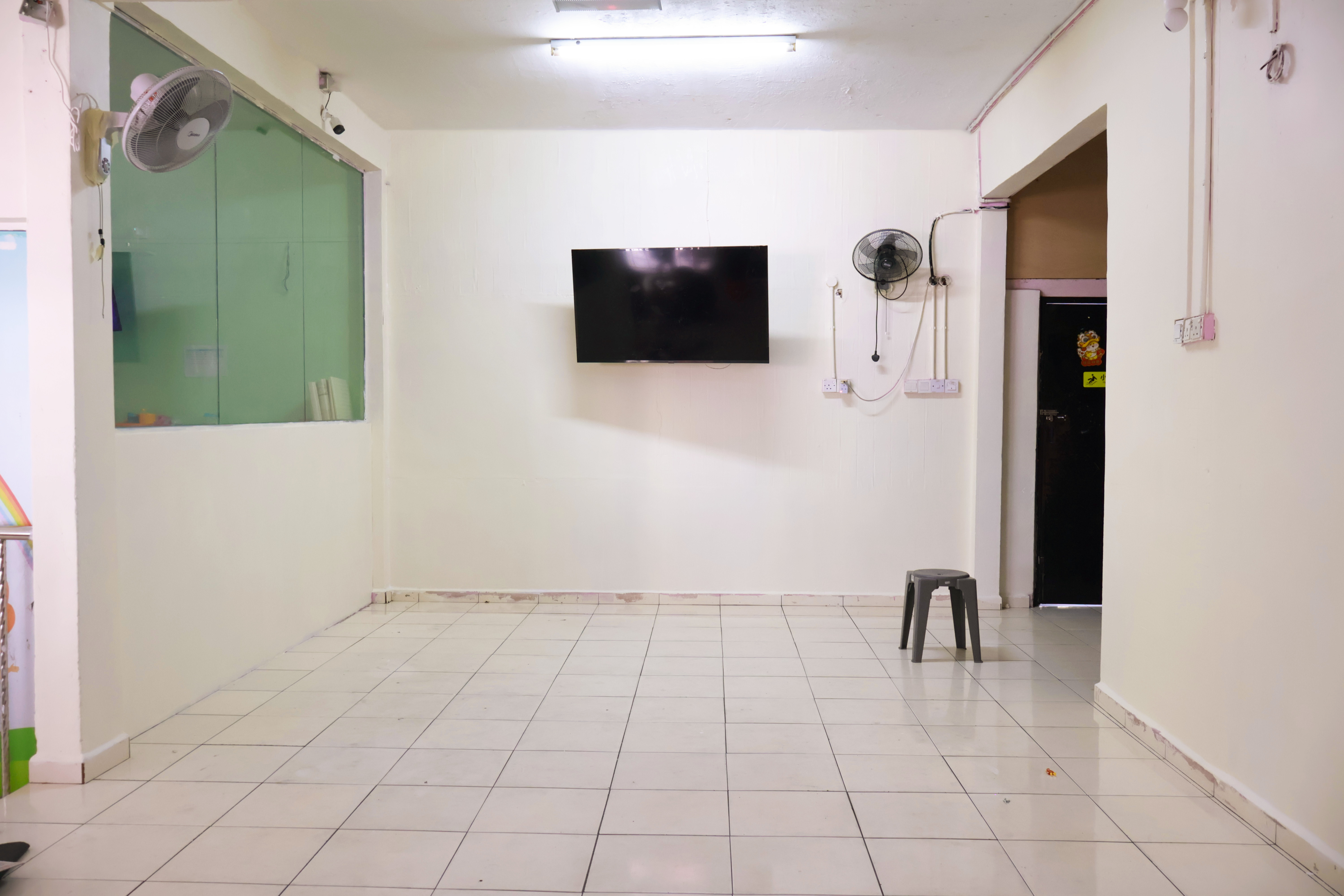
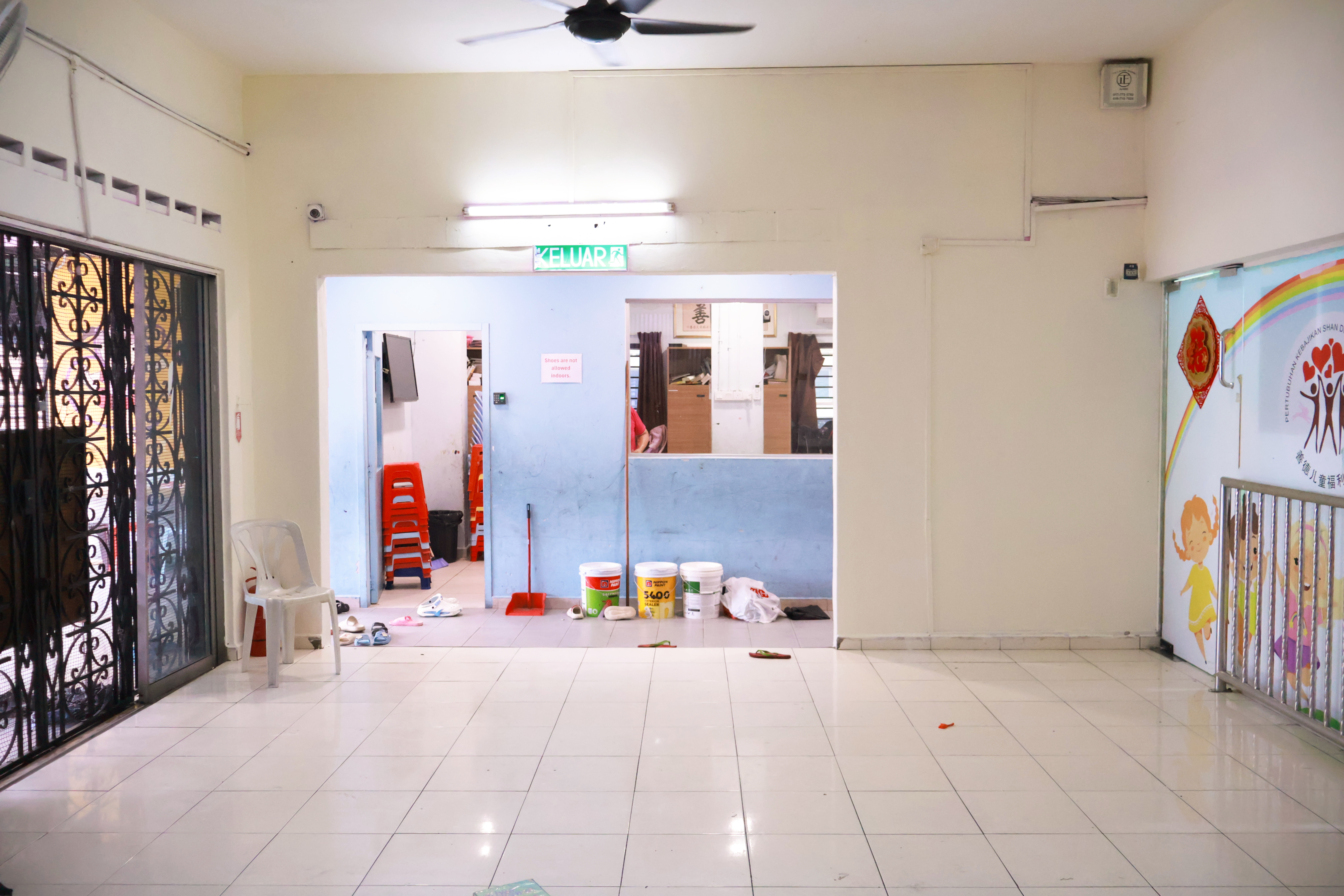
Heartventure was created to address this gap by transforming an existing space into a structured emotional learning environment designed specifically for children in care settings. The project introduces a modular 5-zone experiential system that supports different emotional functions such as calming, creative expression, storytelling, social interaction, and reflection. Through guided and non-pressuring activities, children are given opportunities to gradually explore emotions, build confidence, and participate in safe social engagement.
The purpose of Heartventure is not to provide and create consistent and supportive opportunities for emotional participation and positive emotional experiences over time. The project also aims to support caregivers by providing a structured and transferable system that can continue beyond the initial implementation phase.
Supporting this project is important because emotional wellbeing and confidence-building are essential parts of a child’s overall development, especially for children growing up in institutional care environments. With support from My Starfish Foundation and the wider community, Heartventure can create a more emotionally supportive environment for children while also developing a reusable and scalable system that may benefit other children’s homes and community spaces in the future.
Safe Zone
Help children recognise emotions in a safe environment
Activities
- Emotion boxes with coping tools
- Feeling cards
- Soft toy comfort corner
Art Zone
Encourage participation, expression and achievement
Activities
- Drawing & painting
- Collage making
- Colour-and-feeling activities
Creative Play Zone
Support children in exploring identity and personal experiences
Activities
- Create-your-own character
- Storytelling & roleplay
- Clay and costume
Game Zone
Foster connection, inclusion and positive social interaction
Activities
- Team missions
- Matching & puzzle games
- Building challenges (blocks/lego)
Grow Zone
Allow children to make choices express themselves freely
Activities
- Sharing circle
- Progress photo display
- Journey tracking
Heartventure aims to create a positive and sustainable impact on children living in institutional care environments by improving their opportunities for emotional expression, social engagement, and confidence-building. Through a structured and child-centred 5-zone emotional learning system, the project provides a safe space where children can explore and express their emotions in a gradual and non-pressuring way.
At the individual level, the project hopes to support children in developing greater emotional awareness, communication skills, and willingness to participate in group activities. By offering different modes of engagement such as creative play, storytelling, reflection, and calming activities, children are given multiple pathways to express themselves in ways that feel comfortable and accessible.
At the community level, Heartventure aims to strengthen the capacity of caregivers by providing a transferable and structured system that can continue beyond the initial implementation. This helps create a more supportive and consistent emotional environment within children’s homes, rather than relying solely on one-time interventions.
In the longer term, the project also hopes to contribute to wider community awareness about the importance of emotional wellbeing in child development, while offering a replicable model that other organisations and community spaces can adopt or adapt.
Overall, the intended impact is not only immediate engagement during activities, but the gradual development of a more emotionally supportive and expressive environment for children in care.
How we will measure?
Metric 1: Growth Journey Reflection Record
Measures children’s sense of growth, confidence, and independence through personal reflection and self-recorded progress in the Grow Zone. The zone allows children to freely document their experiences, achievements, and emotional journey as evidence of their personal growth.
Metric 2: Social Interaction
Social engagement is evaluated by observing the frequency of collaboration, sharing, communication, and participation during group-based activities and experiences.
Metric 3: System Transferability
The project also evaluates how effectively the system can be adapted across different spatial environments, institutional settings, and care contexts while maintaining its experiential structure and emotional objectives.

Project Information
| University name | : | Raffles University |
| Project leader name | : | Tew Jia Ying |
| Facebook link | : | https://www.facebook.com/share/14f3yZf7P21/ |
| Instagram link | : | https://www.instagram.com/heartventure2026?igsh=MW1lbjh2MnFtazczMw== |
| Project implementation date | : | 2026-08-15 |
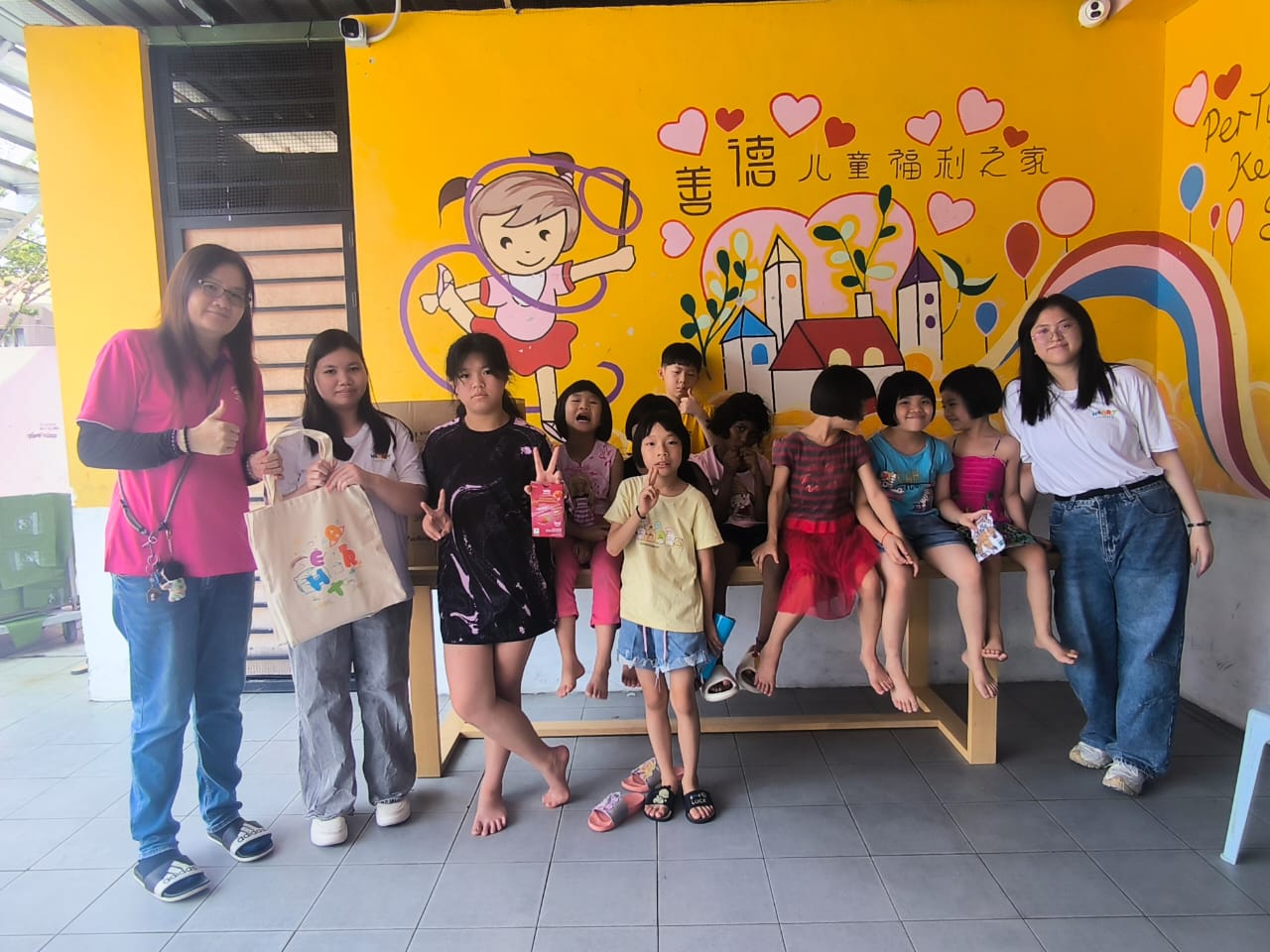
| Location of project held | : | Shan De Children’s Home |
| Beneficiary | : | Children from Shan De Children’s Home |
| Number of beneficiaries | : | 12 |
Section I
1. Summary of project goals with two sentences.
Heartventure aims to support children in institutional care by creating a safe and engaging environment where they can express emotions, explore creativity, and develop self-esteem through art and play. The project integrates psychology-informed activities into a transferable wellbeing system that encourages children to explore, interact, create, and reflect as part of their everyday development.
2. Did other fund-raising efforts contribute to your projects? What were they?
Yes. The project was supported by funding from My Starfish Foundation and MSEF, with a grant of RM7,200. The remaining project expenses were supported through self-funding, with a total additional contribution of approximately RM820.08.
3. Provide details about how your project actually worked.
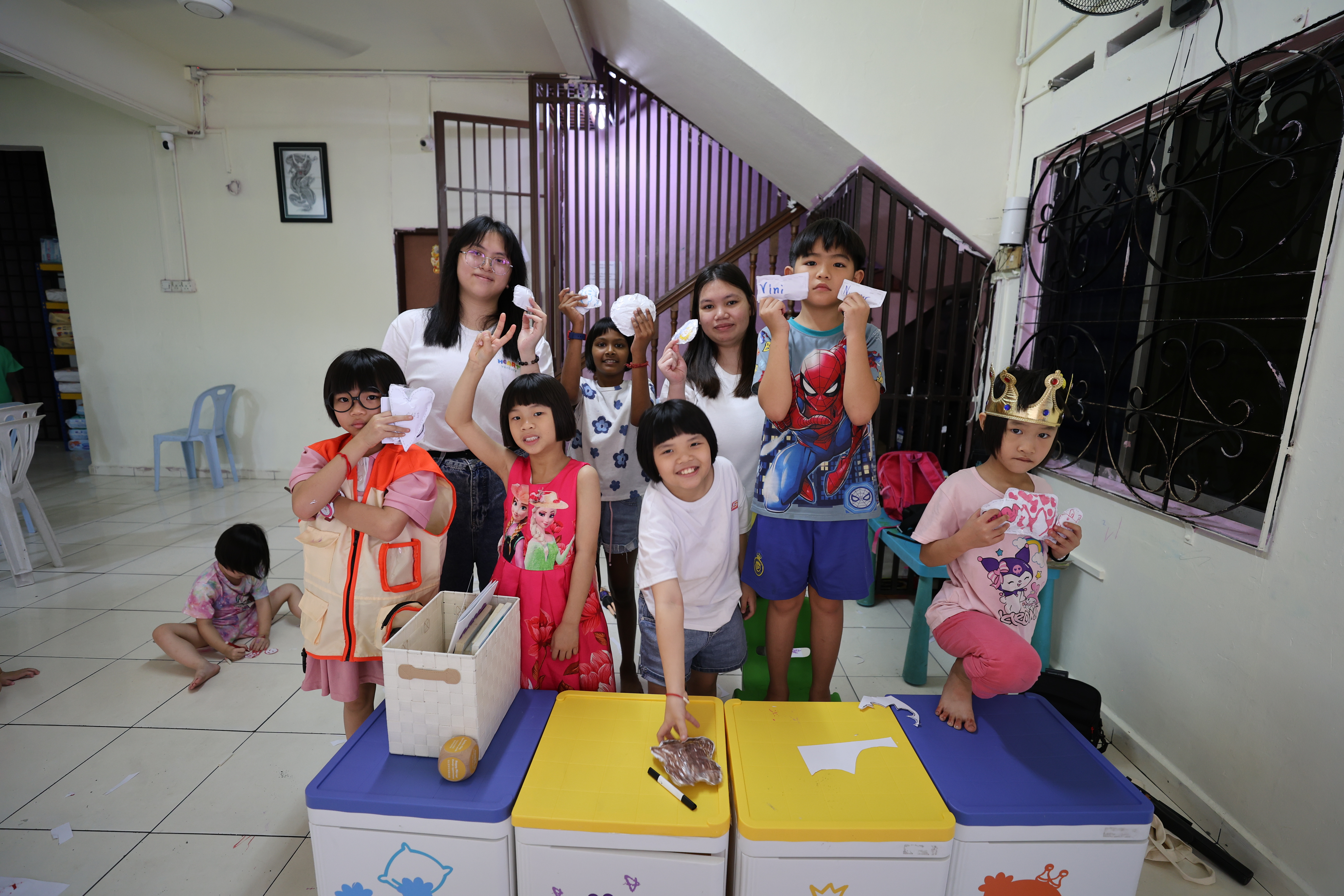
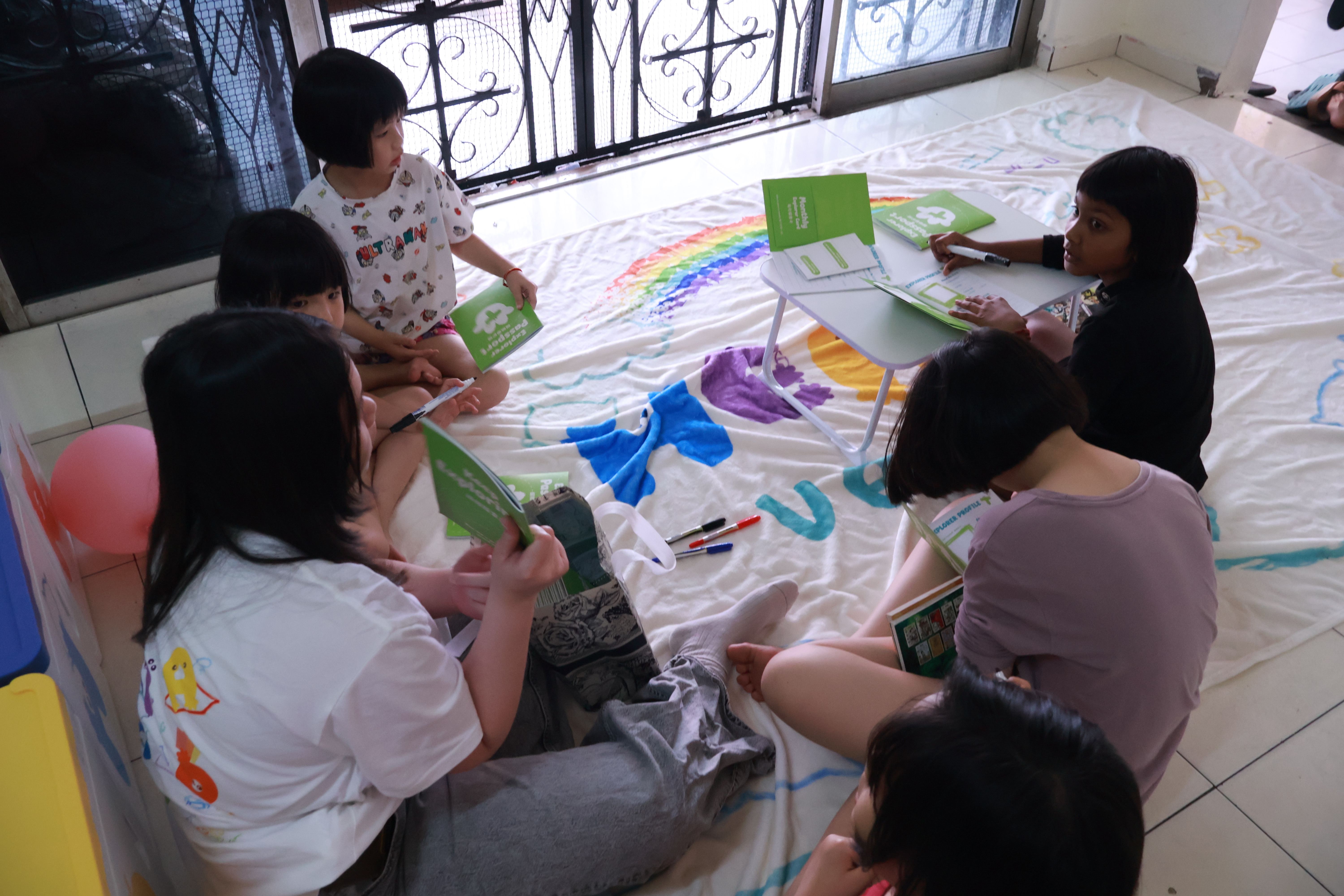
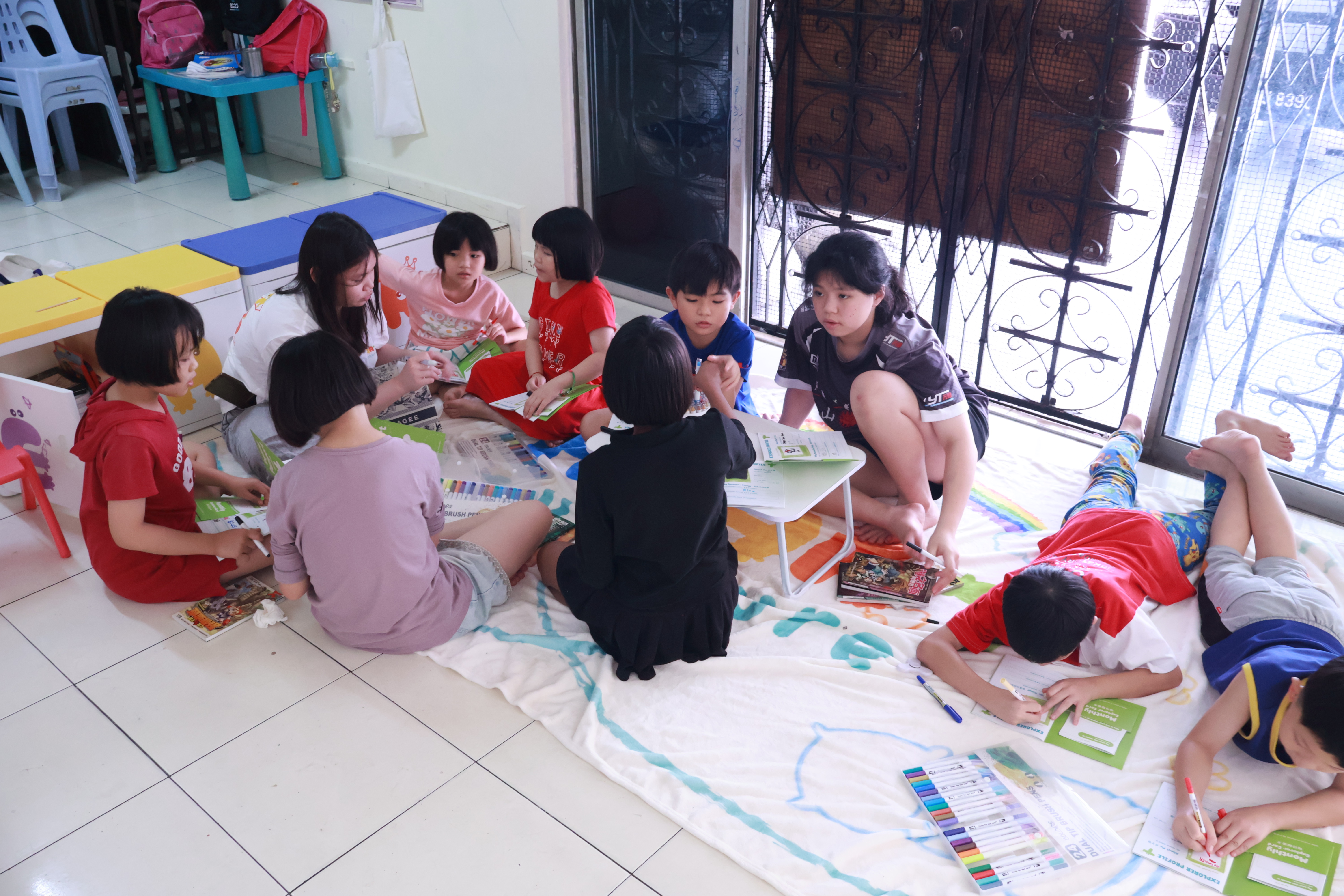
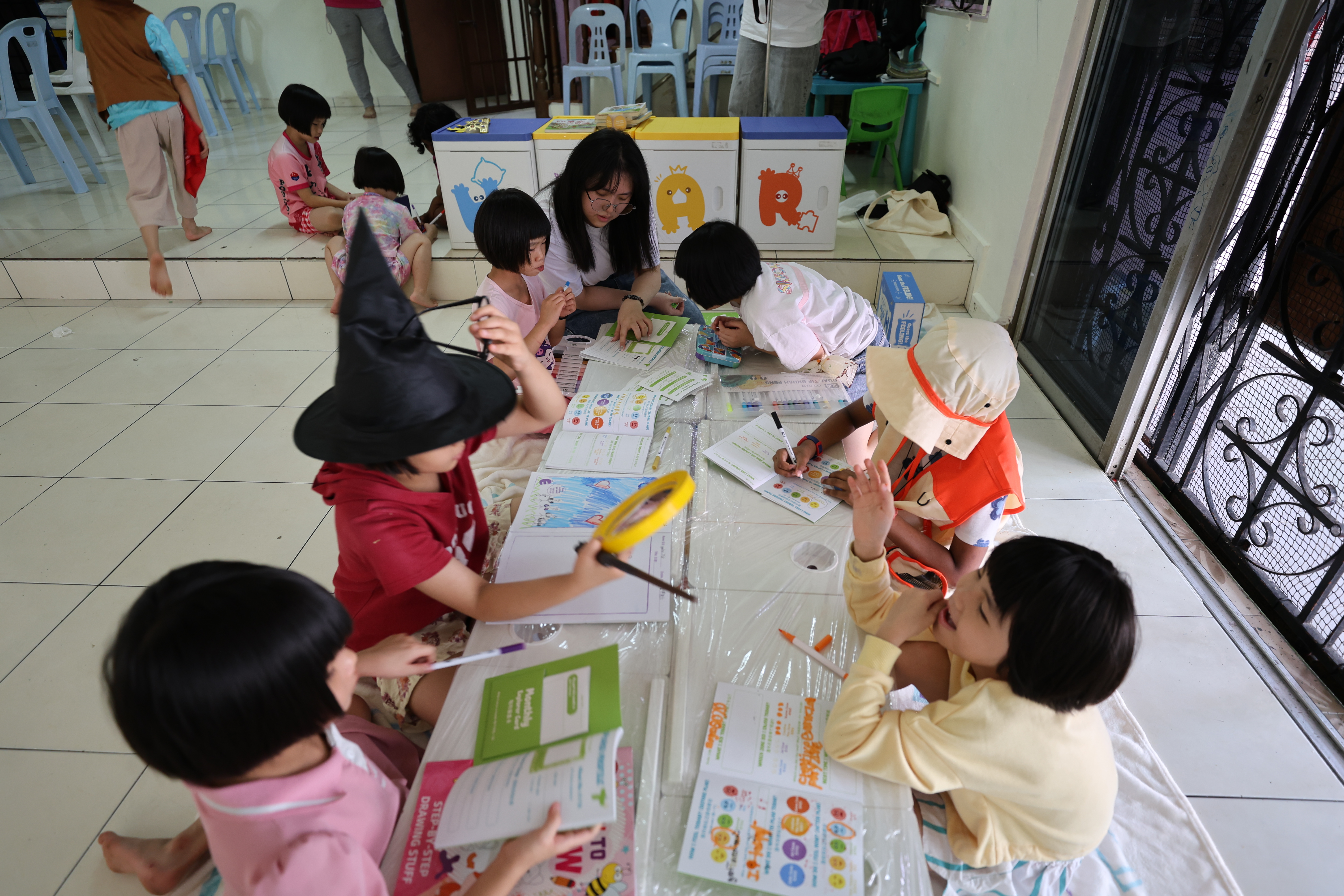
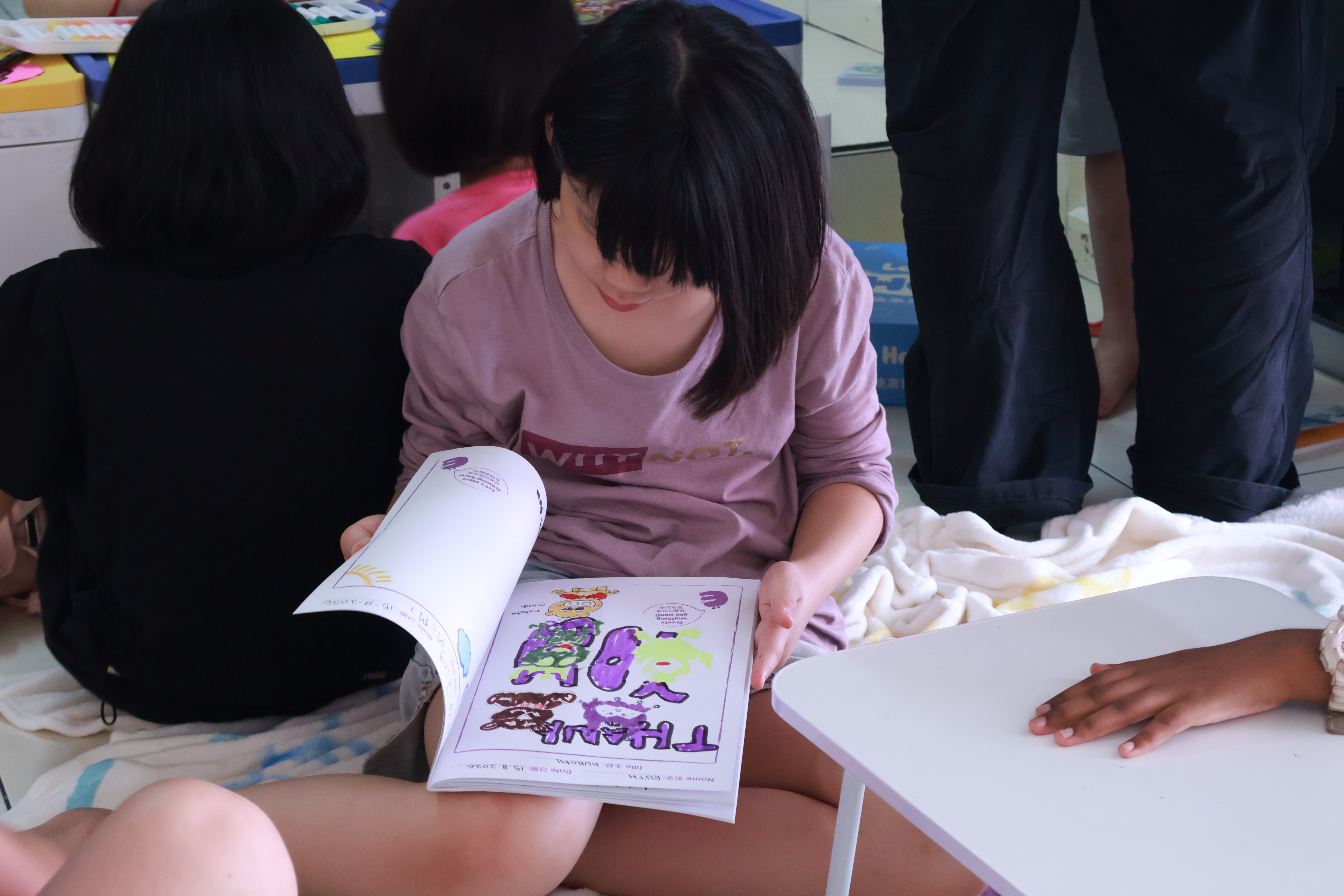
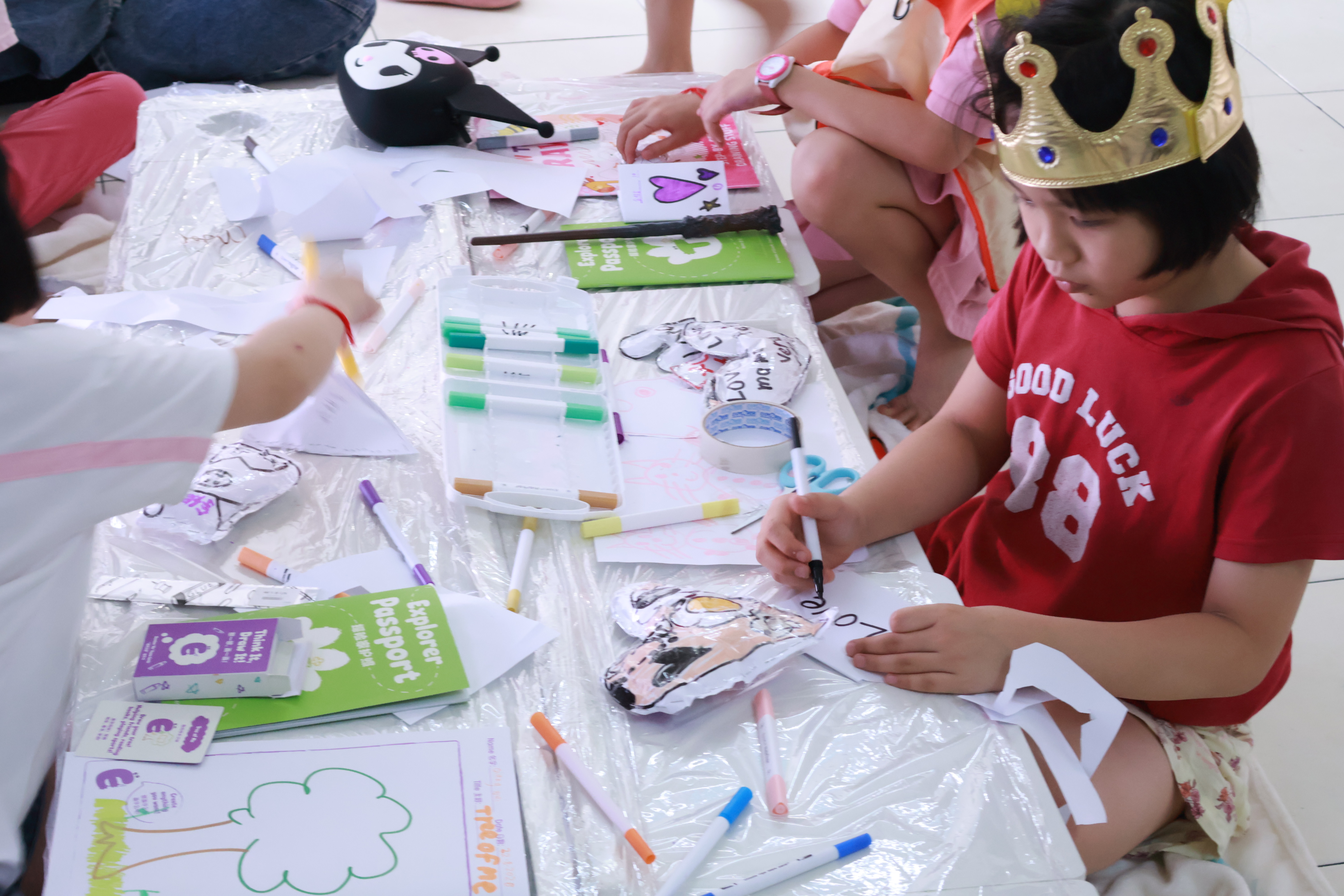
Heartventure was implemented as a gamified art-and-play wellbeing system consisting of five zones: Safe, Art, Creative Play, Game, and Grow. Children participated in activities involving emotional recognition, creative expression, storytelling, role play, games, and reflection. The system also included an Explorer Passport, activity cards, badges, and interactive game materials to help children track their journey and engage with the activities in a structured but flexible way. The activities were designed to encourage children to communicate their feelings, express themselves creatively, interact with others, and gradually build confidence and self-esteem.
4. Were there unanticipated difficulties? Budget constraints?
Yes. An unanticipated situation occurred during the first week after we placed the Heartventure materials at the children’s home. When we returned in Week 2, we noticed that many of the materials from the Art Zone and Game Zone had been taken and kept by the children. We discussed the situation with the person in charge and learned that the children already had access to similar materials. This made us realise that the behaviour was not simply caused by a lack of materials, but may reflect a strong attachment to the materials, activities, or the sense of ownership and enjoyment they provided.
In contrast, most of the materials from the Creative Play Zone remained in place. This difference between the zones gave us an important insight into the children's preferences and needs. It made us realise that children may have a stronger need for human connection, attention, interaction, and engagement rather than simply needing more physical materials. As a result, we recognised that the effectiveness of the system depends not only on the materials provided, but also on how the activities are introduced and facilitated.
5. Language or cultural barriers?
Yes. We found that language accessibility was an important consideration during implementation. As the children attend Malay-medium schools, some of them could speak Chinese but had limited ability to read Chinese, while they were also not very familiar with English. Although Heartventure was designed as a bilingual system, we found that written instructions alone were not always sufficient. Simple verbal explanations, demonstrations, and guidance were still needed to help the children understand how to participate in the activities.
This experience showed us that a bilingual system should not only provide information in two languages, but should also consider the children's actual language abilities and rely more on simple wording, visual communication, and facilitator guidance.
6. What worked well? What didn’t work well?
The hands-on and playful approach worked well in attracting the children’s interest and encouraging active participation. Art, role play, storytelling, and games provided different ways for children to express themselves and interact with others, while the five-zone structure helped organise the experience into different stages of exploration and reflection.
However, our implementation showed that providing the system and materials alone may not be enough to maximise engagement. We observed that children aged 7–12 may benefit more when a facilitator or caregiver is present to explain, guide, encourage, and interact with them during the activities. This can help them understand the activities more quickly, participate more actively, and develop stronger interaction and communication skills.
This became an important learning point for Heartventure: the system should not function only as a collection of activities and materials, but as a guided experience that encourages meaningful human connection and interaction.
7. How many people benefited or will benefit from your project? Who are these people?
A total of 12 children aged 7–12 showed interest in Heartventure and actively participated in the system and activities during the implementation. Participation was voluntary, and we did not require all children within the 7–12 age group at the children’s home to participate.
The participating children benefited from opportunities to explore emotions, express themselves creatively, interact with others, and engage in art-and-play activities in a supportive environment. The experience also provided us with valuable observations that can be used to improve the system for future implementation.
8. What is the long-term impact and sustainability of this project? Is there a future for your project?
The long-term goal of Heartventure is to provide children in institutional care with accessible opportunities to practise emotional expression, creativity, social interaction, and self-reflection beyond a one-time workshop. Because the system is modular and transferable, its activities and materials can be reused and adapted according to different groups, spaces, and needs. Future development could include refining the activity toolkit based on implementation feedback, expanding the system to other children's homes and community settings, and developing additional activities that support children's emotional wellbeing and self-esteem.
How does or will your project contribute to happiness? Short-term? Long-term?
In the short term, Heartventure contributes to children’s happiness by creating opportunities for them to play, create, explore, and interact in an environment that feels different from their usual daily routine. Through art, storytelling, role play, games, and creative activities, children can experience enjoyment while having opportunities to express themselves and connect with others.
In the long term, the project aims to contribute to wellbeing by helping children develop greater confidence, emotional awareness, and communication skills. Rather than focusing only on temporary enjoyment, Heartventure encourages children to recognise their emotions, express themselves, interact with others, and reflect on their personal growth. With continued guidance and implementation, these experiences may support their self-esteem and emotional development over time.
Has your project changed the way you think about the world? How has it changed you?
Yes. Before implementing Heartventure, we initially thought that creating engaging activities and providing children with appropriate materials would be the main way to encourage participation and improve their experience. However, observing the children during implementation changed our understanding. We realised that having more materials does not necessarily mean that children will engage more meaningfully with an activity.
One of the most meaningful observations was that some children took and kept materials from the Art and Game Zones even though the person in charge told us that they already had similar materials. This made us think beyond the materials themselves and consider what the children might be seeking through them. We began to understand that attention, connection, interaction, and a sense of ownership can be just as important as the physical resources provided.
This experience changed the way we think about designing for communities. We learned that a successful social design project should not only ask, “What can we provide?” but also, “What do people actually need?” It also changed us as designers by teaching us to observe more carefully, listen to the community, and be willing to adjust our assumptions based on what we learn from real-world implementation.
A one to two sentence personal statement, suitable for use as a quotation, addressing how and why this project was valuable and what was the most important thing we learned as a result.
Heartventure was valuable because it created a space where children could express needs that are not always easy to communicate through words, allowing us to better understand the emotions and behaviours behind them. The most important thing I learned is that meaningful design is not only about providing solutions, but also about creating opportunities for children to be seen, understood, and guided.
— Tew Jia Ying
Heartventure combines design and psychology to create a system that supports children in orphanages to build confidence and develop social connections. Through this project, I learned to approach design with both empathy and practicality, especially when bringing a design from concept into practice and creating a real experience.
— Tan Yun Zi
Heartventure allowed me to apply psychological knowledge in a real-world setting while creating meaningful experiences for children. The most important thing I learned was that understanding people’s emotions, needs, and perspectives is important when turning psychological ideas into practical support.
— Emily Siew Jia Min
Section II
Section III
Video
Image Gallery
 0 Days Left
33 Supporters
0 Favourited


