

 Support this Project



 0 Days Left
 174 Supporters
 1 Favourited


Did you know that a healthy digestive system is the foundation of daily vitality, indirectly regulating our mood and acting as the control center for our overall well-being? For the marginalized indigenous community, poverty and a severe lack of health literacy have fueled a silent epidemic of non-communicable diseases and late-stage Colorectal Cancer (CRC). To combat this crisis, a dedicated team of medical students from Fakulti Perubatan dan Kesihatan Pertahanan (FPKP), Universiti Pertahanan Nasional Malaysia, driven by a deep passion for preventative oncology and grassroots public health, is launching Project Senyum dari Perut (SeDaP): Usus Sihat, Komunit Bahagia. This targeted 3-day carnival will transform community health through zero-oil "SeDaP Chef" cooking workshops, interactive gut-health education and vital on-site CRC screenings using iFOBT kits. Rather than offering transactional charity, we are building a sustainable legacy by rewarding educational participation with high-utility daily items at our "SeDaP Stamp Redemption Bazaar" and training local youth to continuously monitor their village's health. Every ringgit you donate goes directly toward essential cancer screening kits, cooking equipment and community assets. Join us in empowering this village to prevent silent killers and cultivate true happiness from the inside out!
Our Philosophy: The Gut-Happiness Connection
We believe that all disease and happiness begin in the gut. Often referred to as the body's "second brain", the gastrointestinal tract is the control center for our physical vitality and emotional well-being. A balanced gut microbiome naturally regulates cholesterol, boosts immune defense and directly influences our mental state. By teaching communities to optimize accessible, traditional diets and fermented foods, we are actively protecting them against physical lethargy, anxiety and non-communicable diseases (NCDs) to promote sustainable, daily vitality.
Our Approach
To build a long-term health legacy, our intervention focuses on three core pillars:
Education (Root-Cause Prevention): We translate complex health literacy into engaging, accessible formats. For children, we utilize interactive workshops to build lifelong hygiene habits against soil-transmitted parasites. For adults, we provide localized nutritional education and zero-oil cooking workshops to combat the reliance on ultra-processed foods and teach early symptom awareness.
Identification (Clinical Triage): We break down geographical healthcare barriers by bringing active clinical screening directly to the community. In alignment with National Health Screening Initiatives, we conduct on-site baseline NCD and targeted cancer triage to identify "silent killers" and facilitate direct medical referrals for high-risk individuals.
Empowerment (Sustainable Dignity): Moving beyond transactional charity, we equip the community with tangible health assets and essential emergency skills. We empower households to naturally protect their gut using their own local resources and integrate a "Training of Trainers" (ToT) model to ensure health practices endure independently.
Project Goals & Impact
Cultivate Health Literacy: Achieve a minimum 50% measurable improvement in gut, hygiene and dietary literacy among participants, verified via structured pre- and post-intervention assessments.
Identify Hidden Health Threats: Successfully conduct baseline NCD screenings to detect asymptomatic conditions and bridge the gap to continuous medical care.
Ensure Long-Term Sustainability: Establish a self-sustaining health-monitoring network by mentoring targeted households in preventative nutrition and equipping local youth as designated health advocates to track community wellness post-intervention.
Project SeDaP is a 3-day, action-packed health carnival at a Kampung Orang Asli. We are replacing passive medical lectures with hands-on, sustainable empowerment. Here is how our team of energetic medical students and dedicated lecturers will be making a tangible impact on the ground:
1. Preventative Nutrition & Education
Interactive Nutritional Workshops: We are hosting community cooking challenges where households will learn to prepare affordable, zero-oil, high-fibre meals using local ingredients to naturally protect their gut health.
Reviving Traditional Probiotics: We are teaching the community safe, hygienic fermentation methods to make traditional, probiotic-rich foods, helping them build a natural dietary defense against diseases.
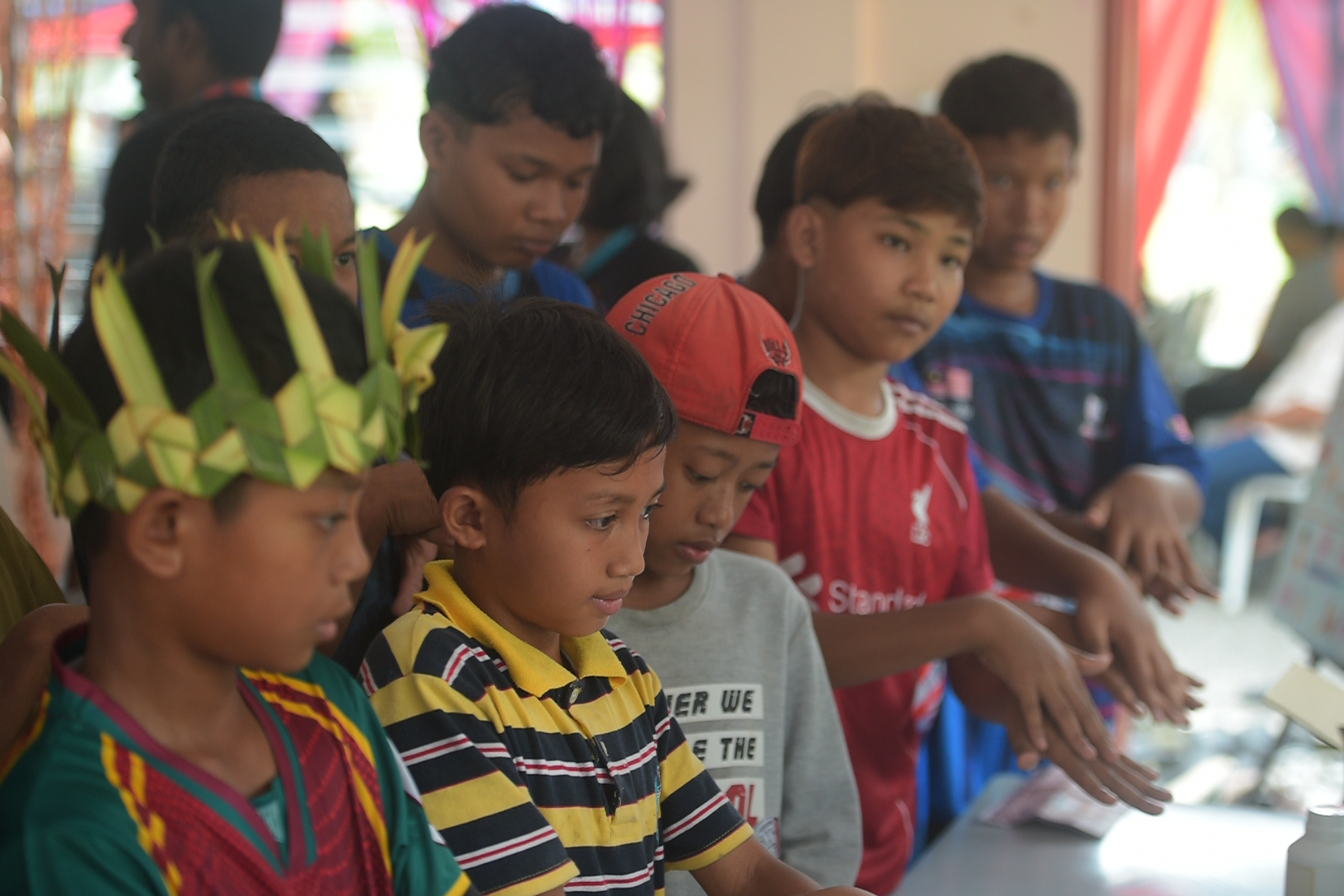
Gamified Health for Kids: We are making hygiene education fun! Children will participate in interactive, hands-on activities designed to build lifelong handwashing habits and teach them how to identify healthy dietary choices.
2. Active Clinical Screenings
Preventative Cancer Triage: We are bringing vital medical tests directly to the village. We will administer targeted screening kits to high-risk adults to detect early signs of gastrointestinal diseases.
Baseline NCD Testing: Our medical team will conduct comprehensive on-site screenings for blood pressure, glucose and lipid levels, ensuring anyone with abnormal results receives a direct referral to the nearest healthcare facility for continuous care.
3. Long-Term Community Empowerment
Merit-Based Health Bazaar: We do not believe in passive charity. Villagers will earn participation tokens by engaging with our educational booths, which can be exchanged for high-utility, daily wellness and hygiene assets.
First-Responder Bootcamp: We are training adults in crucial, life-saving emergency skills, including CPR and choking management, demonstrated practically by our trained medical students.
Community Health Legacy: Before we leave, we will appoint and train dedicated local youth leaders. We will equip them with health monitoring tools and essential clinical devices so they can independently track their village’s vital signs long after the carnival ends.
Our ultimate goal is to transform the indigenous community from a population vulnerable to "silent killers" into a thriving, health-literate village. By the end of our intervention, your support will help us achieve these measurable milestones:
Empowering 100 Lives: We will successfully engage and educate 100 indigenous residents across 30 households, sparking a village-wide health movement.
A 50% Boost in Health Literacy: We aim to achieve a verified 50% improvement in community gut health understanding, hygiene practices and daily wellness metrics.
Dietary Transformation: We will directly mentor 15 households to successfully master preventative, high-fibre cooking techniques, shifting them away from reliance on unhealthy, ultra-processed foods.
Life-Saving Clinical Triage: We will conduct critical NCD and targeted cancer screenings for 50 high-risk adults, ensuring a 100% medical referral rate for anyone requiring continuous clinical care.
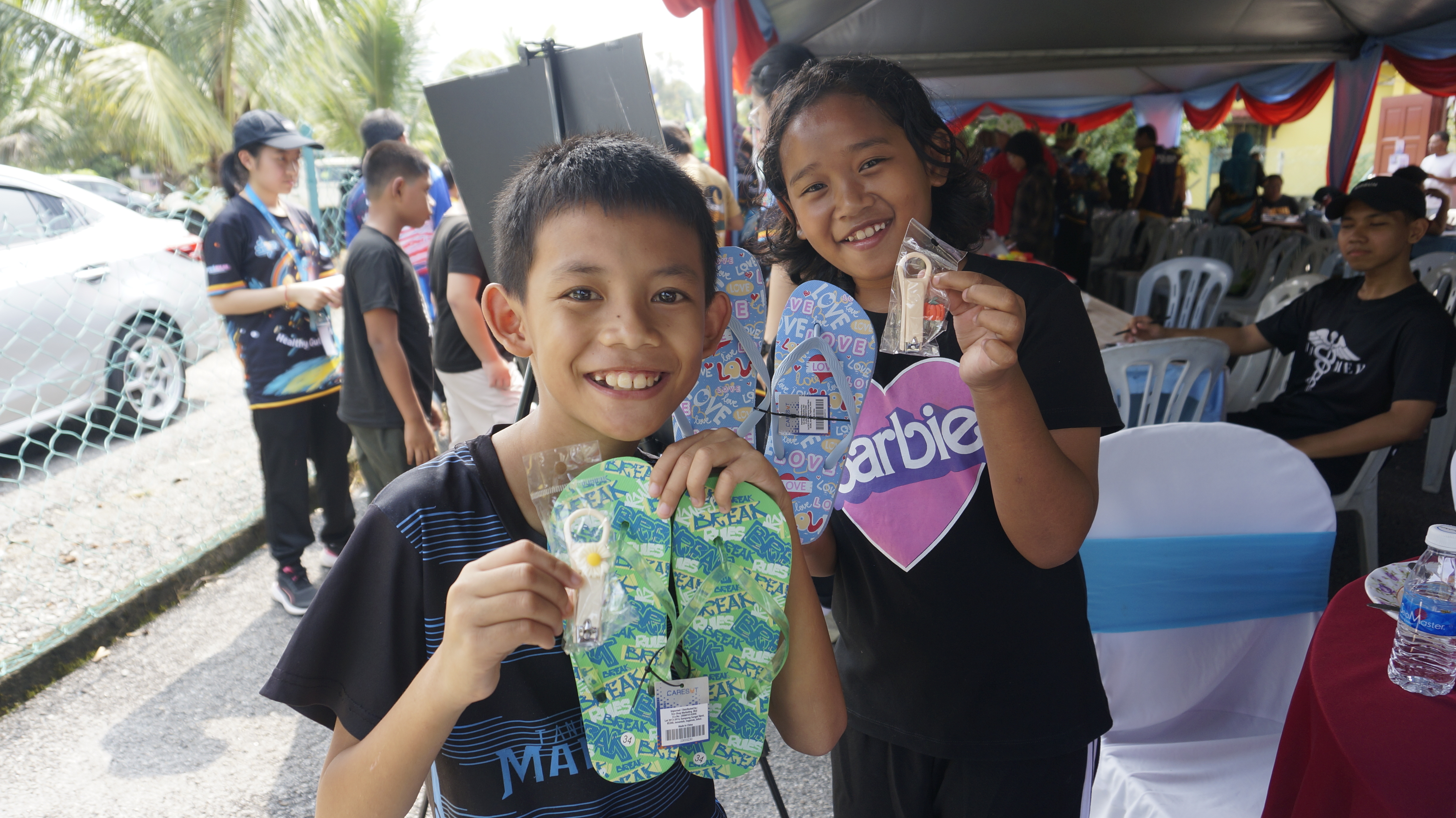
100 'Earned' Dignity Kits: We will distribute 100 customized wellness kits, containing essential hygiene and health supplies. These are distributed not as passive charity, but as earned rewards for actively completing our health education workshops.
A Sustainable Medical Legacy: We will leave behind a fully equipped safety network by certifying 15 adults in crucial emergency management skills (CPR and choking relief). Furthermore, we will train 10 local youth as designated community health advocates, equipping them with digital tracking tools to independently monitor their village’s health long after the carnival ends.

Project Information
| University name | : | Universiti Pertahanan Nasional Malaysia (UPNM) |
| Project leader name | : | Seow Rui Hong |
| Facebook link | : | https://www.facebook.com/sedapupnm/directory_contact_info |
| Instagram link | : | https://www.instagram.com/sedap_upnm?utm_source=ig_web_button_share_sheet&mdxt=ZDNlZDc0MzIxNw== |
| Project implementation date | : | 2026-10-10 |
| Location of project held | : | Kampung Orang Asli (KOA) Broga, Semenyih |
| Beneficiary | : | Villagers of KOA Broga |
| Number of beneficiaries | : | 120 |
Section I
- Summary of project goals with two sentences.
The Senyum dari Perut (SeDaP): Usus Sihat, Komuniti Bahagia project aims to improve health literacy among the indigenous community of Kampung Orang Asli Broga by promoting personal hygiene, gut health, nutrition and mental well-being through the gut-brain axis concept and culturally appropriate, interactive health education. It also seeks to foster sustainable health practices through digital health monitoring, practical lifestyle workshops and community empowerment, enabling residents to make informed health decisions and maintain healthier lives beyond the intervention.
- Did other fund-raising efforts contribute to your projects? What were they?
Yes. In addition to the seed grant from My Starfish Foundation (MSF) and the Malaysian Social Entrepreneurs Foundation (MSEF), our project was heavily supported by a combination of public crowdfunding and non-monetary sponsorships.
Financial Breakdown:
|
Seed Grant (MSF & MSEF) |
RM 10,000.00 |
|
Public Crowdfunding (MSF Website) |
RM 6,849.11 |
|
Lecturers and Students Crowdfunding Drive |
RM 2,250.60 |
|
Sponsorship from ADUN Semenyih |
RM 5,000.00 |
|
Total Funds Raised |
RM 24,099.71 |
Monetary Support: The local State Assemblyman, YB Tuan Nushi bin Mahfodz, sponsored RM5,000 to fund the 70 "Adult SeDaP Kits" and generously covered the rental costs for three main event tents. We must critically highlight the assistance of Tuan Mohd Nizam bin Radzaly, Pengerusi Madani Kampung Rinching Tengah, who played a vital role in helping us conduct early site visits and successfully bridging our team with YB Semenyih. Furthermore, the UPNM management provided immense logistical support by fully sponsoring the round-trip transportation for the entire crew, saving the project an estimated RM2,000.
Non-Monetary & In-Kind Support: To maximize the budget's impact, corporate collaborations and in-kind sponsorships were actively secured. Econsave supported the initiative by providing essential food goods for the 70 families at significantly discounted rates, while Printcious offered low prices for project merchandise (t-shirts and lanyards) alongside complimentary button badges. Product sponsorships were also received, including vitamins and hand sanitizers from Hovid Berhad and 300 bottles of cultured milk drinks from Yakult. Lastly, collaborations with the Hospital Orang Asli Gombak (HOAG) and the Chapter of Chemical Pathology Malaysia (CPMM) provided invaluable clinical and professional expertise for the carnival. Additionally, the faculty was highly supportive by loaning various essential logistical and medical equipment needed for the event.
- Provide details about how your project actually worked.
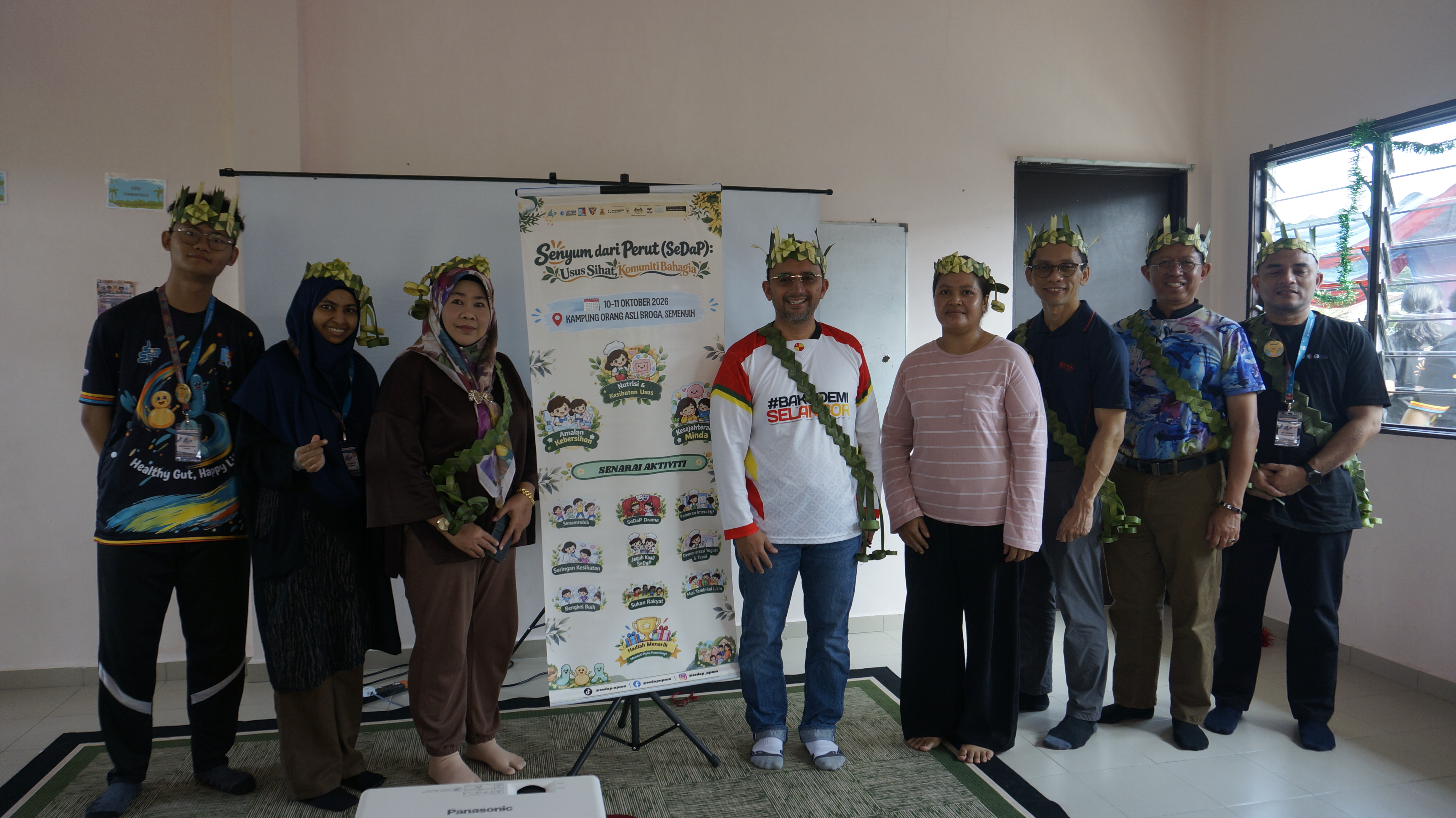
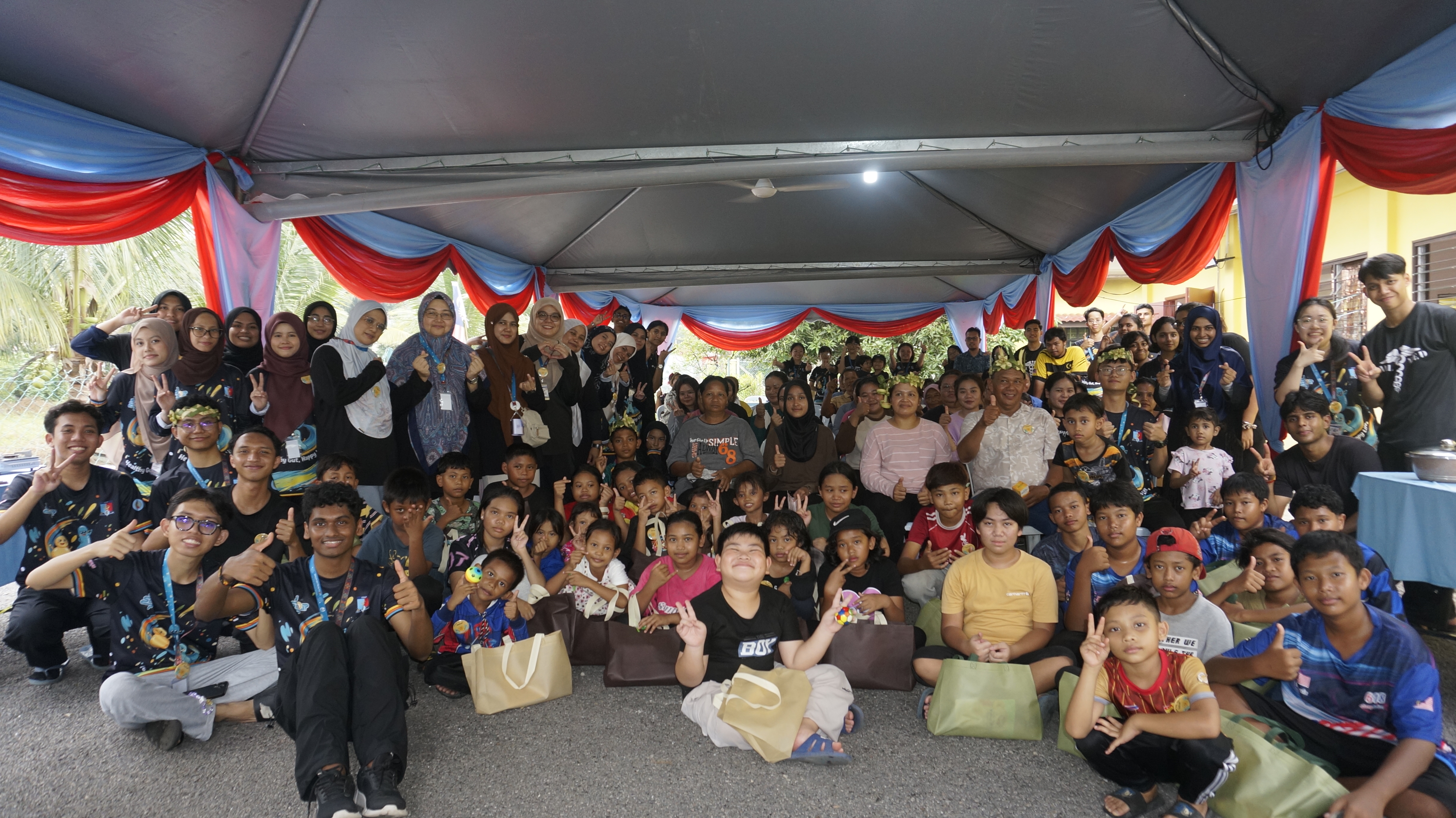
Projek SeDaP was a comprehensive 2-day health carnival on 10-11 October 2026 at Kampung Orang Asli Broga, Semenyih. Engaging 120 villagers, the project was executed by 42 students and 14 lecturers from UPNM's Fakulti Perubatan dan Kesihatan Pertahanan (FPKP) and Fakulti Sains dan Teknologi Pertahanan (FSTP) faculties across five main phases:
- Phase 1: Pre-Carnival Preparation (Planning & Dry Run): The project began months before the actual event with intensive preparation. We established a crucial connection with Tuan Mohd Nizam bin Radzaly, Pengerusi Madani Kampung Rinching Tengah, who facilitated our initial site visits and connected our team directly with YB Semenyih. Following our site visit to assess the venue's suitability, we proactively altered several logistical plans to adapt to the ground reality. We held multiple online inter-departmental meetings and face-to-face coordination sessions to align our medical and technology teams. Academically, we successfully obtained official ethical approval from the university to collect our research data and we pilot-tested our KAP questionnaire prior to the event. To ensure smooth logistics and flawless execution on D-Day, multiple comprehensive physical dry runs was conducted by the committee members.
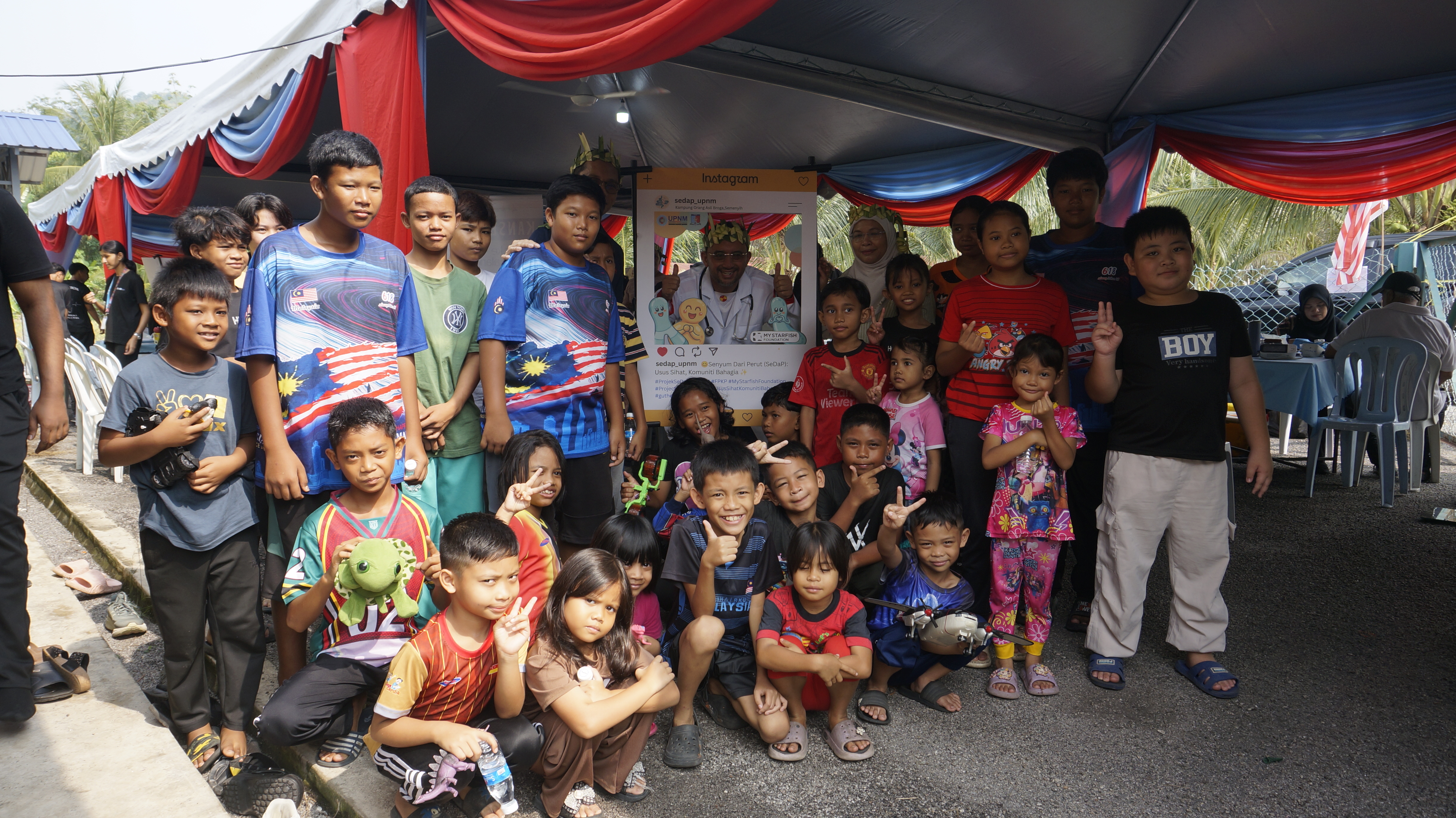
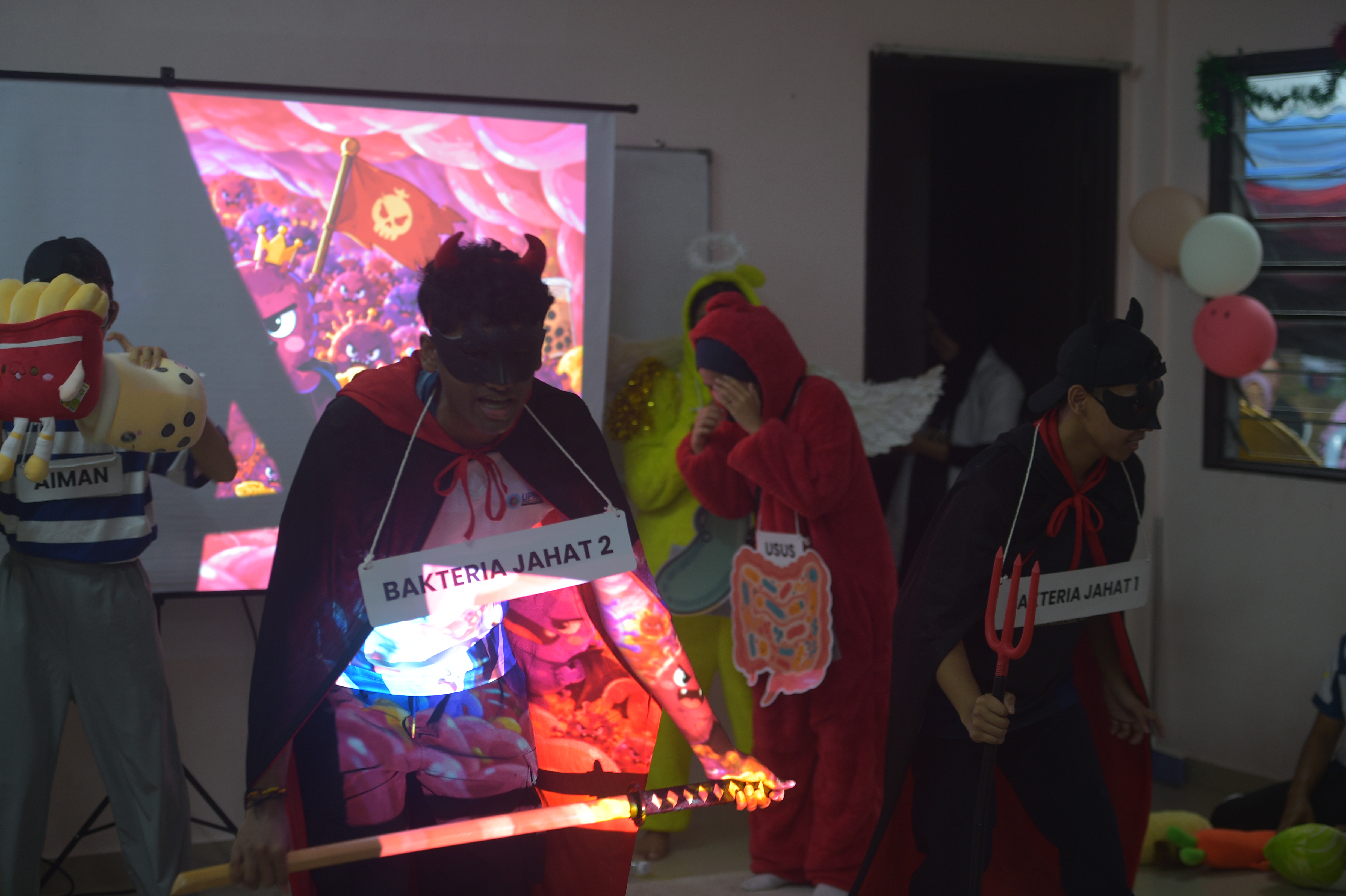
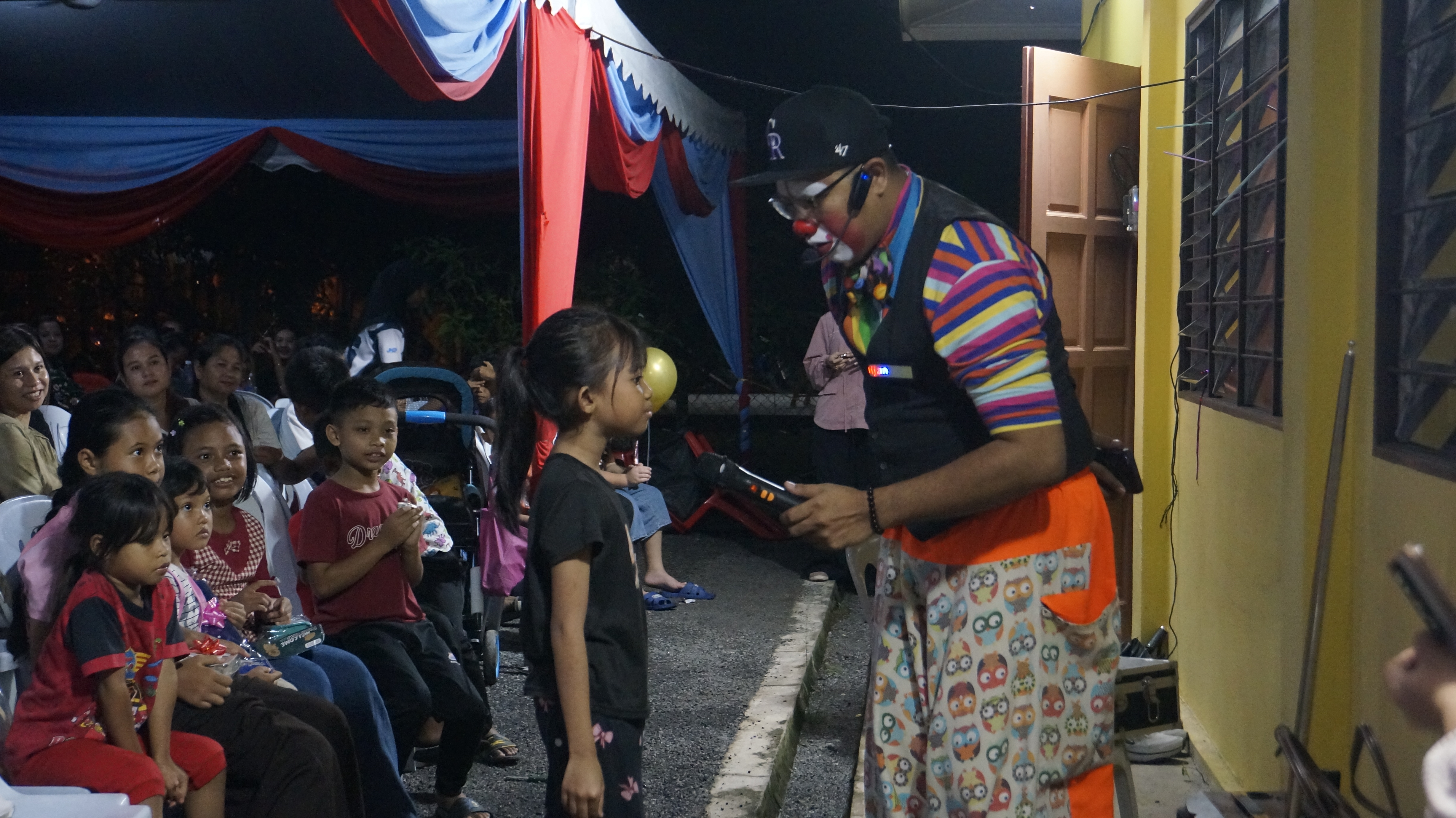
- Phase 2: Community Engagement & Ice-Breaking (10 October, Saturday): We initiated our on-ground execution on Saturday night by hosting Jamuan Rakyat SeDaP, a community buffet dinner to build trust and rapport with the 76 adults and 44 kids. This was followed by a magic clown show and the "SeDaP Drama" depicting the battle between "good" and "bad" gut bacteria, serving as an entertaining medium to educate families about the impact of a healthy diet on gut microbiota.
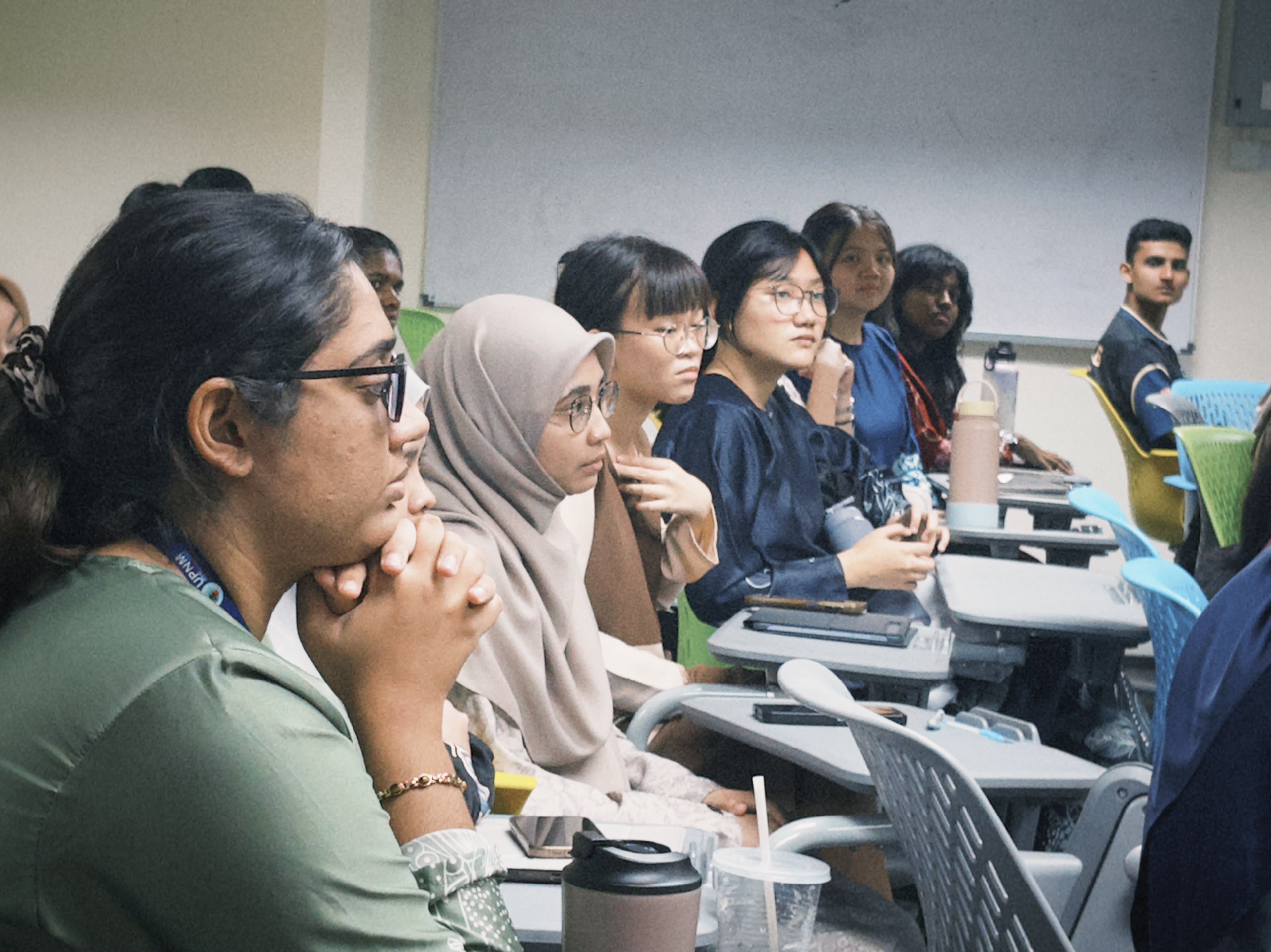
- Phase 3: Interactive Knowledge Input (11 October, Sunday Morning): Following the opening ceremony by YB Tuan Nushi, we kicked off the interactive educational booths. These booths featured informative board presentations, engaging games and gifts covering five core topics: parasite infections, nutrition, gut microbiota, colorectal cancer (CRC) and mental well-being. To track participation, an activity passport was utilized; the results were highly encouraging, with 33 participants achieving an impressive average completion rate of 71.5%, and 27 of them completing at least 69.23% (9 stamps) of the activities. Concurrently, we conducted free clinical health screenings in collaboration with HOAG and CPMM and hosted the "Sembang Santai SeDaP" expert health forum. We were also highly honored by the presence of FPKP's higher management, including the Acting Dean and Deputy Dean of Research (TDR), who attended to support the event. The screening captured 30 individuals, revealing critical baseline health insights: over 40% exhibited Stage 1 or Stage 2 Hypertension, 12 individuals showed pre-diabetic or uncontrolled diabetic glycemic levels, and a pronounced trend of central adiposity strongly indicated a high risk of Metabolic Syndrome. More importantly, immediate clinical interventions were executed on-site; 70% of the screened individuals were prescribed necessary medications immediately and 33.3% were officially referred to external healthcare facilities.
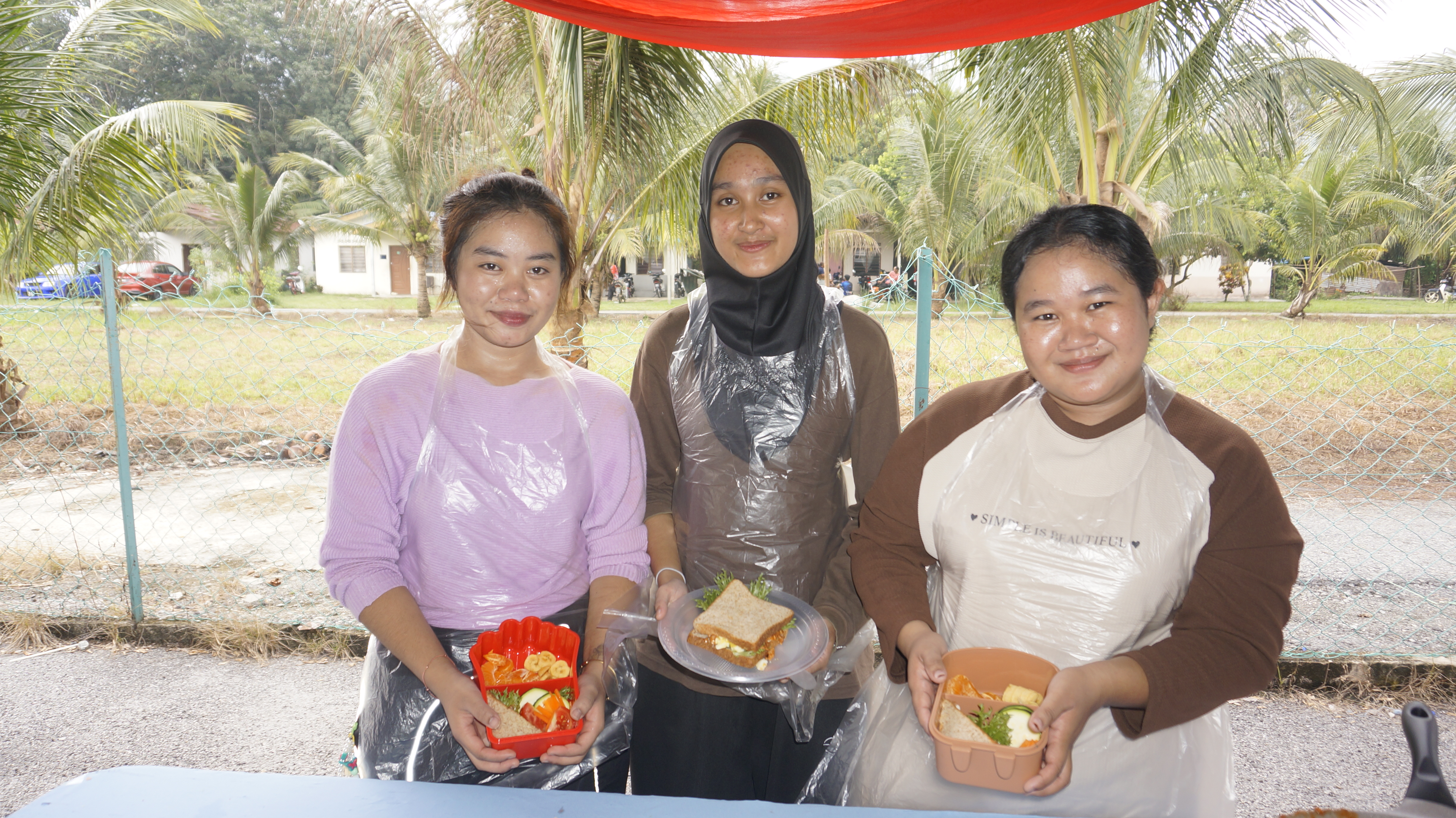
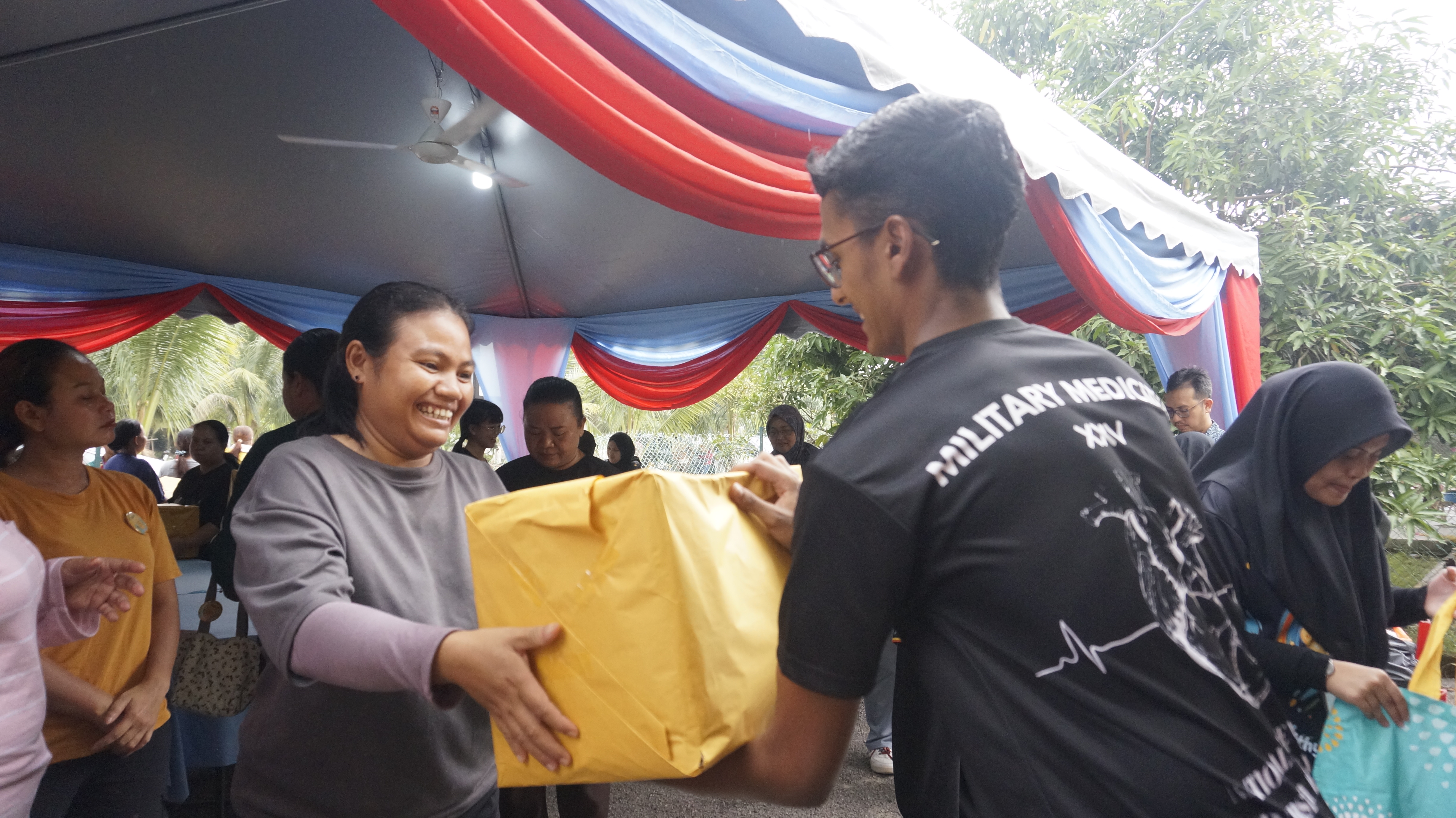
- Phase 4: Digital Innovation & Knowledge Application (11 October, Sunday Afternoon): To integrate technology into their daily lives, we officially launched the SeDaP Digital App for daily health tracking (blood pressure, water intake and stool conditions). To translate theoretical knowledge into practice, we conducted aerobics, probiotic-making (tapai and yogurt) and soap-making workshops. The children were incredibly happy and fully engaged in these hands-on sessions, completely utilizing all our yogurt-making supplies. This was followed by a healthy cooking competition and a lively fun activities such as "Jaguh Kuali Kampung" and "Misi Licin Tembikai". We concluded by distributing "Adult SeDaP Kits" to 70 families, donating blood pressure monitors and training five local "SeDaP Masters" to ensure sustained app usage.
- Phase 5: Post-Carnival Follow-Up (Upcoming Return Visit): To ensure long-term impact and project sustainability, a return visit is scheduled for 1 November 2026. During this visit, we will conduct a simplified KAP (Knowledge, Attitude and Practice) questionnaire to test the community's knowledge retention and gather direct feedback regarding their experience utilizing the SeDaP Digital App. The outcomes were highly positive: Knowledge scores increased by 16.68% (from 11.64 to 13.58/16), Attitude scores by 5.26% and Practice scores by 3.18%. Overall, the community achieved a 7.39% improvement in their total KAP score (rising from 55.03 to 59.10 out of 64), demonstrating the immediate effectiveness of the health intervention.
- Were there unanticipated difficulties? Budget constraints?
- Environmental and Technical Challenges: We faced a major environmental threat when the worsening haze almost forced us to postpone the entire project. Fortunately, the air quality improved just in time for the carnival. Medically, we encountered a technical issue regarding our planned stool sampling collection, which unfortunately prevented us from carrying out that specific diagnostic phase of the program.
- Logistical Challenges (Infrastructure): Upon inspecting the site, we discovered that the village's community hall which served as our main event venue had no electricity supply and the public toilets lacked running water. This posed a major challenge for hosting a 2-day carnival. Fortunately, we managed to overcome this hurdle by reaching out to Tuan Mohd Nizam bin Radzaly, who facilitated our connection with YB Semenyih, who promptly intervened to restore the electricity and repair the water supply before the event commenced.
- Administrative Delays: We experienced an unanticipated delay in receiving the official approval letter from the Department of Orang Asli Development (JAKOA) to conduct our community service program. This late approval compressed our preparation timeline, requiring the committee to adapt quickly and work overtime to finalize our logistical and on-ground arrangements.
- Budget Constraints: Hosting a comprehensive 2-day carnival with health screenings, meals and giveaways for 120 villagers on a limited seed grant was financially tight. However, we successfully mitigated these budget constraints by aggressively seeking alternative funding (such as public crowdfunding and WhatsApp fundraising drives) and securing strategic in-kind sponsorships (e.g., discounted food supplies from Econsave and product sponsorships from Hovid and Yakult) to maximize our resources.
- Language or cultural barriers?
Fortunately, we did not encounter any significant language or cultural barriers during the execution of SeDaP Project. Communication was highly effective, as the Orang Asli community in Broga speaks and understands Bahasa Melayu fluently, allowing our health talks, clinical screenings and interactive booths to run smoothly without the need for translators.
Culturally, our team made a proactive effort to learn about, respect and adapt to their local customs and way of life prior to the event. By approaching the community with deep respect and engaging them through our initial ice-breaking sessions, we successfully bridged any potential cultural gaps. This approach helped us build strong trust and rapport with the villagers, ensuring they felt comfortable and participated actively throughout the carnival.
- What worked well? What didn’t work well?
What worked well: Several aspects of SeDaP Project exceeded our expectations. Firstly, our community engagement was great, we initially targeted 100 participants but successfully engaged 120 villagers. The interactive educational elements, particularly the "SeDaP Drama" and the hands-on workshops, were highly effective and enjoyed by the community. Internally, the event's execution was generally smooth, driven by cooperation and synergy among our committee members across different faculties. Lastly, our proactive approach to securing diverse funding and sponsorships worked incredibly well, allowing us to comfortably support the project's ambitious scope.
What didn’t work well: Conversely, what did not work as well was our highly condensed scheduling. Due to time and spatial constraints at the venue, we tended to pack too many activities and modules into a single weekend. This dense itinerary occasionally felt overwhelming for both the committee members and the villagers. Upon reflection, we realized that we should have allocated more time for pre-event preparation for better space out the layout. In the future, spreading the activities over a longer duration or reducing the concentration of concurrent events would prevent fatigue and allow for a more relaxed engagement at each station.
- How many people benefited or will benefit from your project? Who are these people?
Directly, our project benefited 120 attendees (76 adults and 44 children) and 70 households who received the Adult SeDaP Kits. These beneficiaries are the indigenous villagers of Kampung Orang Asli Broga. Through their direct participation, they gained vital knowledge regarding healthy lifestyles, the importance of personal hygiene, gut health and mental well-being.
It is important to highlight that the total population of the village is approximately 260 residents. While many more villagers expressed a strong desire to participate in the carnival, we unfortunately had to limit direct attendance to 120 individuals due to strict space restrictions and capacity limits at the community hall venue.
Indirectly, however, the project's impact extends to the rest of the 260 villagers who could not be present. They will continue to benefit through our five appointed "SeDaP Masters", local representatives who serve as a continuous bridge between our team and the village. These masters are trained to teach non-attendees how to monitor their daily health status using the SeDaP Digital App, ensuring the entire village population ultimately benefits from the healthy lifestyle awareness.
Furthermore, future communities and student organizations will also benefit from this initiative. We are currently compiling our efforts to develop a standardized "SeDaP Module" so that others can replicate this project elsewhere. To ensure its scalability and protect its intellectual property, the SeDaP Digital App, along with our original aerobics video, the "SeDaP Drama" script, and the workshop modules, will be copyrighted to serve as future references for broader public health interventions.
- What is the long-term impact and sustainability of this project? Is there a future for your project?
The long-term impact of the SeDaP project lies in empowering the community of Kampung Orang Asli Broga to adopt proactive health-monitoring practices and make informed decisions about their health. The critical necessity of this intervention was underscored by our HOAG screening data, which revealed alarming rates of hypertension, impaired glycemic control and metabolic syndrome among the adults. This commitment to long-term well-being was solidified by our immediate clinical follow-ups, by officially referring 33.3% of the highly at-risk patients to permanent healthcare facilities and dispensing initial medications to 70% of the screened cohort, we ensured the community was integrated into a proper, continuous healthcare pathway.
To support sustainability at the community level and directly combat these identified cardiovascular risks, blood pressure monitors were donated to the village and five local community members were trained as “SeDaP Masters” to facilitate peer-to-peer knowledge sharing and encourage the use of the SeDaP Digital App to monitor blood pressure, water intake and bowel habits. The immediate efficacy of this education was proven by our KAP assessment, which demonstrated a solid 7.39% improvement overall, led by a significant 16.68% boost in health knowledge. To evaluate long-term knowledge retention and gather direct community feedback, a return follow-up visit is scheduled for 1 November 2026. These continuous evaluation efforts will help assess the project's ongoing relevance and inform future refinements.
The SeDaP project also has the potential to be expanded beyond Kampung Orang Asli Broga. The team is developing a standardised SeDaP Module to facilitate the adaptation and replication of its health education activities by other community organisations and student groups in other underserved communities. Plans to protect the project's intellectual property include the SeDaP Digital App, the “SeDaP Drama” script, the original aerobics video and the workshop materials, subject to the relevant copyright procedures. With appropriate follow-up, community participation, and institutional support, SeDaP could serve as a replicable community-based health education initiative that promotes sustainable health practices in other settings.
Section II
- In several paragraphs, address each of the following questions:
- How does or will your project contribute to happiness? Short-term? Long-term?
In the short term, happiness was reflected in the lively atmosphere throughout the carnival and the enthusiastic participation of community members. The activities created opportunities for families to learn about health together while fostering positive interactions between the residents and the project team. "This project definitely brings happiness because the Indigenous people won't feel left out or neglected in our society," stated Munawwarah, while Vicknesh added that it succeeded in "uniting people from different backgrounds and cultures to understand everyday life in the city and the village."
Representing the voice of the local community, Village Chairwoman Puan Rubi binti Ilan described the profound short-term joy the program brought: "Melalui program SeDaP ini, kami dapat belajar mengenai masalah usus dan cara penjagaan yang betul... Program seperti ini juga sangat menyeronokkan kerana ia memberi peluang kepada penduduk yang selalunya sibuk di rumah untuk keluar berkumpul, beramah mesra sesama penduduk dan bergaul dengan orang luar."
In the long term, SeDaP aims to cultivate enduring happiness by encouraging healthier daily habits and empowering residents to monitor their health. The SeDaP Digital App, the donation of blood pressure monitors and the training of five local SeDaP Masters provide practical resources to sustain these efforts well beyond the carnival. Furthermore, the restoration of electricity and water supply at the village community hall facilitated through collaboration with YB Semenyih, addressed critical infrastructure needs, for which Puan Rubi expressed her deepest appreciation to YB Tuan Nushi bin Mahfodz.
However, the team also critically acknowledged realistic limitations regarding long-term impact. "Although we may increase their awareness of hygiene and well-being, the long-term impact may be limited if the knowledge is not consistently applied in their daily lives," Ulfa pointed out. While the true long-term effects will require further evaluation, these collective efforts highlight an important lesson: sustainable well-being depends not only on initial health education but also on supportive relationships, practical resources, continuous application and access to essential facilities.
-
- Has your project changed the way you think about the world? How has it changed you?
Leading this project fundamentally shifted the team’s worldview, particularly regarding privilege, health equity and social connection. Initially, many team members assumed that basic health literacy was universally understood because it is commonly taught in urban schools. However, engaging directly with the Orang Asli community revealed stark disparities in exposure to health education. As Wong Qing reflected, "This project made me realise that not everyone has the same level of health awareness. It reminded me not to take my own knowledge for granted and highlighted the importance of sharing health education with the community." Chandravithiyaa echoed this sentiment, noting, "I always thought everyone knew about healthy food and gut health... This experience made me realise that many people still lack exposure to this topic, and we should take more responsibility in educating them."
This realization fostered a deep sense of gratitude and duty among the volunteers. "It made me realise that I often take simple things for granted, such as my ability to understand, learn and communicate with others. It has taught me to be more grateful and understanding towards people from different backgrounds," shared Ulfa. Furthermore, the project challenged preconceived notions about rural communities. Vicknesh noted that the experience "changed my perspective, showing that even villagers in rural areas with limited education and resources are still bright and hardworking." Ultimately, stepping outside of their usual social circles allowed the team to build meaningful bonds, with Munawwarah adding that the initiative taught the team the importance of "acknowledging the lacking among society and how us as people who get the privilege... must be responsible."
Section III
Video
Image Gallery
 0 Days Left
174 Supporters
1 Favourited


