

 Support this Project




 0 Days Left
 9 Supporters
 1 Favourited


The existing community library at the Senai Community Centre is currently underutilized and lacks regular public engagement. At present, the space is mainly used once a week for tuition classes, while remaining vacant for most of the time. Although the library has the basic facilities to serve the community, its outdated appearance, limited activities, and lack of an inviting environment have resulted in very low visitor numbers.
This project aims to revitalize and beautify the library by creating a more welcoming, functional, and attractive community space. Through interior improvements, environmental enhancement, and better space planning, the library will become a place where children, families, and local residents can read, learn, interact, and participate in community activities. The ultimate goal is to reactivate the library as a vibrant community hub that encourages more people to use and enjoy the space.
Vision
To transform the underutilized community library into a vibrant, inclusive, and sustainable community hub where people of all ages can read, learn, connect, and grow together.
Mission
- Revitalize the Community Library
Improve the existing library through space enhancement, beautification, and functional redesign to create a welcoming environment. - Promote Reading and Lifelong Learning
Encourage children, youth, and adults to develop reading habits and participate in educational and creative activities. - Strengthen Community Engagement
Create opportunities for residents, volunteers, and students to collaborate in community programmes and shared experiences. - Encourage Sustainable Practices
Incorporate recycled and upcycled materials into the design to promote environmental awareness and responsible resource use. - Create an Inclusive Public Space
Provide a safe, comfortable, and accessible environment where everyone in the community feels welcome and encouraged to participate.
Activities and Tasks (Project Details)
| Activity | Task Description | Expected Outcome |
|---|---|---|
| 1. Site Cleaning & Preparation | Clean the library, remove unnecessary items, reorganize existing furniture, and prepare the space for renovation. | A clean and organized environment ready for improvement. |
| 2. Interior Beautification | Repaint the walls, improve lighting, and decorate the interior using warm colours to create a welcoming atmosphere. | A brighter, more attractive, and comfortable reading environment. |
| 3. Space Reorganization | Rearrange furniture and bookshelves to create dedicated reading, learning, activity, and relaxation areas. | Better space utilization and improved user experience. |
| 4. Reading & Activity Corner | Build a raised multifunction platform using recycled pallets and plywood, equipped with bean bags for reading, storytelling, workshops, and community activities. | A flexible space that supports learning, creativity, and community interaction. |
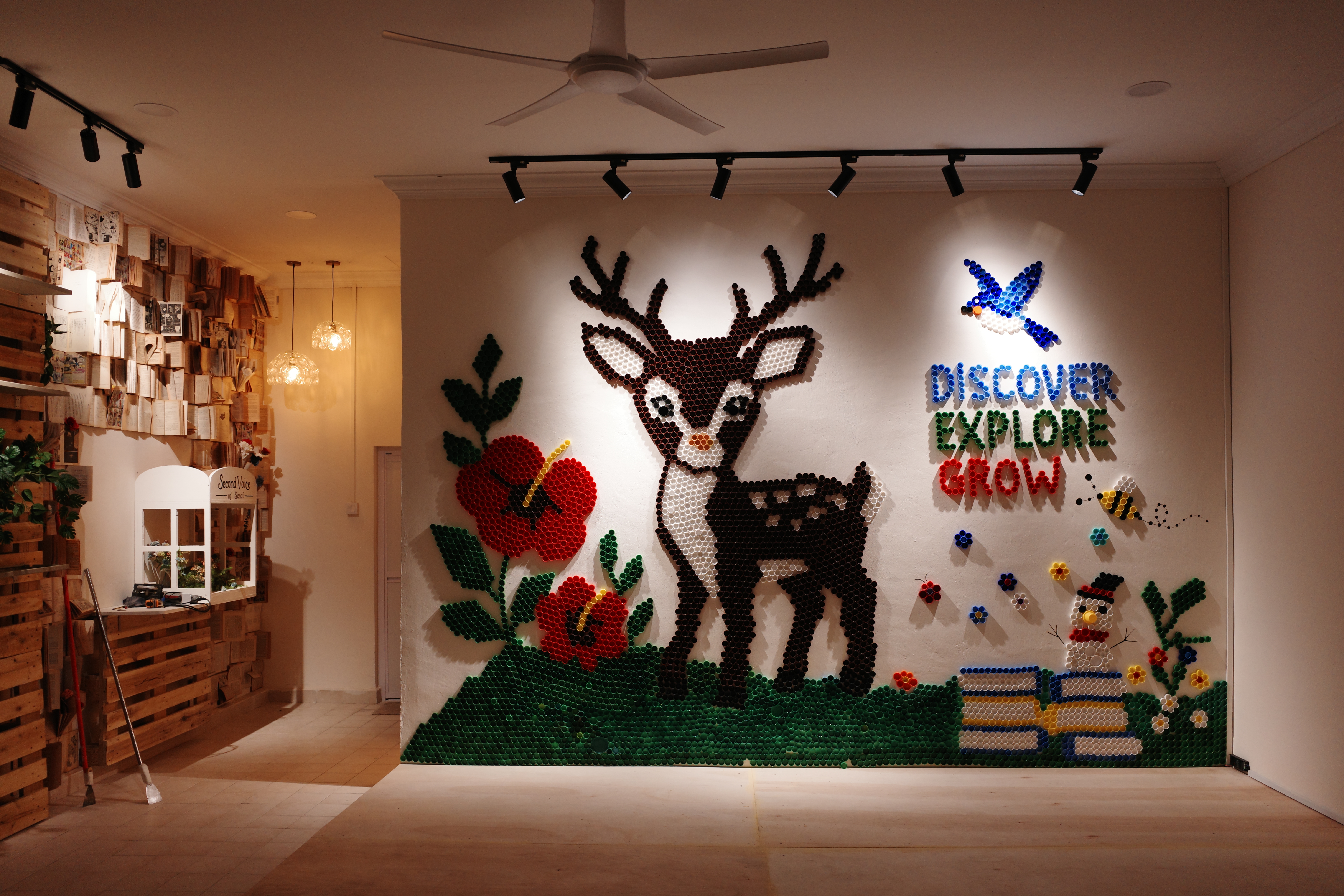
| 5. Community Art Wall | Organise a community art workshop where students and residents create a bottle-cap mural using recycled plastic bottle caps. | A unique artwork that enhances the library while encouraging community participation and environmental awareness. |
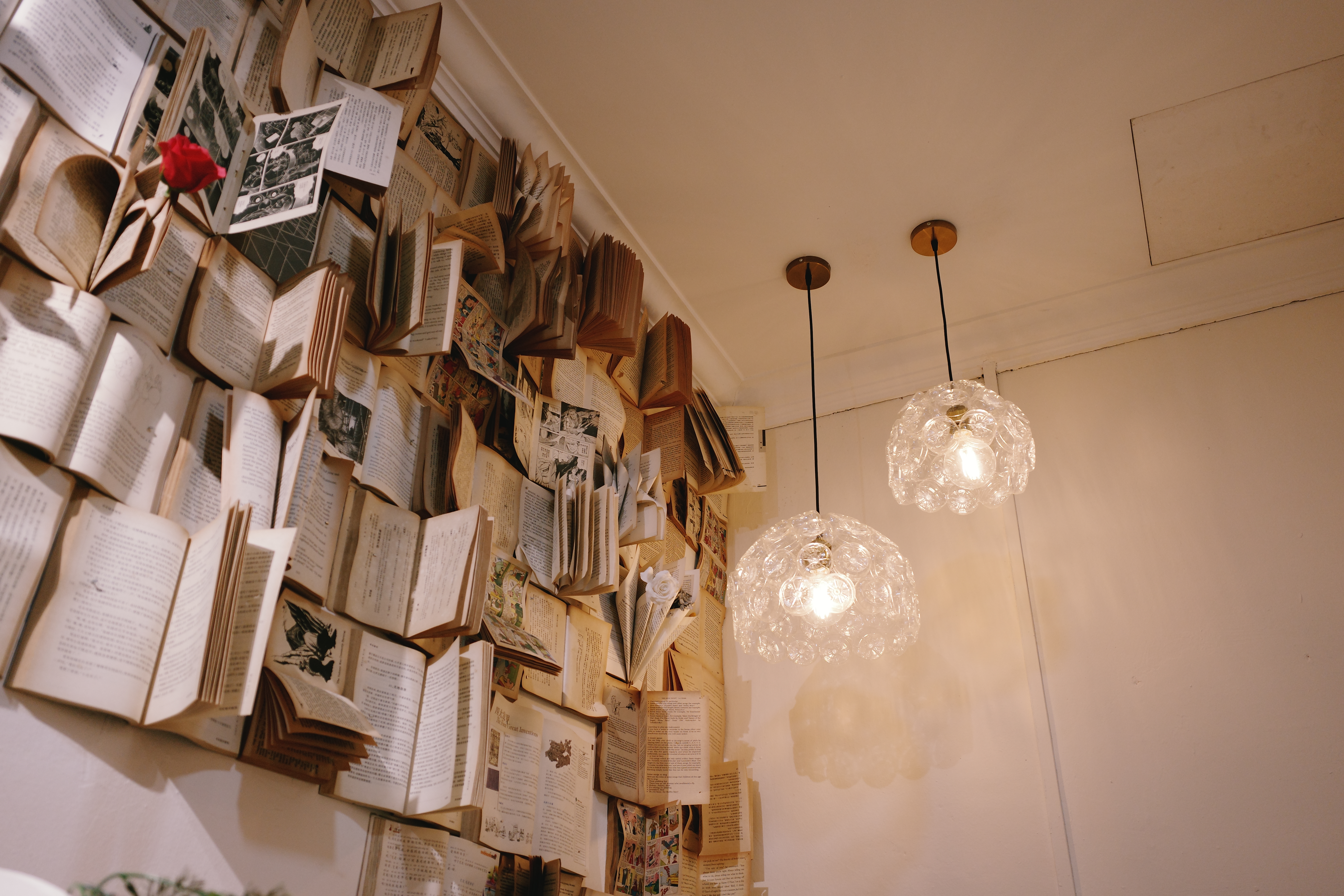
| 6. Eco-Friendly Decoration | Produce decorative lighting and outdoor installations from recycled plastic bottles and other reusable materials. | Attractive decorations that promote sustainability and upcycling practices. |
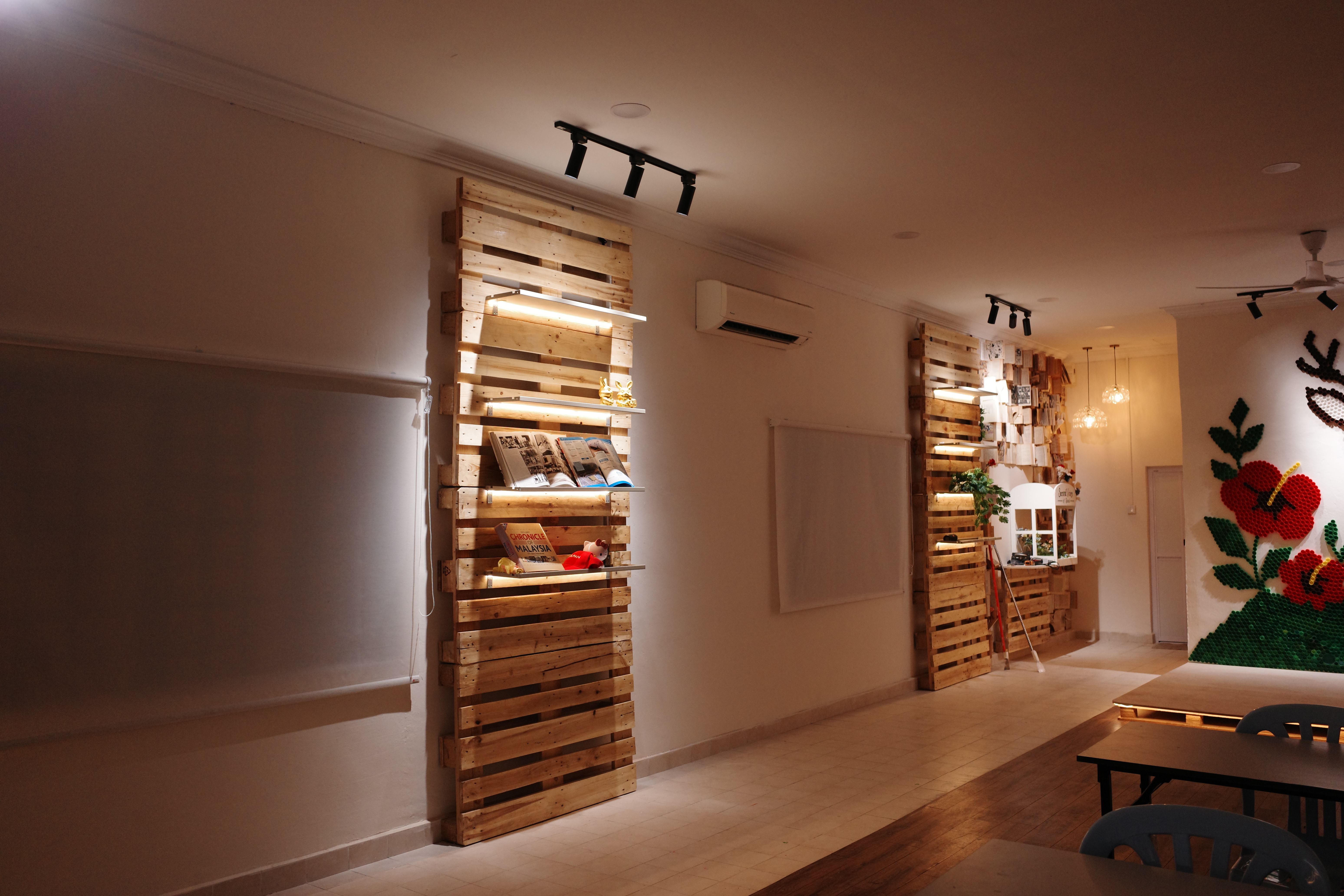
| 7. Storage Improvement | Refurbish existing cabinets and install additional storage shelves using recycled wooden crates. | Better organization of books and learning materials while maximizing available space. |
| 8. Outdoor Enhancement | Paint exterior walls, create a colourful mural, add landscaping, seating areas, and recycled outdoor furniture. | A more welcoming outdoor environment that attracts visitors to the library. |
| 9. Community Engagement Programme | Organise library opening events, reading sessions, storytelling, DIY workshops, environmental education activities, and family-friendly programmes. | Increased community participation and regular use of the library. |
| 10. Project Evaluation & Handover | Inspect the completed project, collect community feedback, and officially hand over the revitalized library to the community committee. | A sustainable and functional community library ready for long-term use. |
| Expected Outcome | Target Indicator |
|---|
| Revitalize the Community Library | Complete the renovation and beautification of one underutilized community library within the project timeline. |
| Increase Library Usage | Achieve at least a 50% increase in visitor numbers within the first three months after project completion. |
| Community Participation | Engage at least 100 community members, including children, parents, students, and volunteers, throughout the project and its activities. |
| Reading and Learning Activities | Organise at least 4 community programmes (e.g., reading sessions, storytelling, DIY workshops, or environmental activities) during the project period. |
| Environmental Sustainability | Reuse and upcycle more than 500 recyclable materials (such as plastic bottle caps, plastic bottles, pallets, and wooden crates) in the library transformation. |
| Volunteer Engagement | Recruit at least 20 volunteers to support cleaning, painting, construction, decoration, and community activities. |
| Improved Community Satisfaction | Achieve at least 80% positive feedback from participants and community members through a post-project survey. |
| Long-term Sustainability | Establish a community-led maintenance plan to ensure the library remains active and well-maintained after the project is completed. |

Project Information
| University name | : | RAFFLES UNIVERSITY |
| Project leader name | : | WONG LI YANG |
| Facebook link | : | https://www.facebook.com/share/1A2DWNNctt/ |
| Instagram link | : | https://www.instagram.com/lost_found_childhood?igsh=MXJheDc5aHpha2E0cA== |
| Location of project held | : | Jalan Senai 7, Kampung Baru Senai, 81400 Senai, Johor Darul Ta'zim |
Section I
1.0 Summary of Project Goals
The Third Place aims to transform an old, unused library in Kampung Baru Senai into a comfortable, welcoming, and child-friendly space for learning and community activities. By improving the library's interior and surrounding outdoor area, the project hopes to encourage children and villagers to use the space more often, support learning, and create a better experience for the local community.
2.0 Did other fundraising efforts contribute to your project? What were they?
Yes. The Third Place received sponsorship and support from the project holder, My Starfish Foundation, the local community group, and Kawasan Rukun Tetangga (KRT) Kampung Baru Senai, which had recently taken over the management of the Senai library. The total funding and support amounted to RM10,684.00. In addition, our group members personally covered some minor expenses to support the project's implementation.
3.0 Provide Details About How Your Project Actually Worked
Throughout the project, our group was actively involved in almost every stage of the process. We began by surveying the existing space and measuring the entire area to understand its conditions and dimensions. Based on our observations, we carried out research and developed our design ideas through repeated planning and redesigning. We continued making adjustments to improve the functionality, appearance, and suitability of the space for the community.
One of our main focuses was reusing existing materials and finding creative ways to reduce waste. We researched reusable and second-hand items available in the library and collected bottle caps for our design. We also approached factories to request leftover materials that could be reused in the project. Instead of relying entirely on newly purchased materials, we tried to transform available resources into useful furniture, decorations, and functional features.
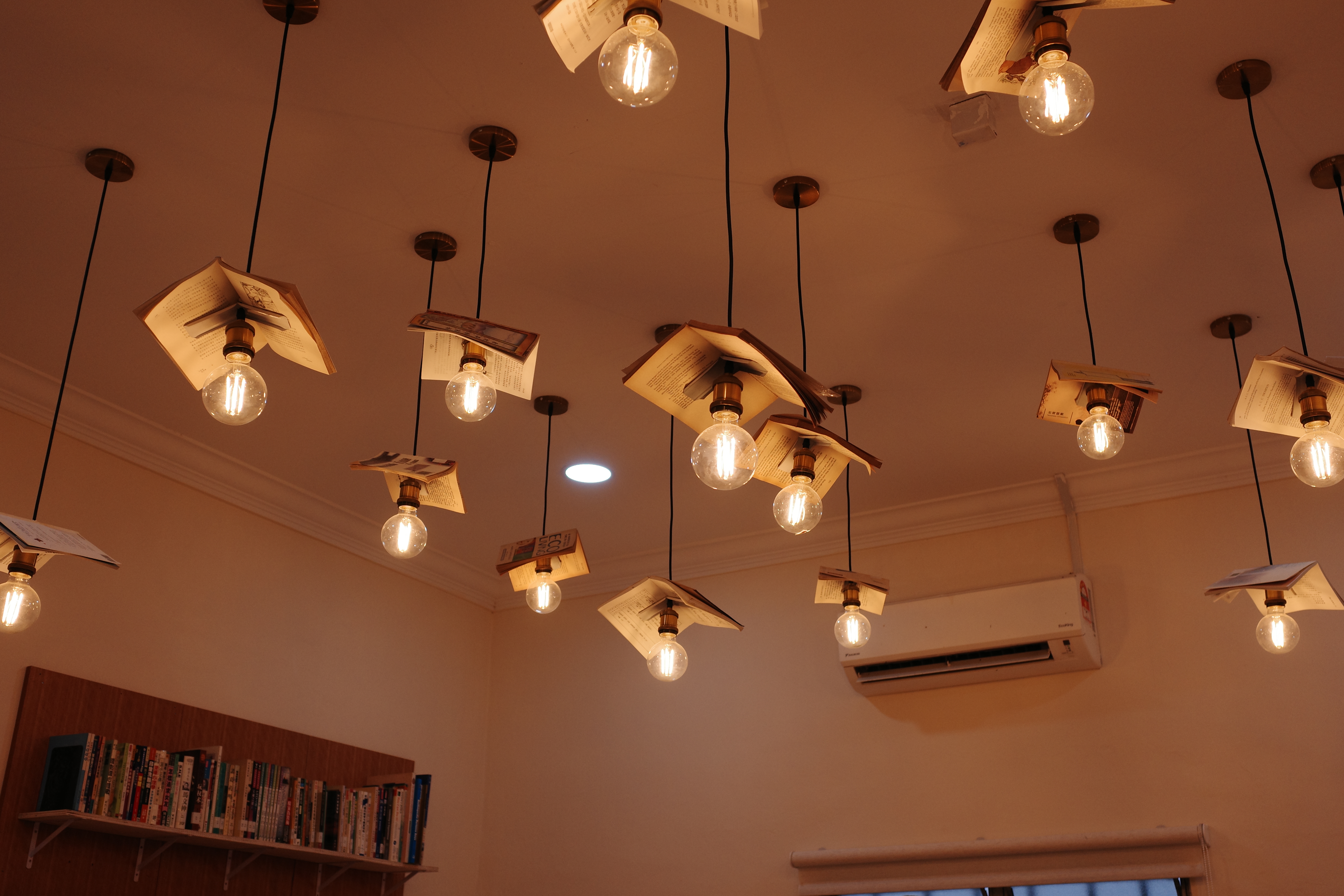
We also participated in the hands-on construction and installation work. Our group made chandelier lights, chairs using old tyres, and a stage, tables, and a desk using wooden pallets. We created cabinet panels and wall cabinets to improve the storage facilities. In addition, we designed and constructed a book-art wall to create a more interesting and meaningful environment for the users.
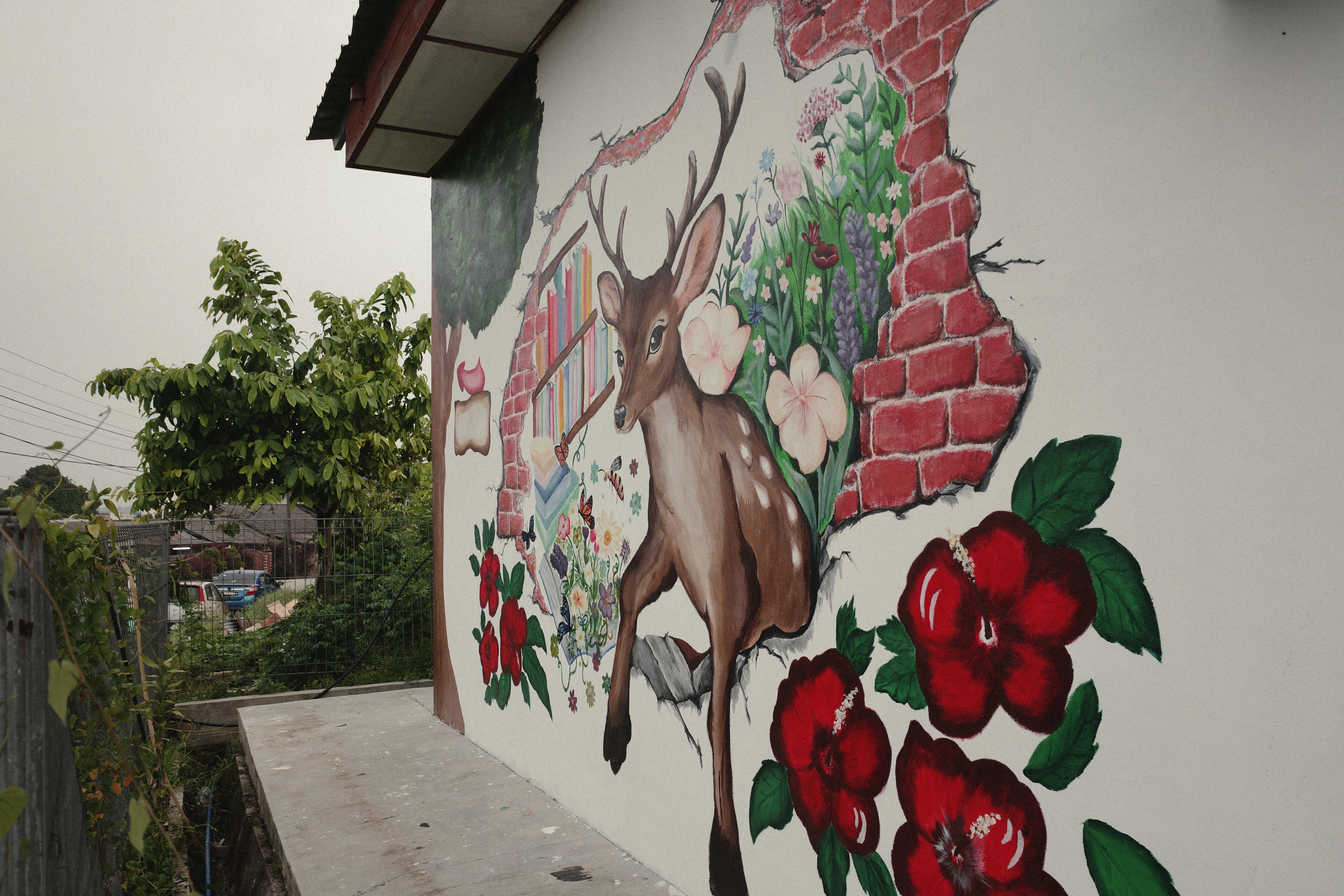
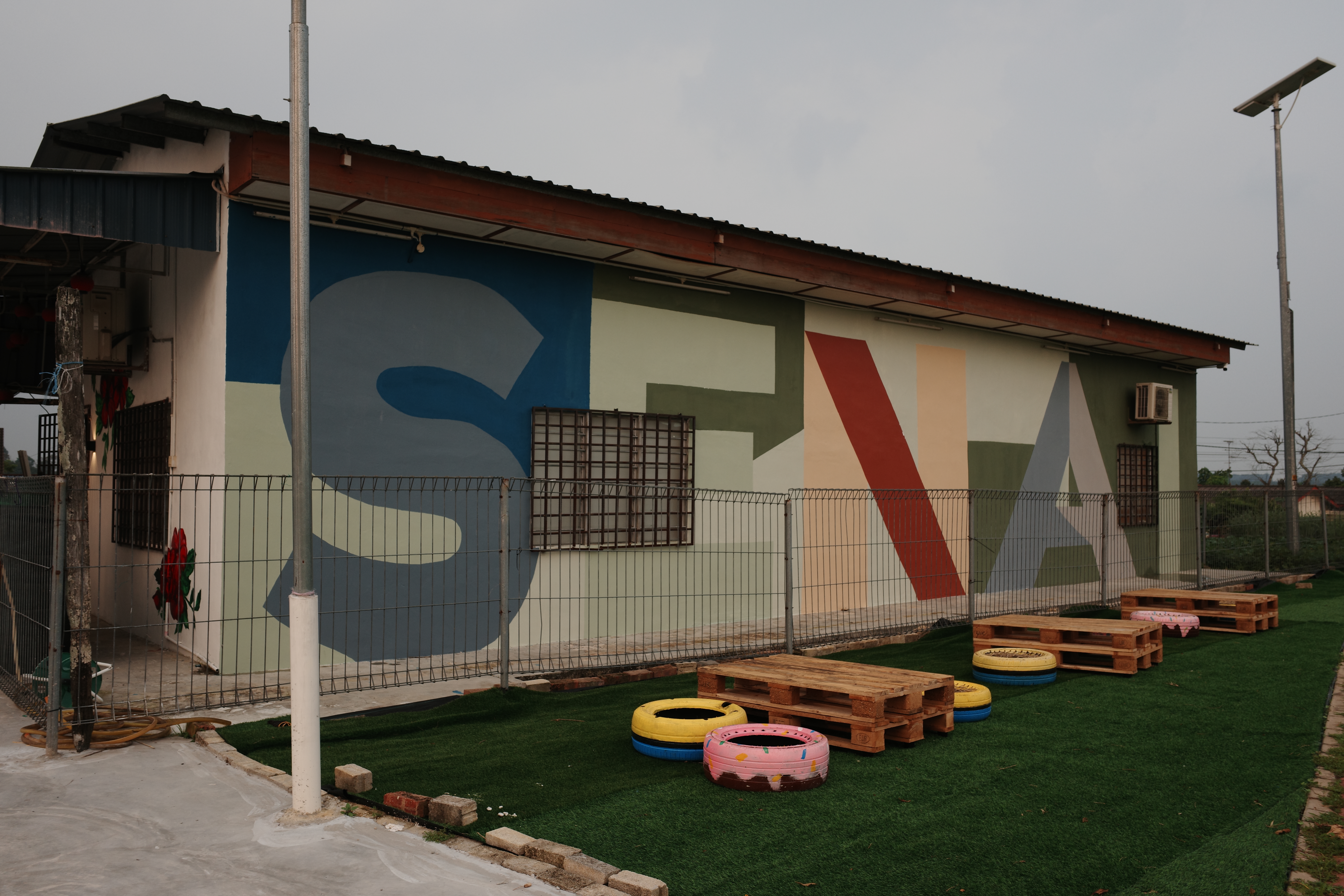
Another important part of our contribution was improving the appearance of the space. We repainted both the interior and exterior areas to make the environment more welcoming. We also created four different artworks on the exterior walls, with the participation of Raffles University students and our friends. These artworks added colour and creativity to the surroundings while encouraging involvement from the university community.
For the outdoor area, we cleared the grass that had been left unattended for a long time, prepared the sand, and installed artificial grass to create a cleaner and more usable space. We also redesigned the lighting arrangement to improve the atmosphere and usability of the area.
Besides the design and construction work, we took responsibility for maintaining the cleanliness of the space. We cleaned the area, mopped the floors, and washed the toilets. Although these tasks were not the main focus of our design work, they were necessary to ensure that the space was clean, comfortable, and ready for use.
Most of this work was completed by our group through our own effort and teamwork. We used our time during semester breaks, outside class hours, and between our other assignments and responsibilities to make progress on the project. The process required repeated planning, research, problem-solving, physical effort, and adjustments whenever challenges arose.
Overall, our experience in developing The Third Place allowed us to apply our interior design knowledge in a real environment. More importantly, it taught us that creating a meaningful community space involves more than producing a good design. It also requires practical skills, resourcefulness, teamwork, patience, and a willingness to carry out both creative and manual tasks to turn our ideas into reality.
4.0 Were there unanticipated difficulties? Budget constraints?
Throughout the development of The Third Place, our group faced several challenges beyond design and construction.
Budget and Personal Expenses
The project fees were quite expensive, which required us to reconsider many ideas and spend considerable time searching for affordable materials and reusable resources. In addition, most of us did not live near the project site, so we had to cover our own food, transportation, and toll expenses throughout the process.
Physical Health and Safety
The physical work also resulted in several injuries. We used a considerable amount of plasters and medicine while carrying out different tasks. Some incidents included falling and spraining an ankle, nearly falling from a ladder, and stepping on a nail. These experiences reminded us of the physical risks involved in hands-on work.
Lack of Sleep and Time Pressure
Time management was another major challenge. We often started working at around 9 a.m. and continued until 9 p.m., midnight, or even 1 a.m. This demanding schedule left us with insufficient rest while we still had to manage our university assignments and other responsibilities.
Damage to Completed Facilities
Near the end of the project, some students damaged our outdoor facilities, including breaking the tyre seats. Fortunately, CCTV footage helped us identify those responsible. They apologised, and we decided to give them another chance. The incident also attracted newspaper coverage, making it an unexpected experience during the project.
Despite these difficulties, our group continued working towards completing The Third Place. The experience taught us the importance of perseverance, responsibility, teamwork, and taking better care of both ourselves and the spaces we create.
5.0 Language and Communication Barriers
As students gaining real-world experience, we had to learn how to communicate with people from different age groups and backgrounds. We interacted with villagers, workers, and salespeople, which required us to adjust our communication styles depending on the situation.
When purchasing materials, we communicated with salespeople and workers to negotiate better prices and find affordable options within our budget. We also engaged with community groups to understand their actual needs, preferences, and expectations for the space. This was important because our design needed to benefit the community rather than simply reflect our own ideas.
These experiences were sometimes challenging because we had to learn how to express our ideas clearly, listen carefully, and understand different perspectives. Through these interactions, we improved our communication skills and learned the importance of respecting the community's opinions when developing a meaningful shared space.
6.0 What Worked Well and What Did Not Work Well
One aspect that worked well was our hands-on approach to designing and developing the space. By carrying out the work ourselves, we were able to turn our ideas into reality while gaining practical experience in construction, painting, furniture-making, and space improvement. Reusing materials such as wooden pallets and old tires also allowed us to create functional features while reducing waste and making better use of available resources. Involving Raffles University students and our friends in creating the exterior wall artworks also encouraged participation and brought creativity into the community space.
However, the process was not always smooth. Our limited budget, demanding schedule, and dependence on available reused materials made planning and implementation more challenging. We also had to revise our designs several times to suit the actual site conditions. In addition, the damage to some of our outdoor facilities near the end of the project showed that maintaining and protecting the completed space could be difficult.
Overall, the roject taught us that successful community design involves more than creating an attractive space. Practical planning, durability, maintenance, and the involvement of the people who use the space are equally important in ensuring that the project remains useful in the long term.
7.0 Beneficiaries of the Project
The main beneficiaries of The Third Place are the community members who use the space, particularly children and other people who need a comfortable and welcoming environment for activities, interaction, and social connection. The improved facilities, seating areas, artwork, and shared spaces provide opportunities for people to gather, relax, and interact with one another.
Raffles University students and friends who participated in the exterior wall artworks also benefited by having the opportunity to contribute their creativity to a real community project. Through this project, we aimed to create a more inviting environment that could be enjoyed by the community.
The project may continue to benefit future users as long as the facilities are properly maintained and the space remains accessible and usable.
Section II
8.0 Long-term Impact and Sustainability
The long-term impact of The Third Place is to provide the community with a more welcoming and functional space for gathering, relaxation, and interaction. By improving the existing environment and introducing usable facilities, the project aims to encourage community engagement and create a stronger sense of belonging.
Sustainability was also considered through the reuse of materials such as wooden pallets and old tires to create furniture and other features. This approach helped reduce waste while showing how existing resources can be transformed into useful designs. The space may continue to serve the community in the future, provided that the facilities are maintained, damaged items are repaired, and users take responsibility for keeping the environment clean and safe.
In the future, the space could be further improved based on feedback from the community and its changing needs. This project taught us that sustainability is not only about choosing reusable materials, but also about designing spaces that can remain useful and meaningful over time.
9.0 Contribution to Happiness
In the short term, The Third Place contributes to happiness by creating a cleaner, more colourful, and welcoming environment for the community. The improved seating, outdoor area, lighting, and wall artworks can make the space more enjoyable to use and provide opportunities for people to relax, gather, and interact with one another.
In the long term, the project aims to support happiness by encouraging social connection and creating a shared space where community members can spend time together. By transforming an existing area into a more functional and inviting environment, we hope to strengthen people's sense of belonging and encourage them to take greater care of their surroundings.
Through this project, we learned that happiness does not always require expensive facilities or complicated designs. Sometimes, improving an existing space and creating opportunities for people to connect can make a meaningful difference to a community.
10. How has the project changed the way we think?
Before this project, we thought that improving a space mainly involved designing a new layout and adding suitable furniture and decorations. However, through The Third Place, we realised that a successful community space is not only about its appearance, but also about how people use it, how it meets their needs, and how it can benefit the community.
Throughout the project, we learned to observe and measure the existing space, research suitable design ideas, and repeatedly improve our design. We also explored the use of reusable and second-hand materials. This helped us understand that creating a meaningful space does not always require buying new materials or spending a large amount of money. Instead, existing resources can be reused creatively to create something useful.
Besides design, this project also changed the way we understand teamwork and responsibility. We handled most of the work ourselves. These tasks helped us realise that improving a community space requires not only creativity and planning, but also practical effort, patience, and cooperation.
Overall, this project taught us to look beyond the design itself and consider the people who will use the space. We now understand that even small improvements can make a difference when they are planned with care and a clear purpose. This experience has encouraged us to become more responsible designers who consider sustainability, functionality, and community needs in our future projects.
11.0 A one to two sentence personal statement, suitable for use as a quotation, addressing how and why this project was valuable and what was the most important thing we learned as a result.
1. Chiew Yee Han — Group Leader
Being the leader of this project while balancing work, classes, and other responsibilities was not easy, especially when I had to communicate with different people, coordinate my teammates, and make sure everything was completed on time. However, meeting new people and working through these challenges taught me that leadership requires patience, responsibility, and teamwork, and I am grateful for everything I have learned throughout this journey.
— Chiew Yee Han
2. Lim Chun Wei — Treasurer
The Third Place taught me that making a project successful is not just about hard work, but also about managing our resources wisely, especially when we had to work within our group's budget and make use of available and reusable materials. I am glad that I could contribute through both the practical work and financial planning, and this experience showed me that even small contributions can make a big difference when everyone works together.
— Lim Chun Wei
3. Kady Mok — Handcraft and Video Editor
Throughout The Third Place project, we tried different ways to turn recyclable materials into useful creations, especially when making our own lights and decorations, which required patience, creativity, and several attempts before we achieved the results we wanted. As the person responsible for handcrafting and video editing, looking back at our footage brought back many memories, from the joyful and funny moments to the touching ones that reminded us of how much effort everyone had put into this project, making me realise how meaningful this journey was for all of us.
— Kady Mok
Image Gallery
 0 Days Left
9 Supporters
1 Favourited


