

 Support this Project



 0 Days Left
 21 Supporters
 0 Favourited

Kelantan records one of the highest prevalences of childhood dental caries in Malaysia viz. 74.6% among preschool children as reported in a study by Dolah in 2020. Dental disease in children can lead to pain, infection, poor nutrition, reduced school attendance, and diminished quality of life.
Despite this, minority and underserved communities such as the Siamese (Thai) community in Tumpat remain underrepresented in targeted oral health promotion programmes. Limited access to preventive education and early screening may contribute to untreated oral health problems.
As a dental student, I believe that oral health is closely linked to happiness, confidence, and overall wellbeing. Early, preventive, and community-based interventions are essential to create meaningful and lasting impact.
Project Objectives:
- To improve oral health knowledge among preschoolers and schoolchildren among the Siamese community in Tumpat.
- To conduct basic dental screenings for early identification of common oral health problems.
- To transfer oral health knowledge to teachers and community leaders through Train of Trainers (ToT).
- To assess oral health related knowledge, attitude and practice (KAP) pre- and post- intervention among teachers, community leaders and parents.
Supporting Sawasdee Smiles is an investment in health equity and cultural preservation for the underserved Thai minority of Tumpat, a community currently at risk due to unknown caries prevalence and linguistic barriers to mainstream healthcare. By integrating clinical screenings with culturally resonant education—facilitated through the local Wat and bilingual resources—this project transitions from a simple dental check-up into a sustainable community ritual that protects children from the debilitating cycle of chronic oral pain and the subsequent financial strain on family livelihoods. Your support empowers a "pioneer intervention" that not only improves the immediate wellbeing and social confidence of these children but also establishes a scalable, data-driven blueprint for how modern medicine can respectfully and effectively serve Malaysia’s unique cultural enclaves.
The project will be implemented within 3-4 months through close collaboration with local schools, preschools, and community leaders within the Siamese community in Tumpat.
Key activities include:
• Pre- and post-intervention survey (questionnaire) to assess oral health related knowledge, attitude and practice (KAP) among teachers, community leaders and parents.
• Train of Trainers 1 (ToT 1) which encompasses delivering lectures on basic oral anatomy, dental caries, gingivitis, healthy diet, oral diseases prevention, and oral hygiene education.
• Train of Trainers 2 (ToT 2) involve interactive dental health education and toothbrushing demonstrations to teachers, community leaders and schoolchildren.
• Distribution of basic oral hygiene kits to encourage daily practice.
• Construct a Wat-Based toothbrushing station for supervised toothbrushing activities.
• Basic dental check-ups to identify dental caries and other common oral conditions, with referral advice provided when necessary.
Expected Outcomes and Impact
• Improved oral health knowledge and awareness among teachers, community leaders and participating children.
• Increased adoption of proper oral hygiene practices.
• Early identification of dental problems, reducing pain and long-term complications.
• Enhanced happiness, confidence, and overall wellbeing among children.
• Stronger engagement between healthcare providers and the community.
Metric and Measurements that will be used to determine the success project
- Health Literacy Gain: We will administer Pre- and Post-Intervention Questionnaire. We aim for a 50% increase in average scores regarding the oral health knowledge, attitude and practices (KAP).

Project Information
| Project leader name | : | SYAWAL FITRI BIN ROSLI |
| Instagram link | : | https://www.instagram.com/sawasdeesmiles_?utm_source=ig_web_button_share_sheet&cplk=ZDNlZDc0MzIxNw== |
| Project implementation date | : | 2026-09-19 |
| Location of project held | : | Pasir Mas, Kelantan |
| Beneficiary | : | Teachers, Community Leaders and Schoolchildren |
| Number of beneficiaries | : | 59 participants, comprising 5 teachers and 54 students and Siamese community members. |
Section I
1. Project Goals and Objectives
The project aims to empower teachers and community leaders in the Siamese community in Pasir Mas through Train-the-Trainer (ToT) programmes and a sustainable oral health education module to improve oral health knowledge among teachers, community leaders, and schoolchildren. It also seeks to facilitate early detection and appropriate referral of common oral health problems through dental screenings, while evaluating the community’s knowledge, attitudes, and practices (KAP) to assess the programme’s impact and sustainability.
2. Additional Funding and Collaborative Partnerships
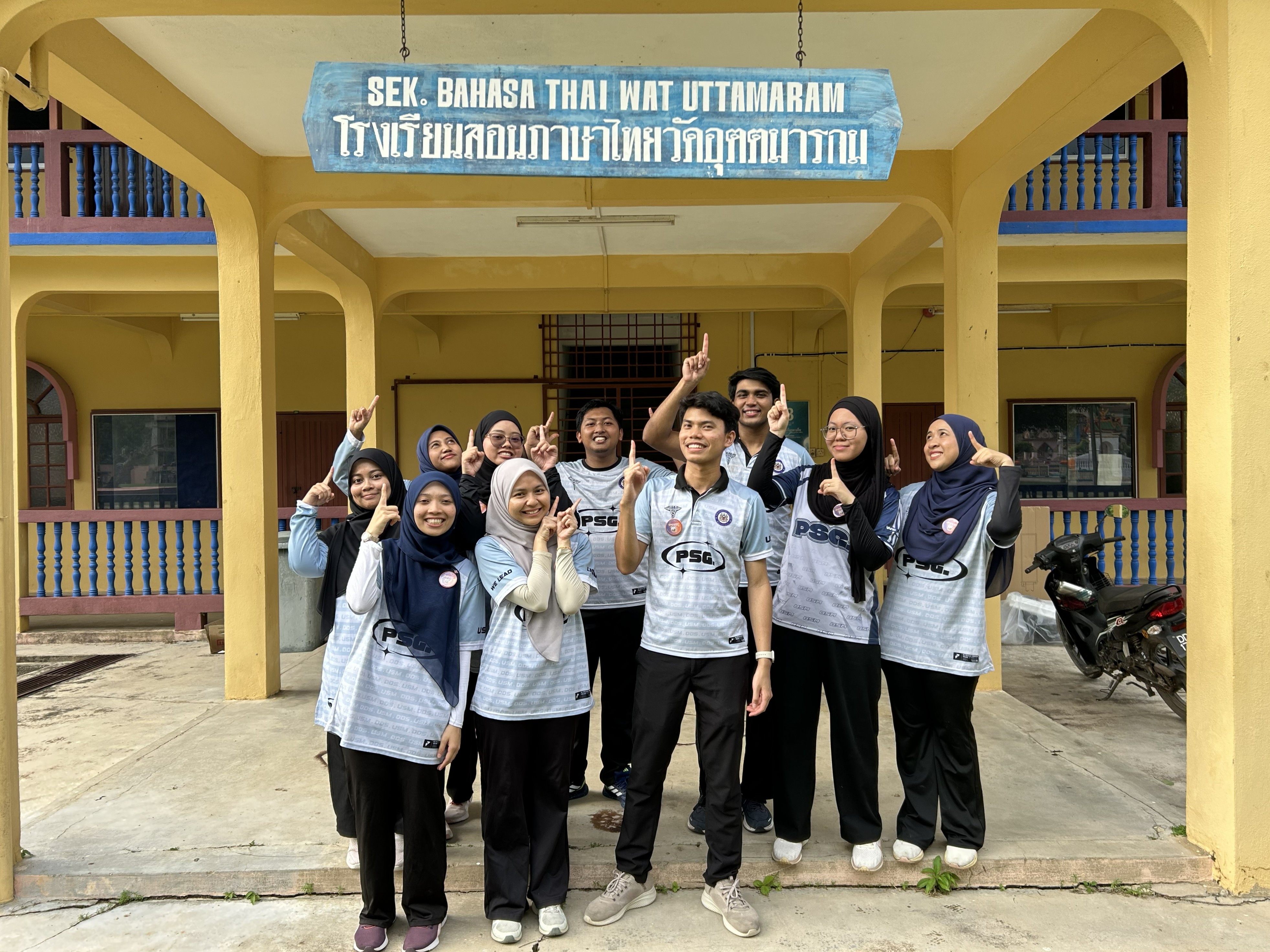
The programme was primarily funded by MyStarfish Foundation and further strengthened through collaborative support from Haleon and Pertubuhan Gabungan Bantuan Bencana NGO Malaysia (BBNGO). BBNGO contributed approximately 100 towels, while Haleon donated approximately 330 tubes of toothpaste to support the programme’s oral health promotion activities and distribution of oral hygiene supplies to the Siamese community in Pasir Mas. These contributions complemented the programme’s efforts to improve access to oral health education and encourage good oral hygiene practices. The School of Dental Sciences, Universiti Sains Malaysia (USM), also collaborated with key community stakeholders, including the Siamese Community Leader, Chief Monk, and Headteacher of Sekolah Bahasa Thai Wat Uttamram, to facilitate community engagement, programme coordination, and sustainable implementation.
3. Project Implementation and Key Activities
Wat-based Toothbrushing Station
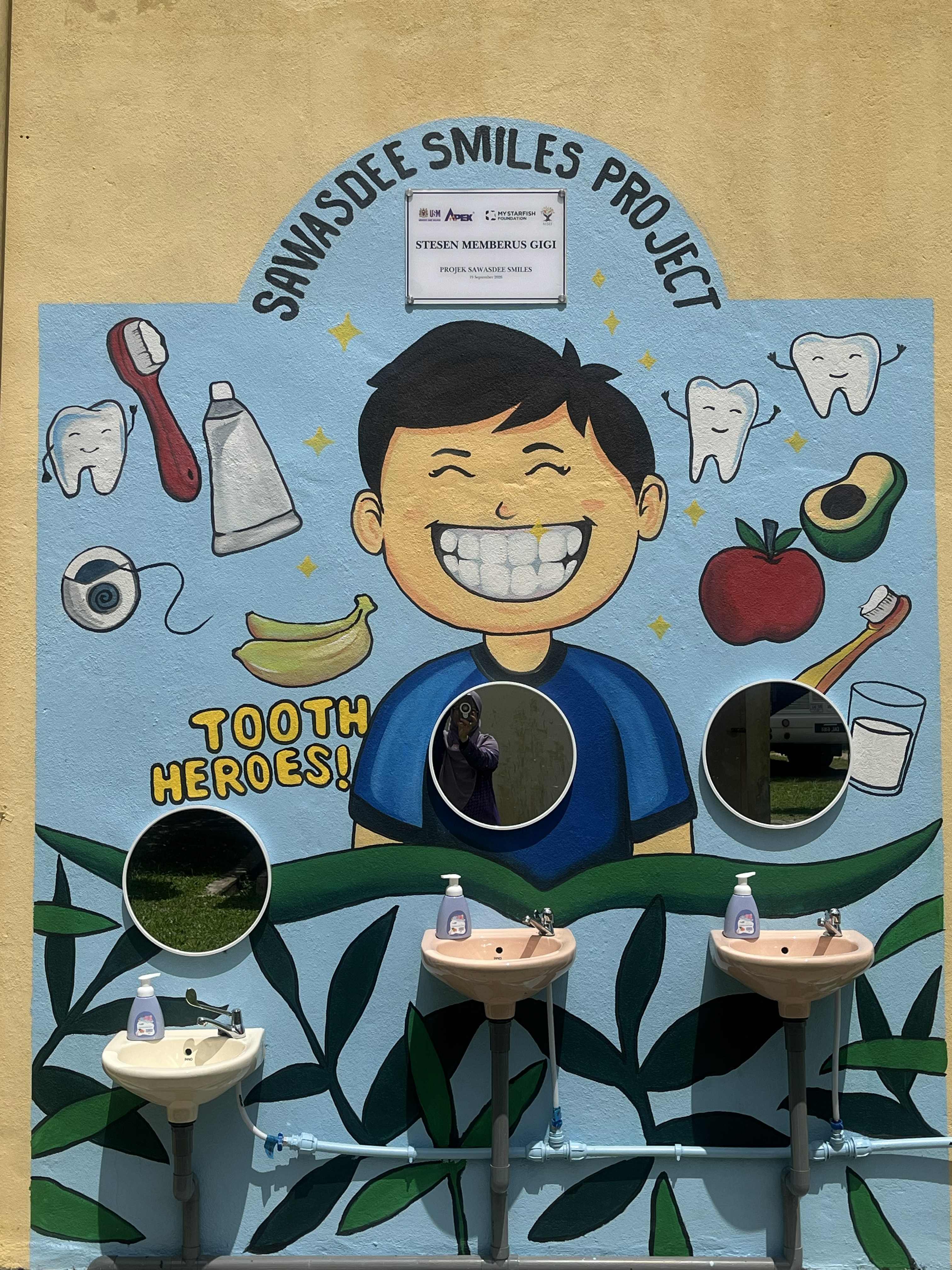
As part of the sustainability plan, a Wat-based toothbrushing station was developed to provide the community with a permanent facility for practising good oral hygiene beyond the completion of the programme. The station serves as a continuation of oral health education, allowing children to apply and reinforce the toothbrushing knowledge and skills gained throughout the intervention. The development of the station was carried out in close collaboration with the community leaders, school principal, and Tok Sami of the Siamese community. Following discussions with the community representatives, a designated blank wall area within the Wat compound was provided for the establishment of the toothbrushing station.
The development process was implemented in several stages. First, three sinks and the necessary water supply system were installed at the designated area. The station was designed to accommodate children of different age groups, with two sinks positioned at an appropriate height for schoolchildren and one lower sink designed specifically for preschool children. Following the installation of the sinks and water system, the surrounding wall was transformed through a purpose-designed oral health mural featuring colourful and child-friendly visual elements. A customised signage bearing the title “STESEN MEMBERUS GIGI” was subsequently installed to clearly identify the facility and strengthen its visibility within the community.
On the programme day, three circular mirrors were installed above the respective sinks, completing the toothbrushing station and allowing children to observe and practise their toothbrushing techniques more effectively. Overall, the Wat-based toothbrushing station represents a sustainable, community-owned component of SAWASDEE SMILES, providing an accessible space where children can continue practising proper oral hygiene on a regular basis. By integrating oral health education into the community environment, the facility aims to support the continuation of healthy toothbrushing habits and promote long-term oral health awareness among children in the Siamese community.
Train of Trainers for Teacher (TOT 1)
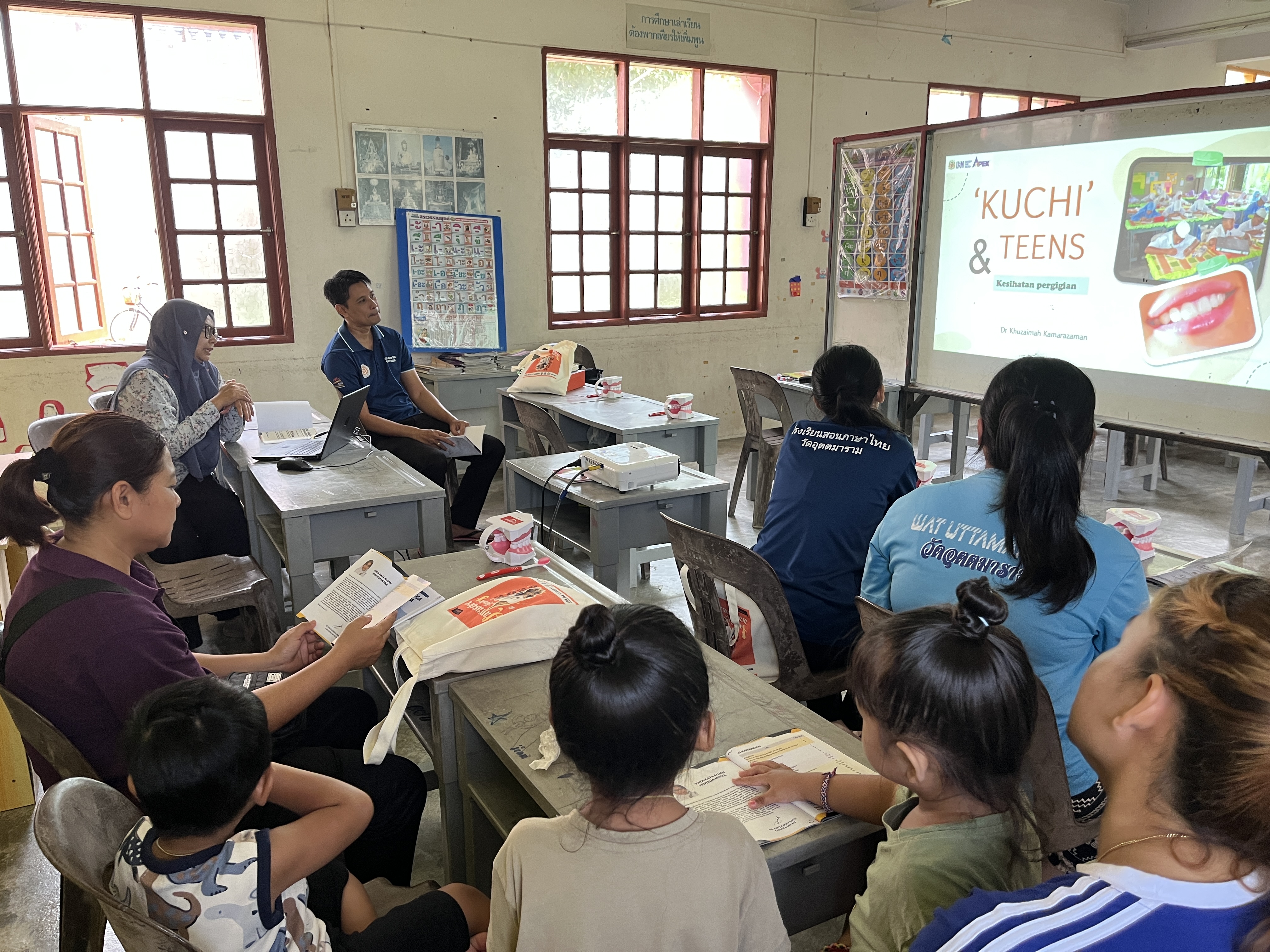
The Training of Trainers (ToT): Oral Health Education Workshop, Toothbrushing Demonstration and Practical Training was conducted in the classroom of Sekolah Bahasa Thai Wat Uttamaram, Pasir Mas, Kelantan, involving five teachers. The session aimed to equip teachers with essential oral health knowledge and practical skills while supporting the sustainability of the programme through the development and delivery of a structured oral health education module.
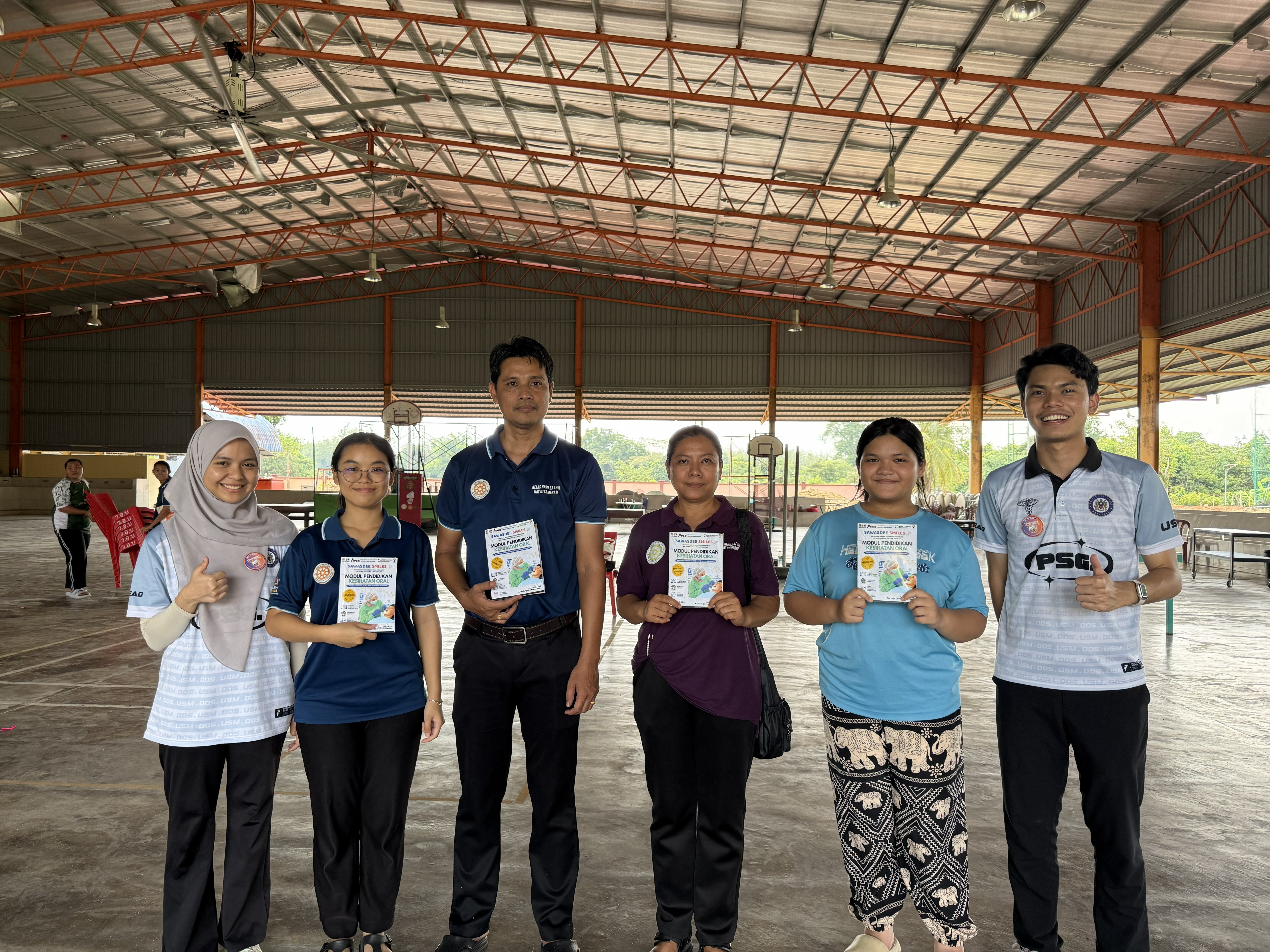
The first session focused on strengthening teachers’ understanding of basic oral health knowledge through a small-group discussion conducted in the classroom. The session was facilitated by Dr Khuzaimah, Dental Public Health Specialist, with assistance from Nur Najla Qistina and Puan Azlena. A structured oral health education module developed by Syawal Fitri bin Rosli and Nur Najla Qistina was used as a reference and teaching resource throughout the session.
The training adopted an interactive and two-way communication approach, with emphasis placed on questions, discussion and sharing of experiences rather than a conventional lecture-based format. This approach encouraged active participation and allowed teachers to relate the oral health topics to their experiences in teaching and interacting with children.
The key topics covered included basic oral and dental anatomy, common oral diseases, their causes, signs and symptoms, potential complications, preventive and interceptive measures, and appropriate oral hygiene practices. Particular emphasis was placed on proper toothbrushing techniques and the importance of using fluoridated toothpaste as part of daily oral health practices.
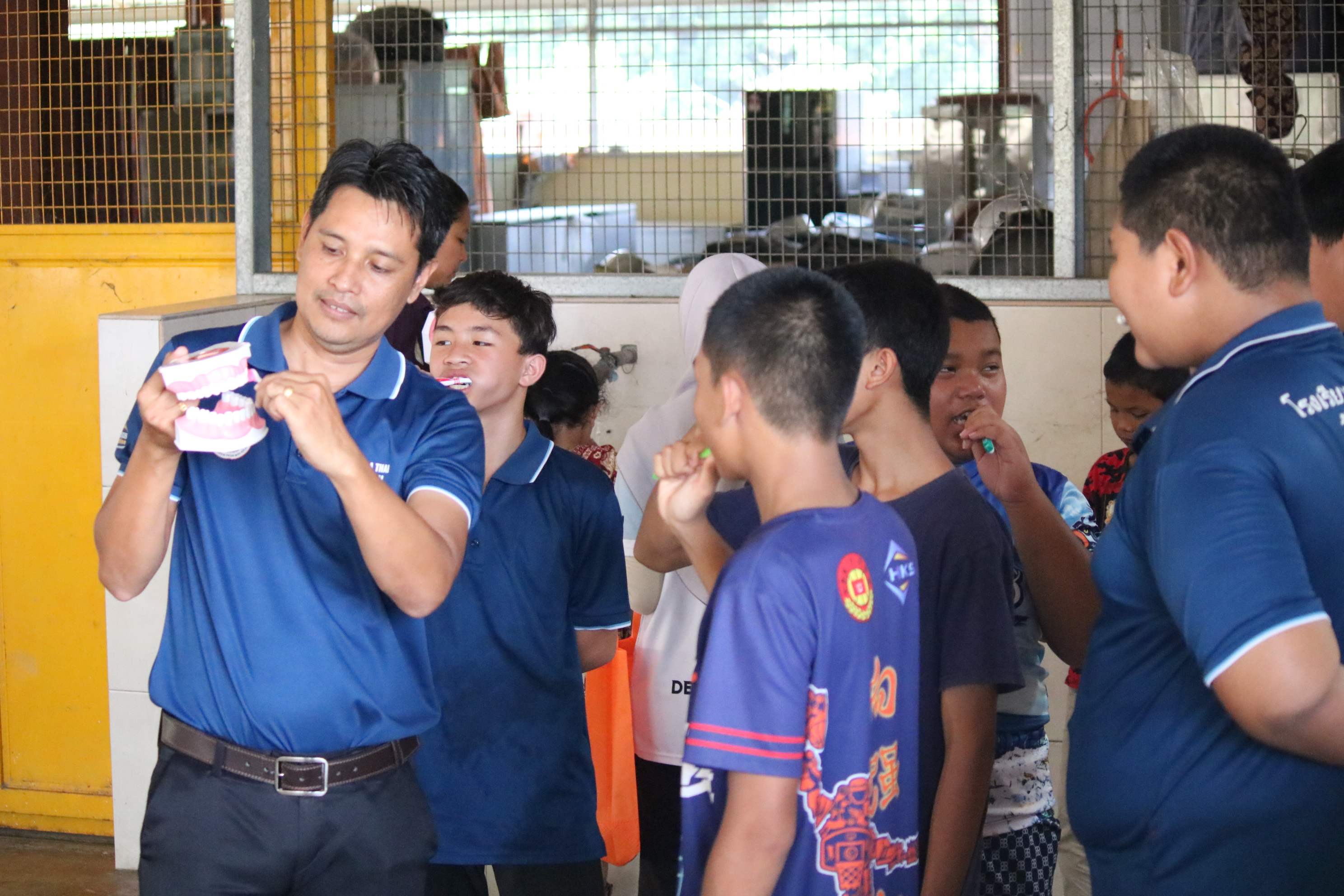
Following the theoretical session, a toothbrushing demonstration and practical training were conducted using tooth models and toothbrushes provided during the programme. Teachers were introduced to the Modified Bass technique and Fones technique, with demonstrations provided to illustrate the correct brushing movements and areas that should be adequately cleaned.
Teachers were also introduced to the spool flossing technique and were given an opportunity to practise the technique under guidance. The practical component was designed to translate the knowledge gained during the workshop into practical skills that could subsequently be demonstrated and reinforced among children.
The practical session was supported by the participating dental students, who provided individual guidance and assistance during the return demonstration. Each teacher was given the opportunity to demonstrate the techniques learned, allowing the facilitators and students to provide immediate feedback and correction where necessary.
Overall, the ToT session provided teachers with both knowledge and hands-on skills to support the delivery of oral health education within the school setting. By equipping teachers to independently reinforce appropriate oral hygiene practices and oral health messages, the training aimed to promote continued oral health education among the children beyond the duration of the Sawasdee Smile programme.
Train of Trainers 2 (TOT 2)
Following Training of Trainers (ToT) Session 1, which focused on providing oral health knowledge and practical training to the teachers, ToT Session 2 was conducted to allow the teachers to apply the knowledge and skills they had gained from the previous session. As indicated by its name, ToT Session 2: Teacher-Led Oral Health Education and Practical Module with Students, this session involved both teachers and students under the supervision of Dr Khuzaimah. The main objective was to ensure that the teachers were able to deliver oral health education and demonstrate effective toothbrushing techniques to the children according to their age groups. The Modified Bass technique was introduced to the older children, while the Fones technique was demonstrated to the younger children to ensure that the techniques were appropriate for their level of understanding and motor skills.
The activity was conducted through a supervised toothbrushing session involving approximately 8–10 students in each group, with two teachers providing the toothbrushing demonstration. At the beginning of the session, each student was given a toothbrush and toothpaste to be used during the activity. By applying the knowledge gained from ToT Session 1, the teachers explained the correct toothbrushing techniques to the students step by step in their native language. This allowed the children to understand the instructions more easily and follow the demonstrations accordingly. Having a smaller number of students in each group also enabled the teachers to provide more individual attention and allowed the children to ask questions related to their oral health. Based on the observations during the session, both the children and teachers showed enthusiasm towards the activity. The children appeared to enjoy practising toothbrushing together with their friends, which helped create a more interactive and enjoyable learning environment. Meanwhile, the teachers demonstrated confidence in guiding the children, with supervision and support from Dr Khuzaimah throughout the activity. This practical session provided an opportunity for the teachers to apply their previous training while allowing the children to practise the correct toothbrushing techniques through direct demonstration and guidance.
In addition, a structured toothbrushing session was introduced as part of the programme's sustainability component. This initiative aimed to encourage the teachers to continue conducting toothbrushing activities with the children beyond the duration of the programme. By incorporating regular toothbrushing into their daily routine, the teachers could reinforce the oral health knowledge gained during the programme and encourage the children to develop better oral hygiene practices. Overall, this session not only strengthened the teachers' role in delivering oral health education but also provided an opportunity to establish sustainable oral health practices within the Siam community.
Dental Screening
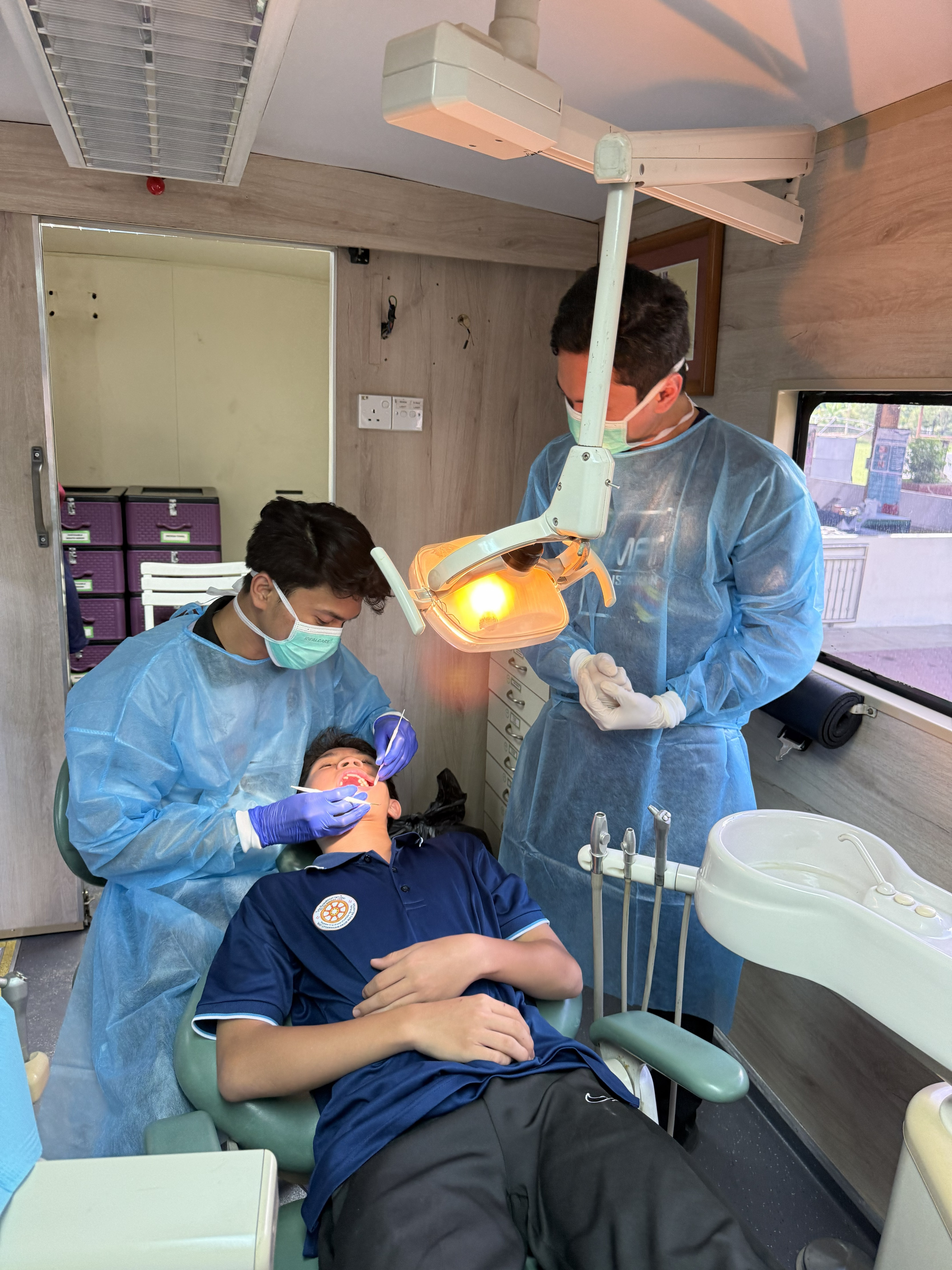
The Free Dental Screening Programme, organized by the School of Dental Sciences, Universiti Sains Malaysia (USM) as one of the components of the Sawadi Smiles Programme, was conducted to promote oral health awareness and provide accessible dental care to the Thailand school community. The screening was open to students, parents, and teachers, allowing participants to receive a basic assessment of their oral health status. The screening included an examination of the teeth, gingiva, and oral cavity to identify common dental problems such as dental caries, plaque-induced gingivitis, and other oral conditions requiring further attention. Participants were also provided with appropriate oral health education and advice on maintaining good oral hygiene, including proper toothbrushing techniques, dietary practices, and the importance of regular dental visits.
The programme also served as an important platform for health promotion, early detection, and community engagement between USM’s School of Dental Sciences and the Thailand school community. Through the screening, individuals with suspected or existing dental problems could be advised to seek further examination and treatment at an appropriate dental facility. Beyond identifying oral health conditions, the activity aimed to increase participants’ knowledge and awareness of preventive dental care and encourage healthier oral health behaviours within the family and school environment. Overall, the free dental screening contributed to the objectives of Sawadi Smiles by bringing dental services and oral health education closer to the community while strengthening collaboration between dental students, healthcare professionals, teachers, parents, and students.
Dental Health Booth
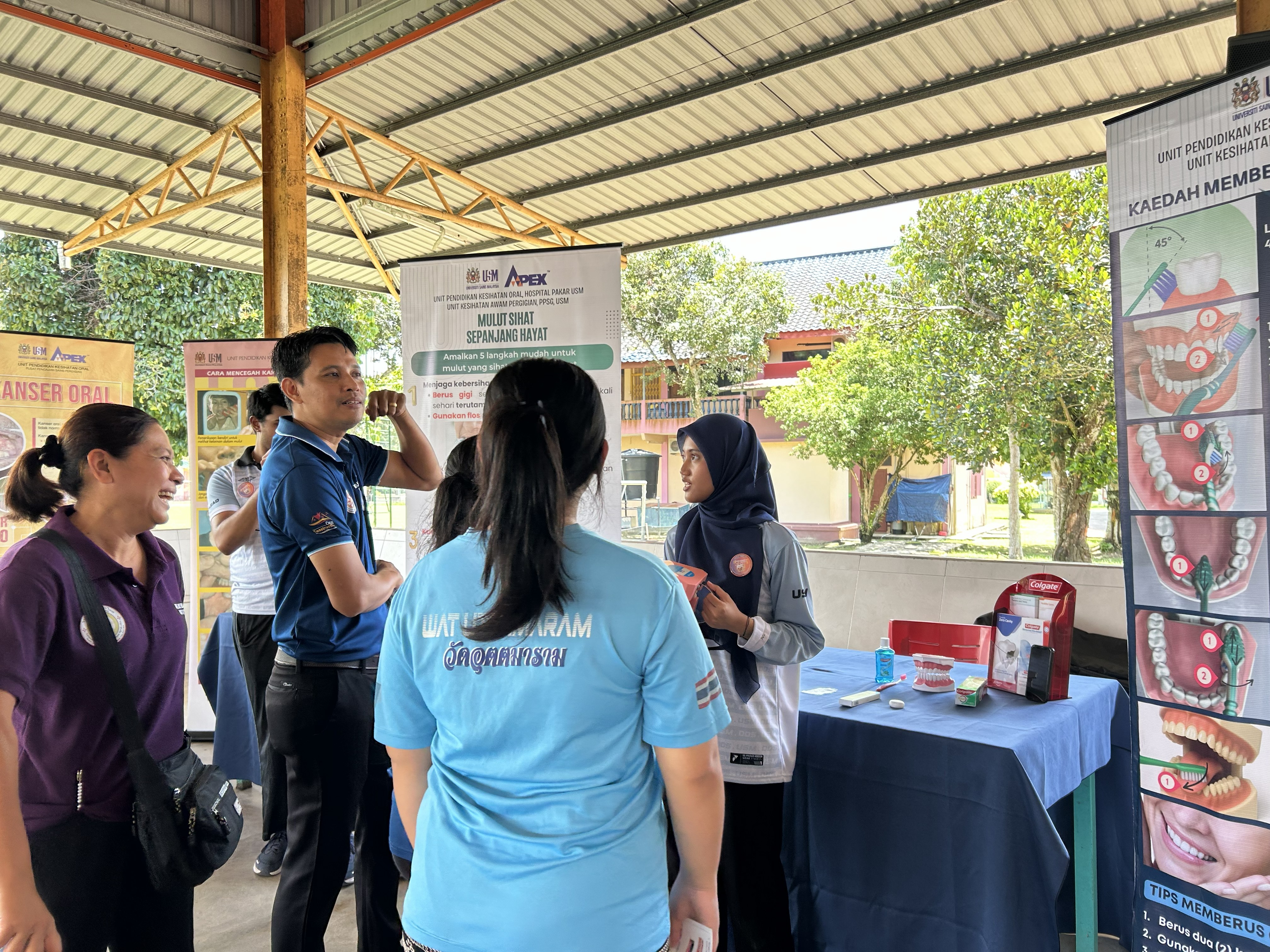
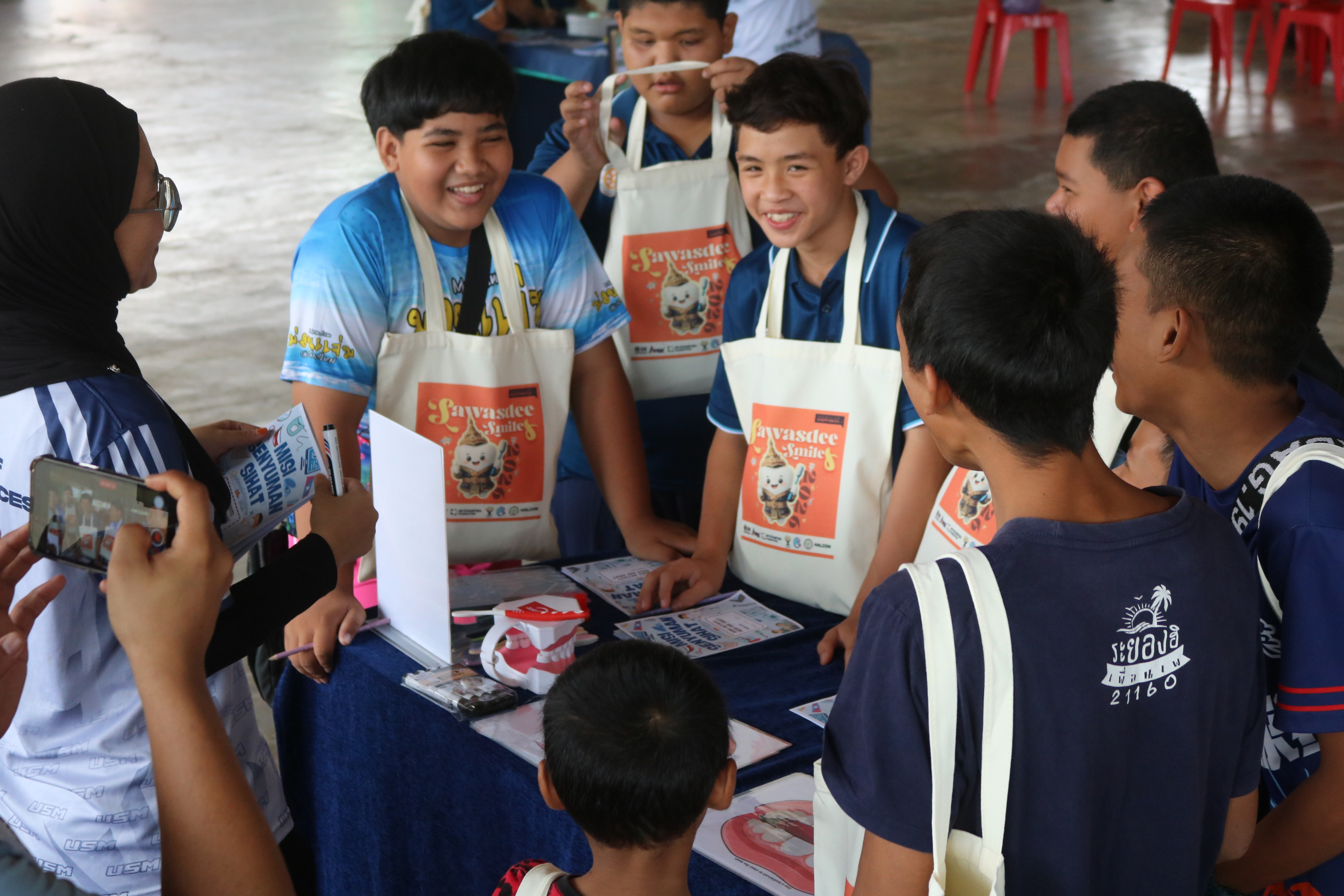
A dedicated Dental Booth was conducted to provide children, teachers and community members with accessible and practical oral health information. The booth consisted of four educational stations: “Kenali Gigi Kita”, “Senyum Lebih Sihat”, “Makan Bijak, Senyum Sihat” and “Jom Jaga Senyuman”. The educational content was presented through bunting displays, visual materials and interactive explanations to facilitate understanding and encourage engagement among the participants.
The first booth which is “Kenali Gigi Kita”, focused on common oral diseases particularly dental caries and periodontal disease. Participants were introduced to the causes, signs, risk factors, prevention and basic treatment of dental caries, as well as the differences between gingivitis and periodontitis. The importance of maintaining good oral hygiene, reducing sugary food intake and seeking appropriate dental care was emphasised.
The second booth which is “Senyum Lebih Sihat”, focused on oral cancer awareness. Information regarding common risk factors and warning signs, including persistent oral ulcers, red or white patches, lumps, swelling and unexplained bleeding, was presented. Participants were encouraged to seek professional assessment for persistent or unusual oral changes, while the importance of avoiding tobacco and smoking was also reinforced.
The third booth, “Makan Bijak, Senyum Sihat”, highlighted the relationship between diet and oral health. The Malaysian Food Pyramid and “Suku-Suku Separuh” concept were incorporated to promote balanced dietary practices. Participants were guided to identify foods that are beneficial to oral health and those that should be limited, particularly sugary snacks and drinks. The importance of reducing the frequency of sugar consumption in preventing dental caries was also highlighted.
The fourth booth, “Jom Jaga Senyuman”, consolidated the main preventive oral health messages of the programme. These included effective toothbrushing, flossing, the use of fluoridated toothpaste, reducing sugary food and drinks, regular dental check-ups, and avoiding tobacco and smoking. A modified toothbrushing technique was also demonstrated to reinforce correct brushing practices and the importance of cleaning all tooth surfaces systematically.
The Dental Booth therefore complemented the Training of Trainers (ToT) component by providing teachers with additional, practical oral health information that could be incorporated into their interactions and educational activities with the students.
Oral Health Talk for Schoolchildren
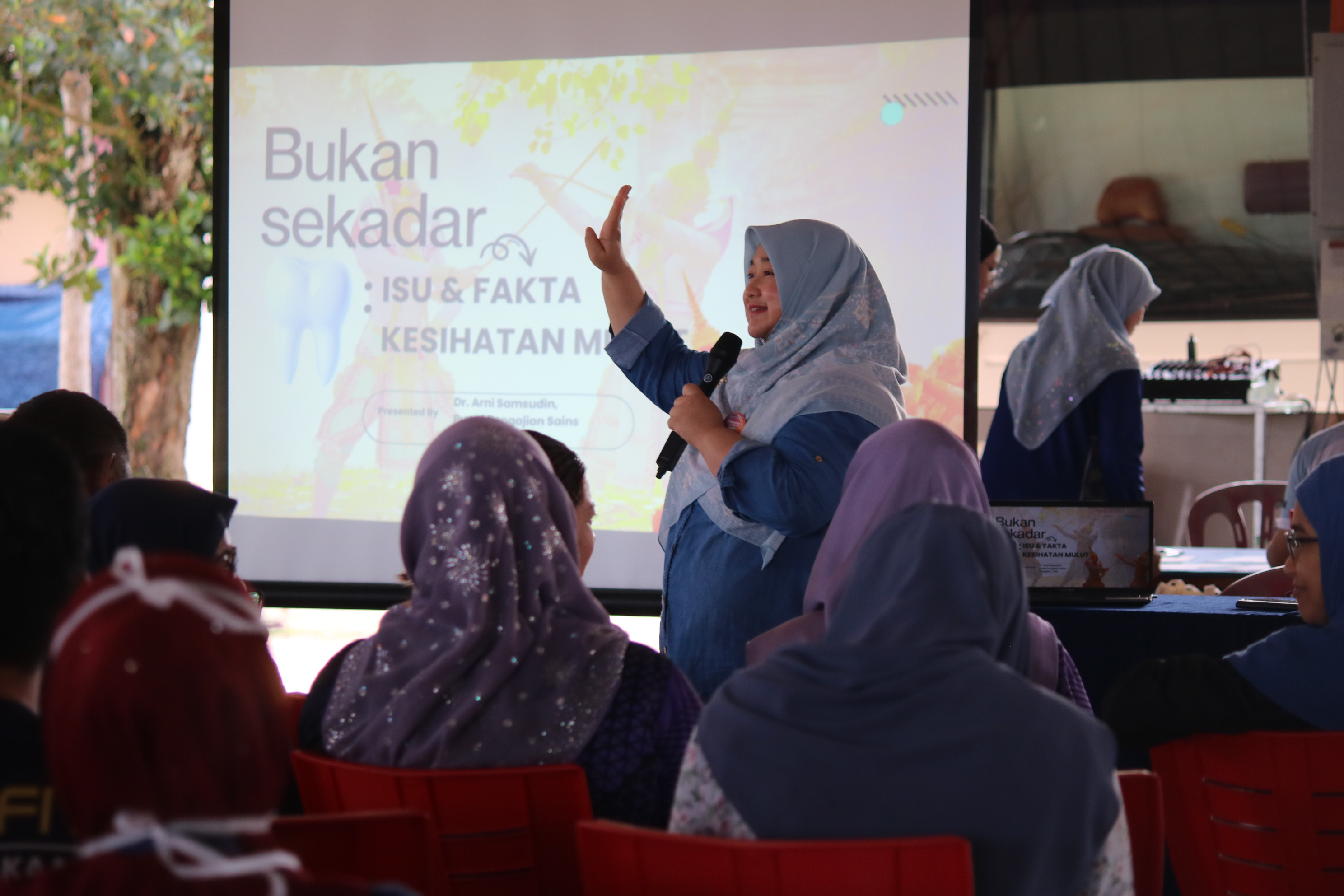
An oral health talk was delivered by Dr. Norsamsu Arni Samsuddin, Paediatric Dental Specialist, to educate schoolchildren on the importance of maintaining good oral health. The session covered basic dental knowledge, proper toothbrushing techniques, and healthier food choices to prevent common oral health problems, particularly dental caries and gum diseases.
To reinforce learning and encourage active participation, the session concluded with an interactive quiz based on the topics presented. Students who answered the questions correctly received prizes as a token of appreciation. This engaging approach helped make oral health education more enjoyable while encouraging participants to retain and apply the knowledge gained in their daily lives.
Station Games and Interactive Oral Health Education
Four interactive educational stations were conducted during the programme to enhance participants’ understanding of oral health through engaging, hands-on learning activities. The four stations were “Kenali Gigi Kita,” “Hero Gigi Bersih,” “Makanan Sihat, Senyum Sihat,” and “Lawatan ke Doktor Gigi.” Before the activities began, each participant received an activity booklet to complete at every station, reinforcing key learning points and encouraging active participation. Upon completing all four stations, participants received a button badge as a token of appreciation for their participation.
Station 1: Kenali Gigi Kita
This station focused on introducing participants to basic tooth anatomy and oral health knowledge. Participants took turns spinning a Wheel of Fortune, with the number indicated determining the question they had to answer. Questions covered the structure and anatomy of teeth, different types of teeth, and their respective functions. This game-based approach encouraged active learning, tested participants’ existing knowledge, and helped them understand the importance of each type of tooth.
Station 2: Hero Gigi Bersih
This station aimed to develop participants’ practical skills in effective toothbrushing. Laminated sheets featuring illustrations of teeth were marked with whiteboard markers to represent dental plaque. Participants were then instructed to remove the simulated plaque by brushing the illustrated teeth using a toothbrush. Through this hands-on activity, participants learned the importance of proper toothbrushing techniques and the need to clean all tooth surfaces effectively to maintain good oral hygiene.
Station 3: Makanan Sihat, Senyum Sihat
This station emphasised the relationship between dietary choices and oral health. Participants were given pictures of different food items and asked to identify those that were beneficial or potentially harmful to their teeth before sorting them into the appropriate boxes. The activity introduced the importance of making healthier food choices, limiting sugary foods and drinks, and understanding how dietary habits can influence the risk of dental caries.
Station 4: Lawatan ke Doktor Gigi
The final station involved dental screening to assess participants’ oral health status and facilitate the early identification of common oral health problems. This activity also provided an opportunity to familiarise participants with dental examinations and reinforce the importance of regular dental visits. Where necessary, participants could be guided towards appropriate follow-up care or referral.
Overall, the four stations combined knowledge-based games, practical demonstrations, dietary education, and dental screening to provide a comprehensive and engaging oral health learning experience. The activity booklet reinforced learning throughout the programme, while the button badge served as a token of appreciation for participants who successfully completed all four stations.
Quiz and Reflection Session
The Quiz and Reflection Session was conducted as the concluding interactive component of the Sawadi Smiles Programme, with the aim of reinforcing the knowledge gained by the students throughout the dental health activities. A total of 10 questions were prepared based on the topics and information presented during the programme, including oral hygiene, toothbrushing techniques, healthy dietary habits, prevention of dental caries, and the importance of regular dental check-ups. The quiz was conducted in an engaging and friendly manner to encourage students to participate actively and recall what they had learned. Small prizes were awarded to students who answered the questions correctly, providing positive reinforcement and making the learning experience more enjoyable and memorable.
The quiz also served as an informal assessment of the students’ understanding of the dental health education delivered during the programme. Through their responses, the organizing team was able to identify how well the students had understood and retained the key oral health messages. The interactive nature of the quiz encouraged students to think, participate, and confidently share their knowledge with their peers, while the prizes added an element of excitement and motivation to the session.
Following the quiz, a Reflection Session was conducted to obtain feedback from the school community regarding their experience throughout the Sawadi Smiles Programme. Several students and teachers were randomly selected to share their thoughts, experiences, and impressions of the activities conducted during the day. The participants were encouraged to comment on aspects such as the dental health talks, demonstrations, screening activities, interactive sessions, and overall organization of the programme. Their responses provided valuable insight into how the programme was received by the school community.
Overall, the Quiz and Reflection Session provided a meaningful conclusion to the Sawadi Smiles Programme by combining knowledge reinforcement, positive encouragement, and community feedback. The students’ active participation and enthusiasm demonstrated their interest in learning about oral health, while the reflections from students and teachers provided the organizing team with useful feedback for improving future community dental programmes. The session also strengthened the interaction between the USM School of Dental Sciences and the Thailand school community, supporting the broader aim of promoting sustainable oral health awareness and positive dental habits among students, families, and teachers.
4. Challenges Encountered and Budget Constraints
Challenges Pre-Programme :
1. Coordination and Communication
During the planning stage, the team experienced challenges in communication, which led to a change in supervisor to ensure that preparations could continue. Additional discussions and guidance were sought to clarify the arrangements and keep the programme on track.
2. Changes to Mobile Dental Bus Arrangements
The dental bus booking dates were revised several times, requiring the team to make repeated adjustments to the programme schedule, staff arrangements and logistical preparations.
3. Clarification of Programme Status
The programme arrangement was cancelled following an administrative decision. To clarify the situation and determine the next course of action, the team arranged a meeting with the campus director. This provided an opportunity to discuss the concerns and work towards a way forward for the programme.
4. Last-Minute Change of Programme Location
Less than one week before the scheduled date, the programme location was changed from Tumpat to Pasir Mas. The team had to find other Siamese community groups and arrange a meeting with them. As a result, the team had to revise several aspects of the preparation within a limited timeframe, including posters, banners, speaker, committee and staff arrangements, logistics and educational materials. Despite the short notice, the team worked together to reorganise the necessary arrangements and ensure that the programme could proceed at the new venue successfully.
Challenges Intra-Programme :
1. Weather Challenges During Mural Painting
Heavy rain during the mural-painting process caused some of the paint to run, affecting the progress and appearance of the mural. With limited time remaining before the programme, the team continued the painting and touch-up work on the day of the event to complete the toothbrushing station as best as possible.
5. Language and Cultural Considerations
Language and cultural barriers were anticipated during the programme, particularly among preschool children in the Siamese community who had limited understanding of Bahasa Melayu. To overcome this challenge, teachers who were proficient in both Bahasa Melayu and the Siamese language assisted in translating and explaining the oral health messages, ensuring that the children could understand and participate actively in the educational activities. In addition, bilingual pamphlets and brochures in Bahasa Melayu and Siamese were developed and distributed to participants to facilitate better understanding and serve as reference materials for continued learning at home. These culturally and linguistically appropriate approaches helped make oral health education more accessible, inclusive, and engaging for the community while encouraging teachers and community leaders to reinforce healthy oral hygiene practices beyond the programme.
6. Successes, Lessons Learned, and Areas for Improvement
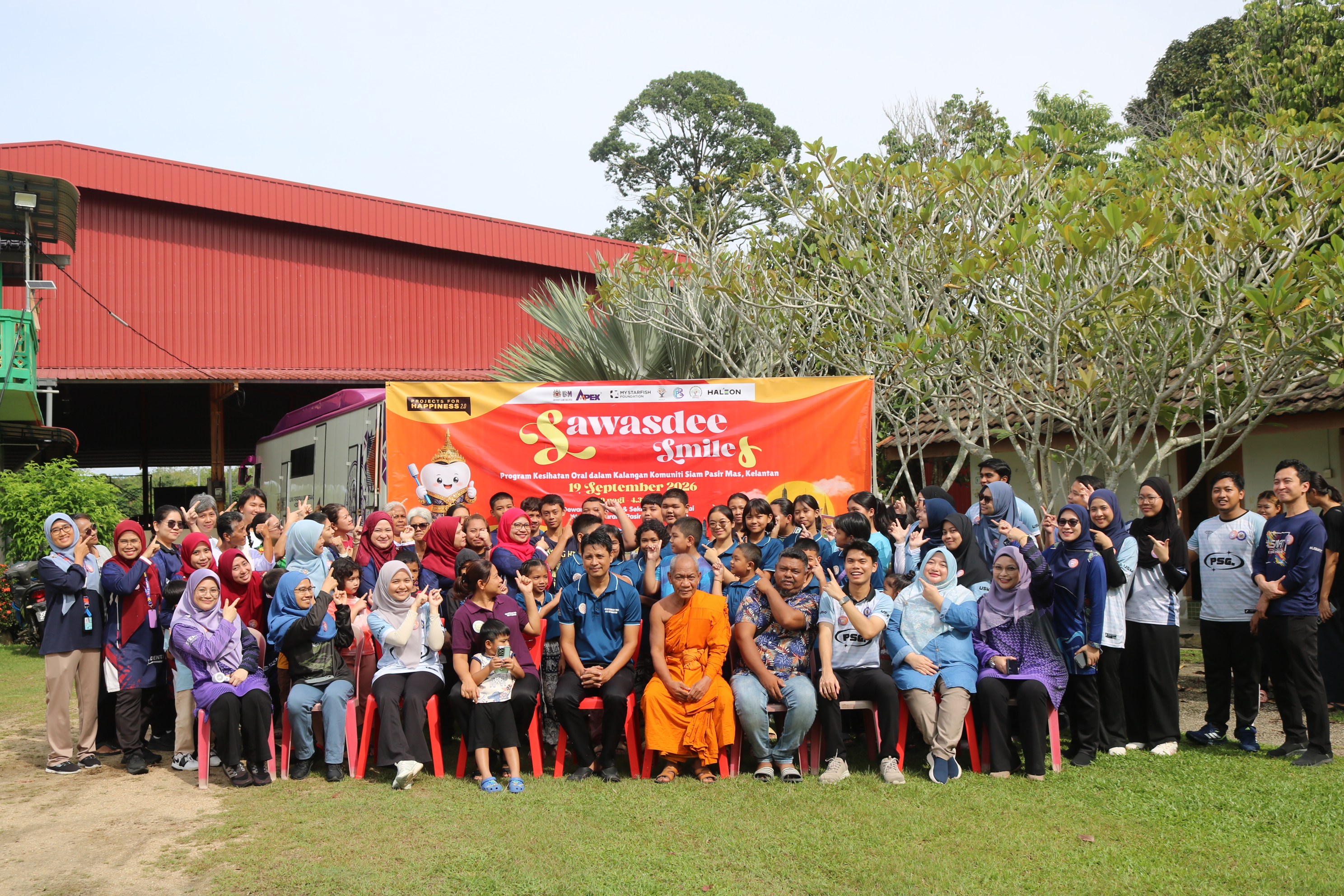
The Sawasdee Smiles: Bridging Oral Health Gaps Among Siamese Children in Pasir Mas Community programme successfully achieved its intended objectives and generated meaningful impact among participating children, teachers, community members and student volunteers. With the fund support of MyStarfish Foundation and contributions from collaborating partners, the programme was able to bring oral health education, screening and preventive resources directly to the Siamese community in Pasir Mas, Kelantan.
Impact on Participants and Community
The programme provided children with opportunities to learn and practise essential oral health behaviours through interactive education, toothbrushing demonstrations, games and oral health screening. The provision of oral health resources further supported the reinforcement of preventive practices. Teachers were also equipped with basic oral health knowledge and practical skills through the Training of Trainers (ToT) programme, enabling them to continue reinforcing key oral health messages within the school environment.
The programme also facilitated the early identification of oral health needs through community screening. The involvement of community leaders, religious representatives and teachers further strengthened community participation and ownership of the programme.
Impact on Student Volunteers
Participation in Sawasdee Smiles provided student volunteers with valuable experience in planning and implementing a community-based oral health programme. Through direct engagement with children, teachers and community representatives, students developed their communication, teamwork, leadership, organisational and community engagement skills. The programme also enabled students to apply their dental knowledge in a practical community setting and develop a greater understanding of the importance of preventive and community-based oral healthcare.
Impact on Universiti Sains Malaysia
The programme strengthened the role of the School of Dental Sciences, Universiti Sains Malaysia (USM) in community engagement and oral health promotion. Through collaboration with external partners and local community, Sawasdee Smiles demonstrated USM's commitment to translating knowledge into meaningful community-based initiatives and addressing oral health needs beyond the clinical setting.
Contribution of My Starfish Foundation and Collaborating Partners
The support provided by My Starfish Foundation played an important role in enabling the implementation of Sawasdee Smiles. The funding facilitated the preparation of programme materials, educational resources, oral health activities and other essential programme requirements, allowing the team to deliver the planned intervention within the community.
The programme was further strengthened through in-kind and collaborative support from partners, including Haleon, which contributed toothpaste for the programme, and BBNGO, together with local community and school representatives. These contributions demonstrate the value of multi-sector collaboration in extending the reach of community-based oral health initiatives.
Contribution to the Sustainable Development Goals (SDGs)
The programme contributed to several Sustainable Development Goals (SDGs), particularly:
- SDG 3 – Good Health and Well-being: Promoting oral health awareness, preventive practices and early identification of oral health needs through education and screening activities.
- SDG 4 – Quality Education: Providing children and teachers with accessible oral health education and practical skills, while strengthening teachers' capacity to reinforce health education within the school environment.
- SDG 10 – Reduced Inequalities: Supporting access to oral health education and screening within a culturally distinct community and promoting inclusive community-based health initiatives.
- SDG 17 – Partnerships for the Goals: Strengthening collaboration among USM, MyStarfish Foundation, Haleon, BBNGO and local community and school representatives in delivering a community-based oral health initiative.
7. Beneficiaries and Community Reach
A total of 59 participants directly benefited from the programme, comprising 5 teachers and 54 students and members of the Siamese community. Through the Train-the-Trainer (ToT) approach, the programme is expected to benefit a wider population beyond the initial participants, as trained teachers and community leaders can continue sharing oral health knowledge and promoting healthy oral hygiene practices within their families, schools, and communities. The development of a sustainable oral health education module and bilingual educational materials will further support ongoing knowledge dissemination, enabling the programme’s impact to extend to future generations of the Siamese community.
8. Long-Term Impact, Sustainability, and Future Directions
The project incorporates a structured sustainability mechanism to ensure that its impact continues beyond the initial implementation period. A key initiative is the establishment of a Wat-based toothbrushing station, providing schoolchildren with accessible facilities to practise daily toothbrushing and maintain good oral hygiene habits. To ensure its long-term functionality, teachers and community leaders will be encouraged to oversee its daily use, promote proper toothbrushing practices, and coordinate the replenishment of oral hygiene supplies.
The Train-the-Trainer (ToT) approach further strengthens sustainability by equipping teachers and community leaders with the knowledge and practical skills to deliver ongoing oral health education independently. The oral health education module and bilingual pamphlets, brochures, and posters will serve as reusable educational resources, enabling consistent dissemination of oral health messages to new groups of children and community members. Integrating oral health activities into existing school and community routines will further support continuity without relying solely on external dental teams.
Sustainability will also be reinforced through ongoing collaboration with Universiti Sains Malaysia (USM), whereby junior dental students will conduct periodic follow-up visits to provide reinforcement education, monitor the condition and use of the toothbrushing station, and conduct oral health screenings. Findings on dental caries and gingivitis will be compared across visits, where feasible, to evaluate changes in community oral health status and guide subsequent interventions. Feedback from teachers and community leaders will also be used to identify implementation challenges and improve programme delivery.
Ultimately, the project aims to establish a community-led and institutionally supported model of oral health promotion, in which local teachers and community leaders take ownership of daily preventive practices while USM provides periodic technical support, monitoring, and capacity building. This shared-responsibility approach will help maintain programme activities, strengthen local capacity, and create a foundation for future expansion to other Siamese communities in Kelantan.
Section II
1. Contribution to Happiness: Short-Term and Long-Term Impact
Sawasdee Smiles : Bridging Oral Health Gaps among Siamese Children in Pasir Mas’s Community contributes to happiness by improving oral health awareness, promoting preventive dental care, and empowering the Siamese community in Pasir Mas, Kelantan, to achieve healthier smiles. In the short term, the programme brought joy and excitement to schoolchildren through interactive oral health talks, educational station games, dental screenings, and hands-on learning activities. The enthusiastic participation of the children, particularly during the educational games and quizzes, demonstrated how health education can be delivered in an enjoyable and meaningful way. The distribution of oral hygiene supplies and educational materials also provided participants with practical resources to begin practising better oral hygiene habits.
Beyond the immediate enjoyment of the activities, the programme aimed to provide participants with greater confidence and knowledge in caring for their oral health. By learning proper toothbrushing techniques, making healthier food choices, and understanding the importance of regular dental visits, children were empowered to take an active role in maintaining their own oral health. Early dental screening also created opportunities to identify common oral health problems and facilitate appropriate referrals, helping participants and their families become more aware of their dental care needs.
In the long term, the project seeks to contribute to happiness by reducing preventable oral diseases and improving quality of life. Dental caries and gum diseases can cause pain, discomfort, difficulties in eating, and disruption to children's daily activities, including learning at school. By encouraging sustainable preventive practices, the project aims to reduce these burdens and support children in growing up healthier and more confident. The establishment of a toothbrushing station at the Wat, together with the development of an oral health education module and bilingual educational materials, provides a foundation for continued oral health promotion beyond the initial programme.
Furthermore, the Train-of-Trainer approach empowers teachers and community leaders to become local oral health advocates who can continuously share knowledge and reinforce healthy habits among children, families, and the wider community. With continued support and follow-up from Universiti Sains Malaysia, the project aspires to establish a sustainable, community-driven approach to oral health promotion. Ultimately, the happiness generated by Sawasdee Smiles extends beyond the smiles created during the programme; it lies in the possibility of a healthier community, fewer preventable dental problems, and improved well-being for future generations.
2. Personal Growth and Changing Perspectives
Handling this project has broadened my understanding of the role of dentistry beyond clinical treatment. As a dental student, I have learned that improving oral health requires more than providing treatment or sharing medical knowledge. It also involves understanding the community's unique needs, overcoming barriers to accessing information and care, and developing interventions that people can realistically adopt in their daily lives. This experience has strengthened my belief that prevention, education, and community empowerment are essential components of dentistry.
One of the most meaningful lessons was recognising the importance of adapting health education to the community's language and cultural background. The language barrier experienced by some preschool children reminded me that even the most accurate health information has limited value if it cannot be understood by its intended audience. Working with teachers to translate messages into the Siamese language and providing bilingual educational materials highlighted the importance of communication, cultural sensitivity, and collaboration. I came to appreciate that effective community service begins with listening to the community and finding ways to make health education accessible, relevant, and engaging.
The project also changed how I view sustainability in community health initiatives. Previously, I might have considered a successful programme to be one that reached its planned participants and completed its activities. Through Sawasdee Smiles, I realised that meaningful impact depends on what happens after the programme ends. The establishment of a toothbrushing station, training of teachers and community leaders, and development of reusable educational resources reflect the importance of building local capacity rather than creating dependence on external healthcare teams. This experience taught me that sustainable change is achieved when communities are equipped and empowered to continue caring for their own health.
Finally, working alongside fellow dental students, academic supervisors, community leaders, teachers, and external partners reinforced the value of teamwork and shared responsibility. Addressing community oral health challenges requires collaboration among individuals and organisations with different expertise and resources. It also reminded me that even relatively small contributions, when supported by collective effort, can create meaningful opportunities for positive change.
Overall, Sawasdee Smiles has strengthened my commitment to becoming a dentist who not only treats disease but also advocates for equitable access to oral healthcare. It has taught me that the true value of community service is not measured solely by the number of people reached, but by the knowledge shared, the confidence developed, and the sustainable changes that continue long after the programme concludes.
“The journey of Sawasdee Smiles was not without its setbacks, but it showed me the value of having people who are willing to lend a hand and share their guidance when it matters most. I am thankful to everyone who stood alongside us and helped turn this initiative into reality. Above all, I am thankful that we finally brought Sawasdee Smiles to reality, with the hope of improving oral health awareness and creating a healthier, brighter future for the Siamese community, especially the younger generation.”
Syawal Fitri
"Behind Sawasdee Smiles was a journey filled with challenges, uncertainties, tears and lessons I never anticipated. It taught me that a successful programme is not always defined by how smoothly a project unfolds or how many people it reaches, but by the commitment to keep going despite the challenges along the way. More than improving oral health awareness, this journey taught me the importance of resilience, empathy and working alongside a community to create something meaningful and sustainable. Despite everything, this is a journey that I will never forget”
Najla Qistina
"This programme was a such a meaningful experience for me. I enjoyed interacting with the children, learning a little of their Siam language, and teaching them about the importance of oral hygiene. It reminded me that even small efforts and a simple smile can make a difference."
Faten Athirah
"Reaching out to the Siam community in Pasir Mas was something new for me and an experience I truly appreciated. We came with the intention of sharing oral health knowledge with the children, but along the way, we also learned from them, their language, culture and way of life. It was a beautiful reminder that community engagement is never a one-way process. While we hope to make a difference in their lives, they too leave us with lessons and experiences to take home"
Fatin Arina
"This community service taught me how to work with community and how to interact with different groups of people and understand their needs"
Hani Maisarah
"One day of exhaustion, countless smiles, and unforgettable memories. Tired feet, happy hearts, and a meaningful impact on the community."
Dany Zhafran
"Culture plays an important role in shaping how knowledge is shared within a community. This eye-opening programme taught us the importance of going the extra mile in community projects to raise awareness about dental care while learning more about the language, culture, and unique values of the community we serve"
Siti Nur Raudhah
Section III
Video
Image Gallery
 0 Days Left
21 Supporters
0 Favourited


