

 Support this Project



 0 Days Left
 5 Supporters
 0 Favourited


- In Senai, as younger generations steadily depart for higher education and career opportunities elsewhere, the town’s older generation is left behind,carrying with them decades of untold histories, local culture, and cherished personal memories.
- Voices carry memories, emotions, identity, and family connection
- This project aims to preserve these voices before they disappear and reconnect generations
The Second Voice of Senai is a community-driven audio archival project dedicated to bridging this generational gap by capturing and preserving the voices, stories, and heritage of Senai’s elders.
Housed within the local Senai Library as a living digital repository, this initiative ensures that the warmth, wisdom, and living legacy of our loved ones are safely preserved for returning youth and future generations to hear, honor, and remembe
- Interview and record elders' VOICES
- Collect daily sayings, stories, songs, and memories
- Organize recordings into a voice archive
- Create listening and sharing experiences for the community
- Encourage youth participation and interaction with elders
- Creation of a living voice archive
- Stronger emotional connection between elders and youth
- Increased awareness of Senai’s cultural identity
- Elderly participants feel heard, valued, and remembered
- Youth gain appreciation for their heritage and language

Project Information
| University name | : | Raffles University Iskandar (RUI) |
| Project leader name | : | Cherise Lee |
| Instagram link | : | https://www.instagram.com/secondvoice.senai/ |
| Project implementation date | : | 2026-06-17 |
| Location of project held | : | Senai, Johor. |
| Beneficiary | : | Senai Local Community, Kawasan Rukun Tetangga Senai Baru |
| Number of beneficiaries | : | 2 |
Section I
What if the last sound you ever hear of the people you love simply fades into silence? In Senai, where younger generations leave for new opportunities while elders carry decades of untold heritage and warmth, The Second Voice of Senai preserves these living memories at the local library so future generations can always return to hear, honor, and remember their loved ones.
Our project fundraising was kick-started in close collaboration with the Senai Community Library, support from our lecturers, our friends, and our families.
The project was executed across three main phases:
-
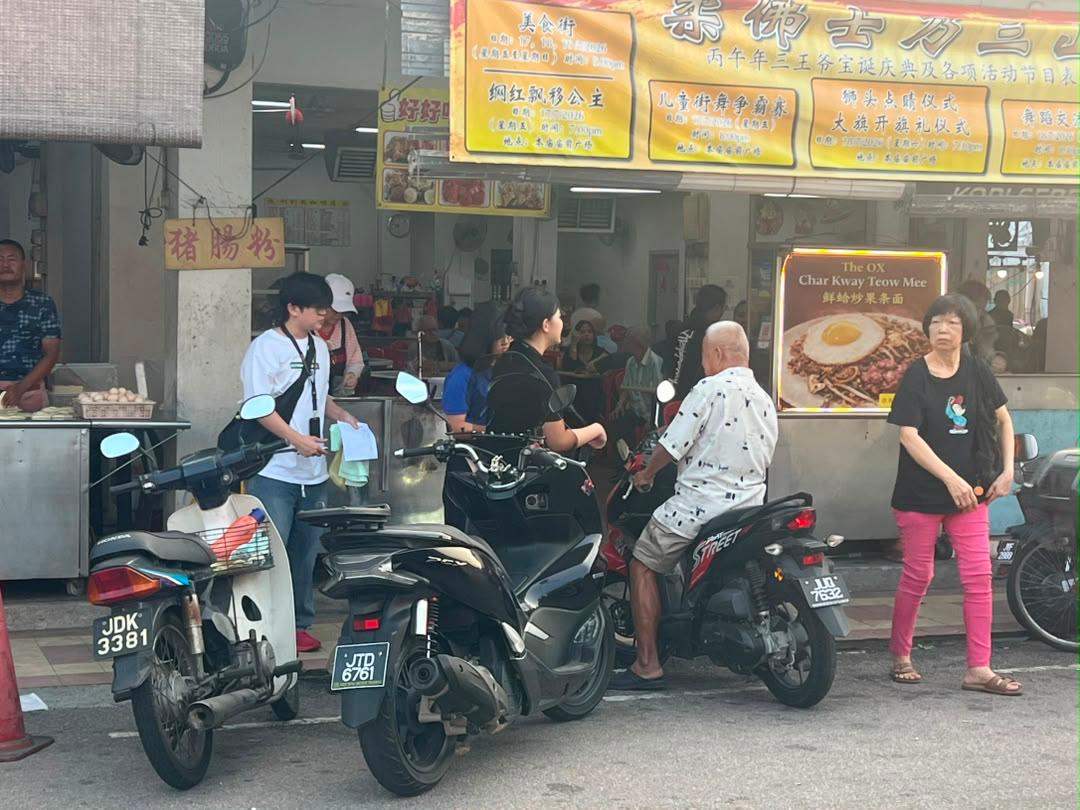
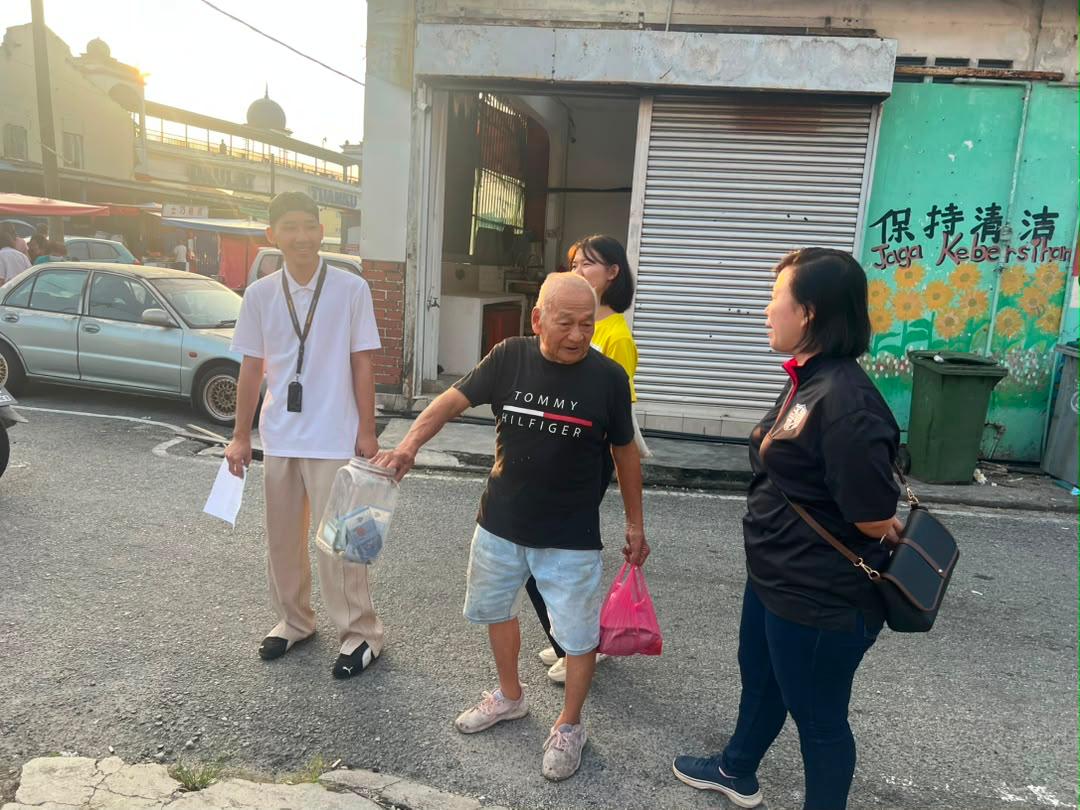
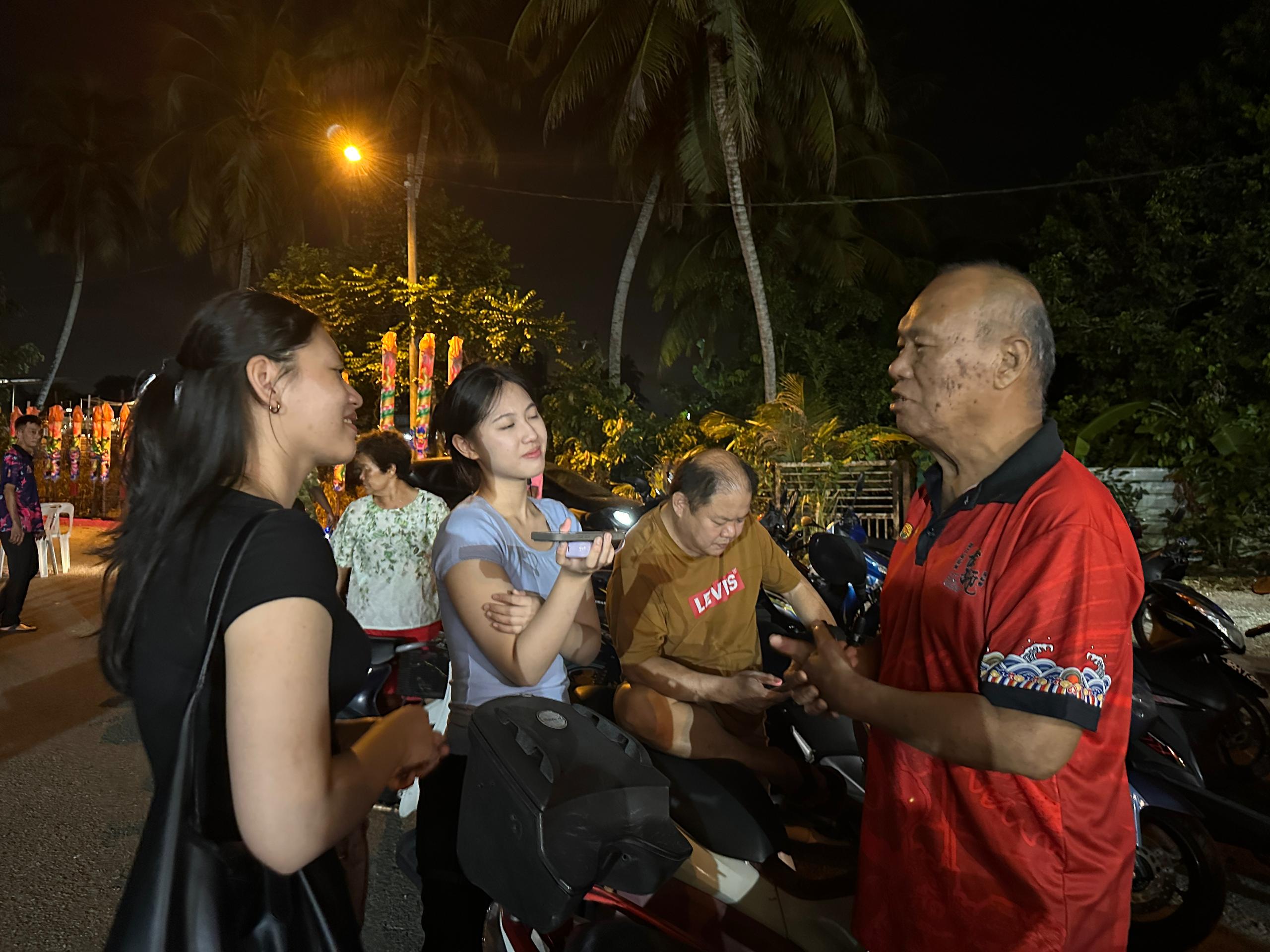
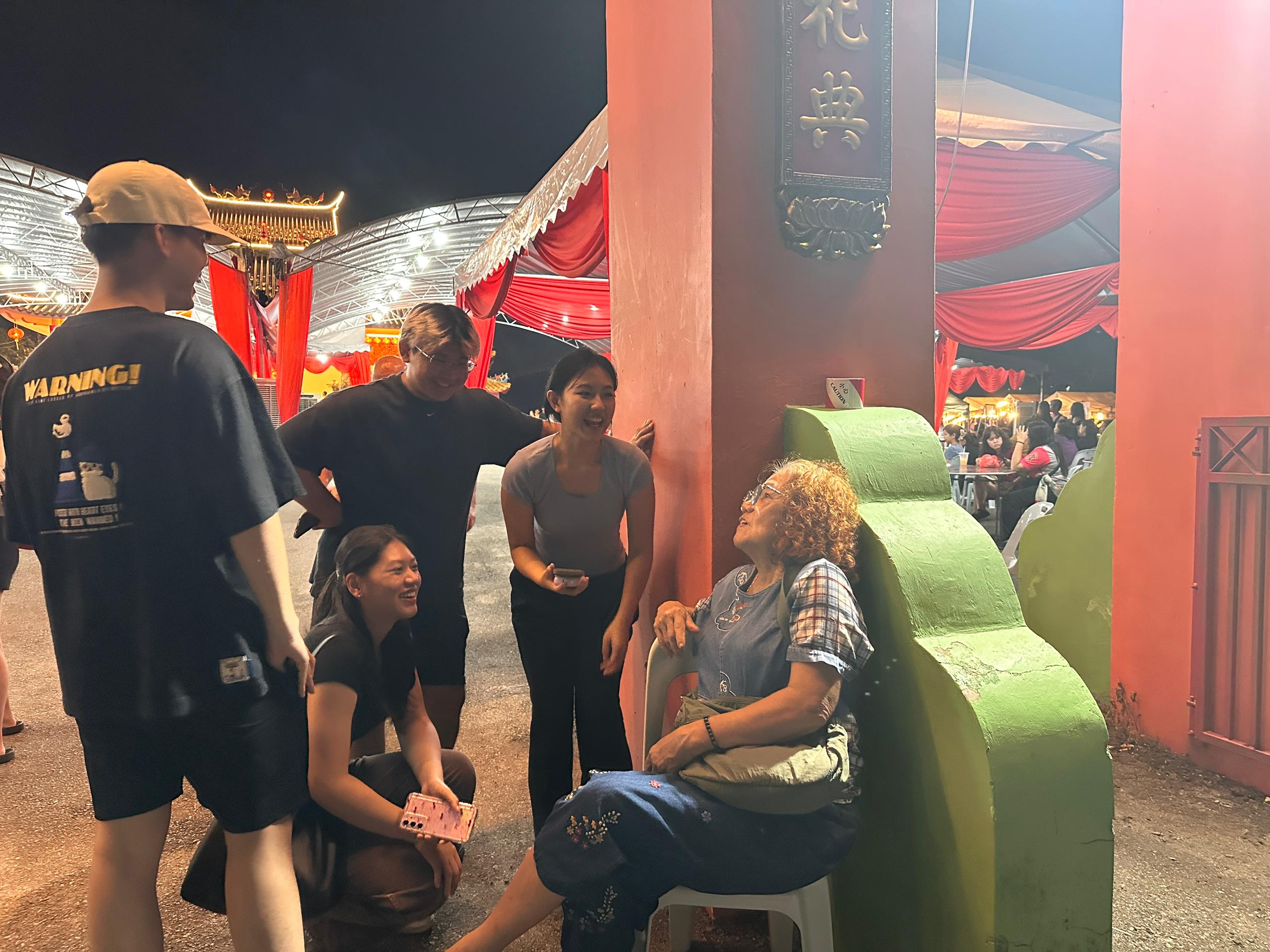
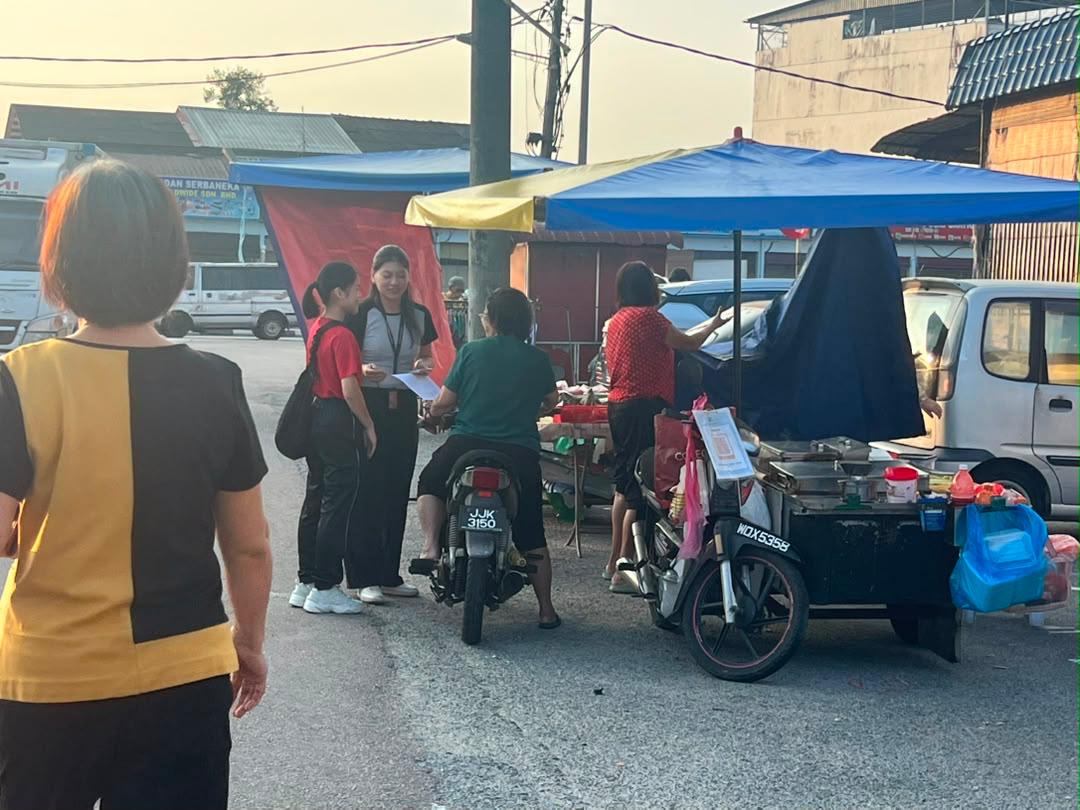
Oral History Recording & Archiving: We conducted field interviews with Kampung Baru Senai residents, recording their voice whether it is a simple sentence, personal narratives, life stories, and memories to establish a digital voice archive.
-
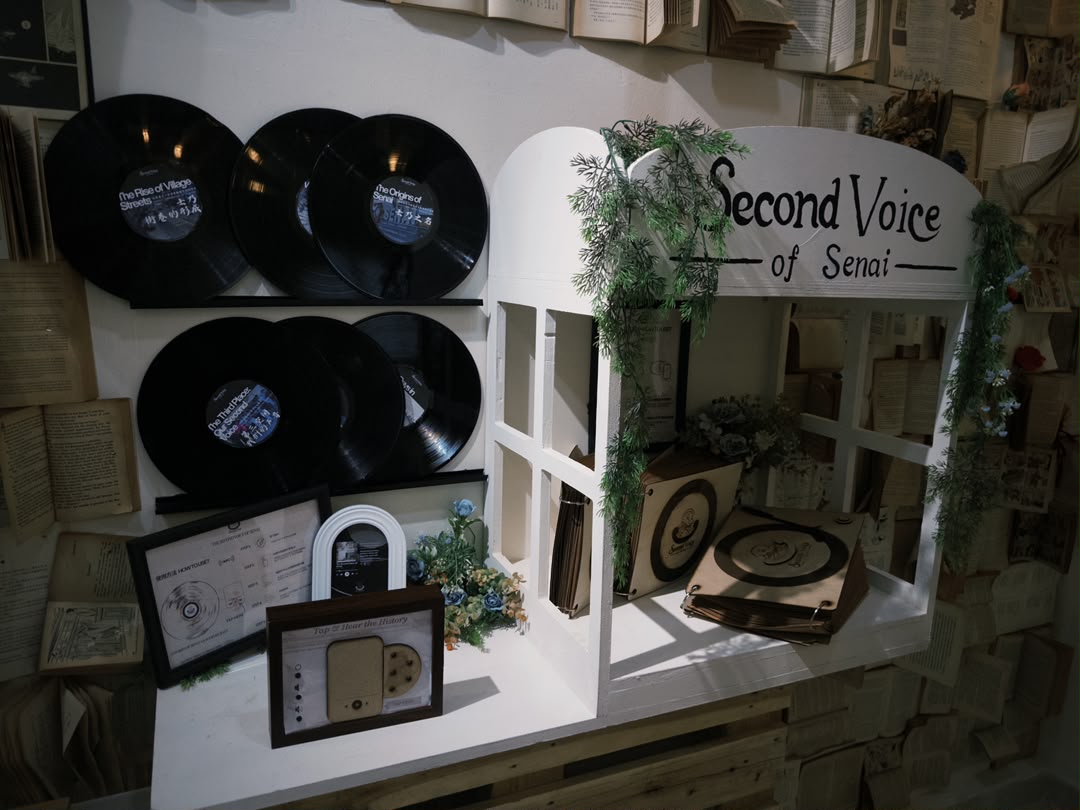
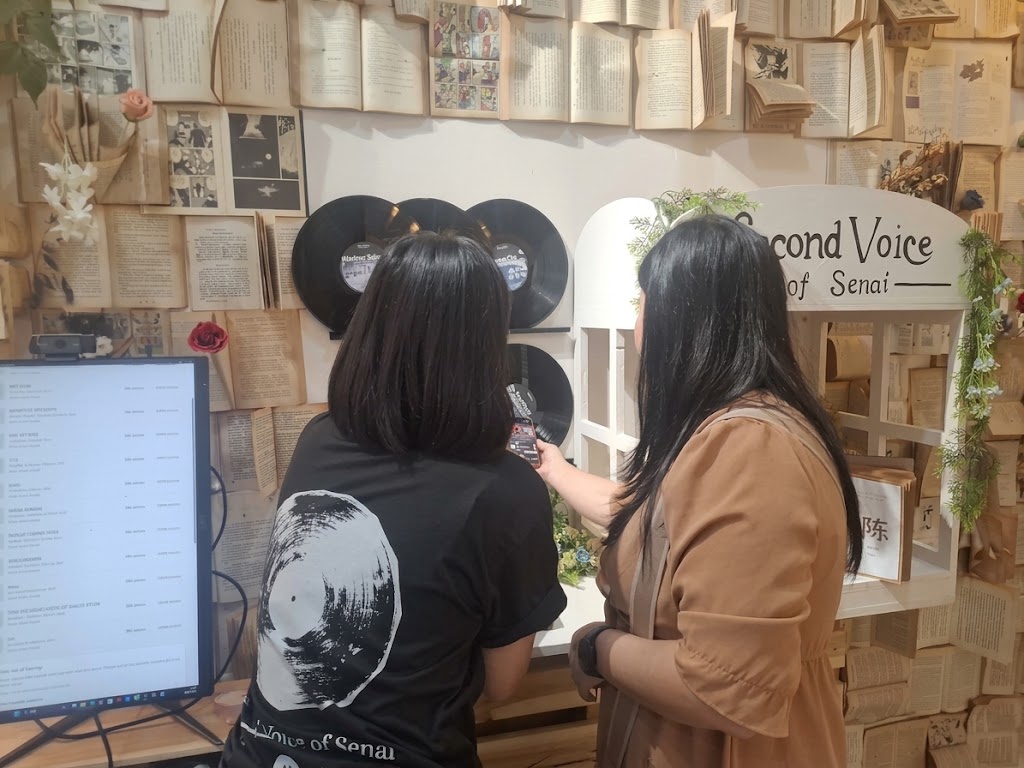
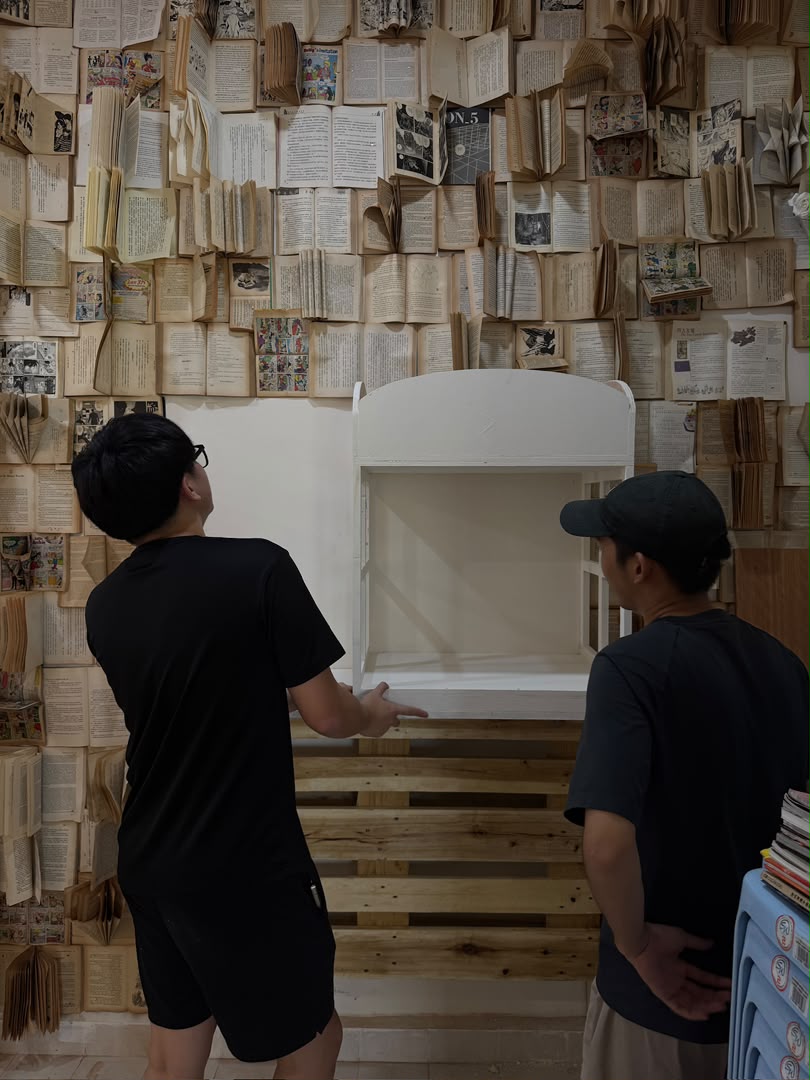
Physical Space Revitalization: We designed and construct a physical booth where people can leave their messages and where all the voices and memories are kept.
-
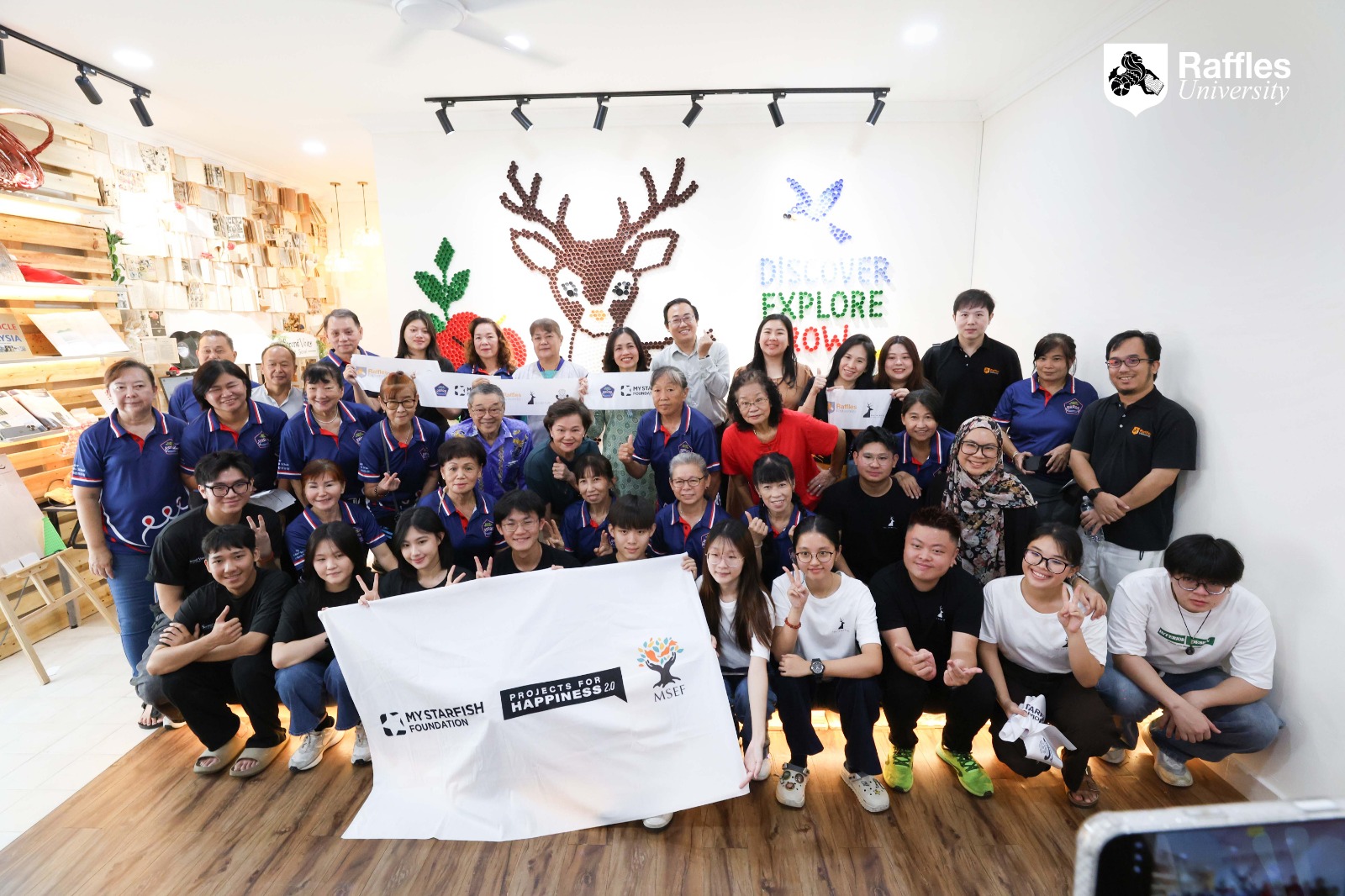
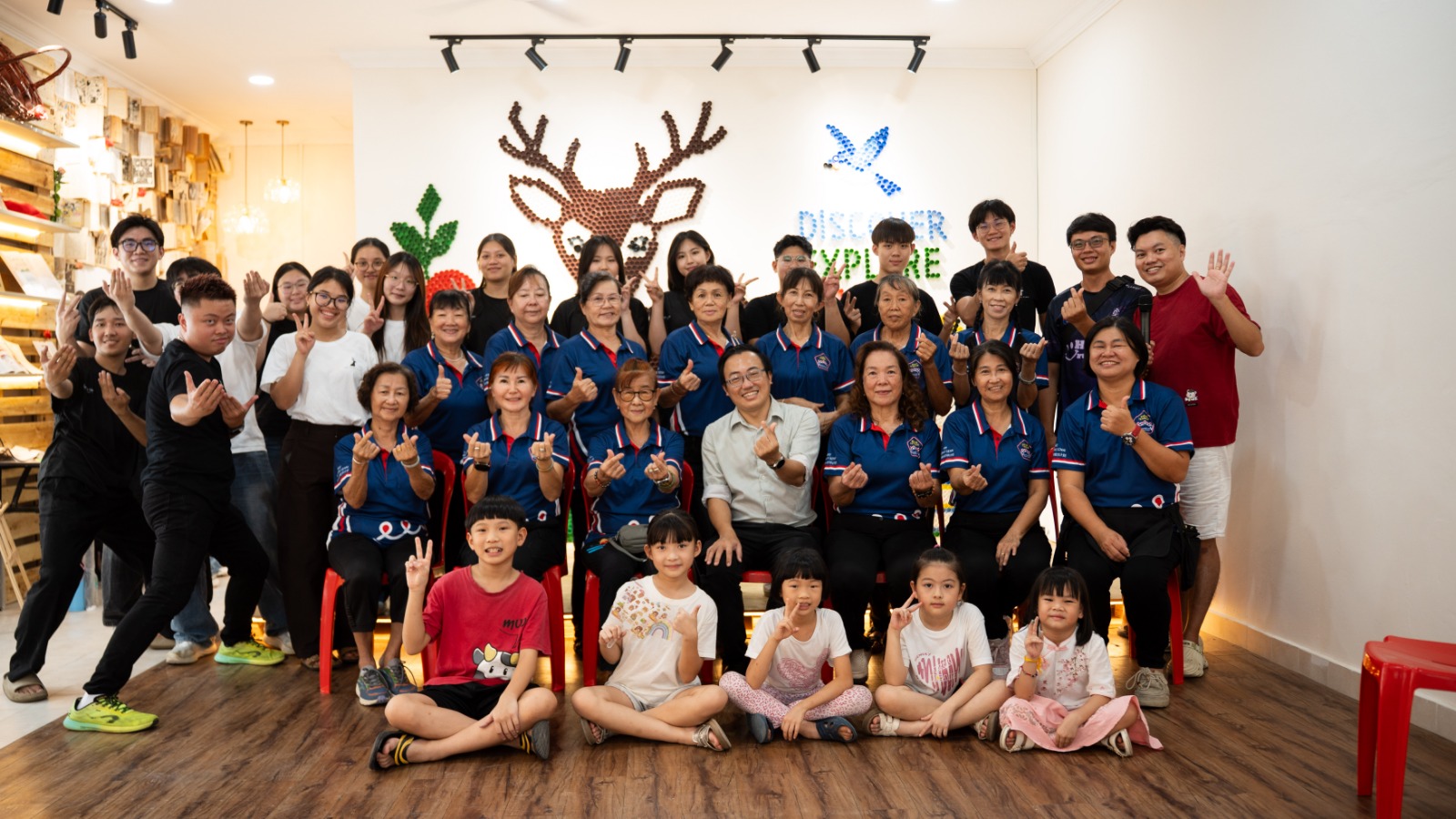
Community Engagement & Launch: On October 25, we officially opened the space to the public, inviting the public to listen the voices and also featuring interactive listening setups and a commemorative message wall where residents left written notes and wishes for Senai’s future.
Navigating this project presented several unexpected logistical, financial, and physical challenges that required our team to adapt quickly. As student creators transitioning into full-time internships, our greatest obstacle was managing tight schedules and pushing through sheer physical exhaustion while striving to maintain project momentum. Additionally, we did our best to stay within budget carefully deciding the best materials and decisions such as using repurposed materials, uni's resources and volunteer support.
Overcoming language and cultural barriers was essential to conducting meaningful field interviews and accurately capturing the community's heritage. Approaching local residents as strangers required patience, empathy, and clear communication to build initial trust and assure them that their personal memories would be honored and safely preserved.
The project achieved several meaningful successes, particularly in creating high emotional resonance with local residents through interactive elements like the recordings, leaving messages through a phone and a message board to commemorate the day. Transforming the space into a physical sanctuary successfully brought people together to honor human memory and voice, while also sparking deep personal growth for our team in learning how to communicate, build mutual trust, and connect across diverse backgrounds.
Conversely, certain operational aspects proved far more challenging than expected for a small student team. Our initial manual workflows for audio editing, transcribing, and cataloging the recordings were extremely time-consuming, while trying to manage the physical space revitalisation and the digital audio setup simultaneously severely stretched our tight timeline.
The project directly reached and benefited more than 200 people through our field work and opening day, including the elderly residents whose voices and life stories we archived, members of Kawasan Rukun Tetangga (KRT) Senai Baru, and local visitors who joined us to celebrate the opening. Local children and families in the area also gained immediate access to a clean, comfortable, and welcoming library space to gather and read. Over time, residents, visiting families, and future library patrons across Senai will continue to benefit from having a free community sanctuary where local history and personal stories are preserved.
In the long term, this project establishes an irreplaceable living archive of Senai’s human history that will allow families to listen back and reconnect with the comforting voices of their loved ones for generations to come. To ensure the space remains active and well-maintained, sustainability will be driven through ongoing collaboration with the local library committee.
Section II
The Second Voice of Senai contributes to both immediate and enduring forms of happiness by addressing the deep human need for connection, belonging, and emotional legacy. In the short term, revitalizing the historic Senai Community Library into "The Third Place" brought immediate joy and vitality back into a forgotten physical space. On opening day, seeing local residents gather, share stories, and leave heartfelt messages for the future created an undeniable sense of warmth and celebration. For our storytellers, being heard provided immediate dignity and joy, while for the broader neighborhood, having a cozy sanctuary to gather and connect fulfilled a vital social need.
In the long term, the project cultivates a quiet, profound form of happiness rooted in identity and memory. Every community holds an irreplaceable warmth and history within the voices of its people—moments and nuances that are easily overlooked in the rush of daily life. In a few years' time, as children grow up and generations pass, these audio archives will become invaluable treasures, allowing future generations to listen back and find the familiar, comforting voices of their loved ones preserved in time. The Second Voice of Senai serves as an enduring bridge where the identity of Senai remains living, breathing, and accessible to those who seek their roots or just simply missing their loved ones.
Working on The Second Voice of Senai completely altered how I view the world and my role within a community. Going into this, I had to step far out of my comfort zone. It forced me to move beyond my familiar routine, approach people I had never met, and learn how to build genuine trust with local residents. I realized that the true heartbeat of a place isn't found in its physical structures or infrastructure, but in the quiet, irreplaceable human history carried in the voices of its people—a warmth that is so easily overlooked until you take the time to listen.
On a personal level, this journey transformed my resilience, maturity, and capacity for empathy. As students, balancing our coursework alongside the physical and logistical demands of recording an entire community's stories and building a public space was already a massive undertaking. Constantly adjusting timelines, managing schedules, and then continuing to push this initiative forward as we transitioned into our full-time internships was undeniably tiring. There were moments of sheer exhaustion where juggling professional expectations alongside our promise to the Senai community pushed us to our absolute limits.
Yet, pushing through that exhaustion deeply changed me. It taught me patience, adaptability, and the true meaning of commitment. It showed me that creating meaningful connection requires showing up even when you are drained, because people’s stories and memories matter. Stepping into the community and seeing how much it meant to the residents proved that the effort was worth every late night. It taught me that real impact doesn't come from behind a desk—it comes from stepping outside your comfort zone, listening deeply, and pouring your heart into something bigger than yourself.
"Engaging with local residents showed me the beauty of diverse backgrounds and what truly shapes a person’s identity. Through this project, I learned how to build mutual trust, communicate authentically, and form connections, gaining memories and archived voices I will treasure, listen back to, and reminisce on for the rest of my life."
— Cherise Felicity Lee
Section III
Video
Image Gallery
 0 Days Left
5 Supporters
0 Favourited


