

 Support this Project



 0 Days Left
 31 Supporters
 1 Favourited


Kampung Baru Senai is a Chinese new village in Johor with rich Hakka heritage, community memories, and everyday cultural stories. These stories can be found in places such as Kong Hay Tong, traditional kuih stalls, the old theatre, SJK(C) Senai Museum, Senai River, and the old railway traces.
However, many young people who live around these places do not fully understand their meanings. To them, these places may look ordinary, but behind them are stories of migration, resilience, family values, community support, and cultural identity. The issue is not that Senai’s culture has disappeared, but that these stories are no longer actively communicated between generations. Without documentation and meaningful ways to share them, local memories and stories may slowly fade.
寻迹士乃 Loi Ah, Cim Ziak Hi was created to reconnect young people with Senai’s local history and culture through a more interactive learning experience. The project combined an AI cultural guide, Trace Pack mission kit, a 7-stop cultural route, site-based activities, Trace Wall reflections, a Heritage Zine, Cultural Learning Map, and video documentation. Instead of only learning about history through written information, participants were encouraged to explore the actual places, ask questions, listen to community stories, complete activities, and reflect on what they experienced.
Through the project, young participants had the opportunity to learn about Senai directly from its places and people. The activities also created opportunities for interaction between younger participants and local community members, allowing stories and memories to be shared across generations.
The support from My Starfish Foundation and the public made it possible for us to develop and implement these learning materials and activities. More importantly, the support helped us create a meaningful opportunity for young people to experience local culture in a way that was more engaging and relevant to them. By supporting projects like this, the community can help preserve local memories, encourage intergenerational sharing, and give younger generations a chance to understand and carry these stories forward.
Vision
To make Senai’s cultural memory visible, meaningful, and accessible to young people through an interactive cultural learning experience.
Mission
To reconnect young people with Kampung Baru Senai’s Hakka heritage, Chinese spirit, and community stories through AI-enabled dialogue, physical route exploration, and reflective learning.
Objectives
To help young people understand the stories, values, and cultural spirit behind Senai’s everyday places.
To create a 7-stop cultural learning route where participants can explore Senai through missions, local stories, and site-based experiences.
To use Trace Soul, an AI cultural guide, as a bridge for intergenerational dialogue between young people and community memories.
To document elder stories, oral histories, and local cultural knowledge through interviews, video documentation, Heritage Zine, and Cultural Learning Map.
To encourage participants to reflect on their relationship with local culture and carry Senai’s heritage forward.
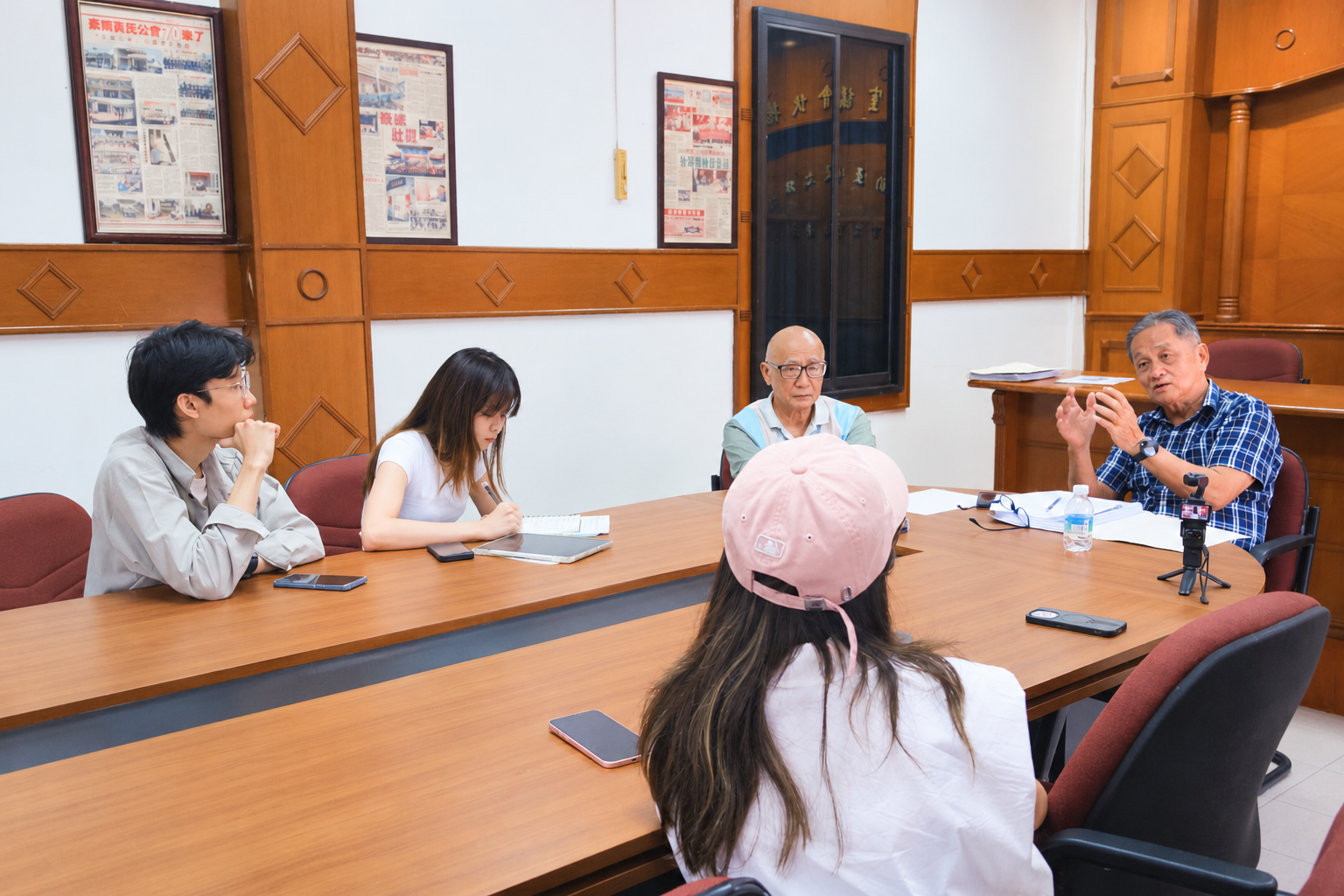
The project began with community story collection through interviews with Senai elders, community members, local vendors, and people connected to Senai’s history. The stories and information collected were organised and used to develop the cultural content for the project, including the Trace Soul AI cultural guide.
Based on the stories and research collected, we developed a 7-stop cultural learning route around Kampung Baru Senai. We also prepared the Trace Pack, mission activities, cultural learning materials, and interactive elements for participants to explore the stories and cultural traces connected to each location.
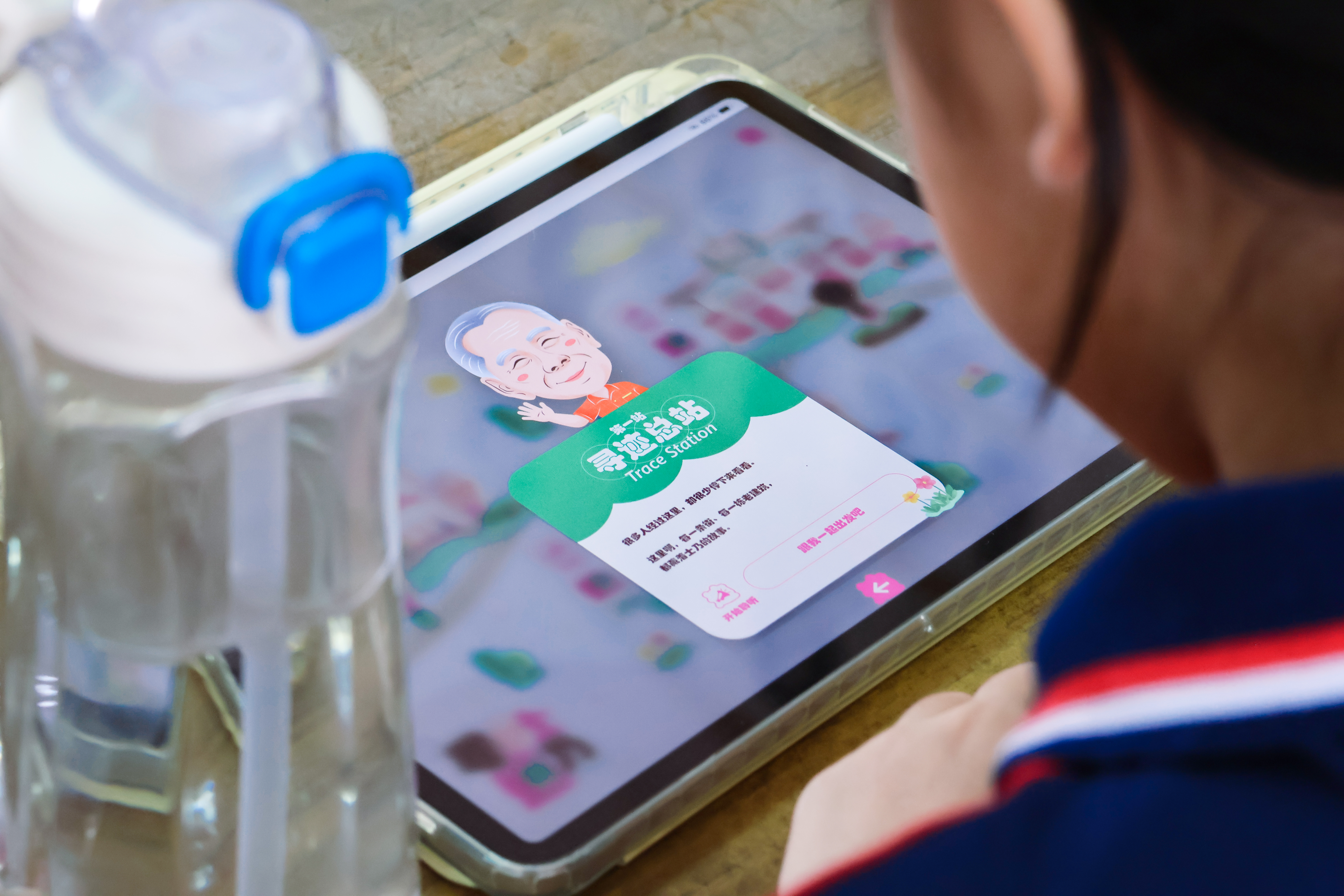
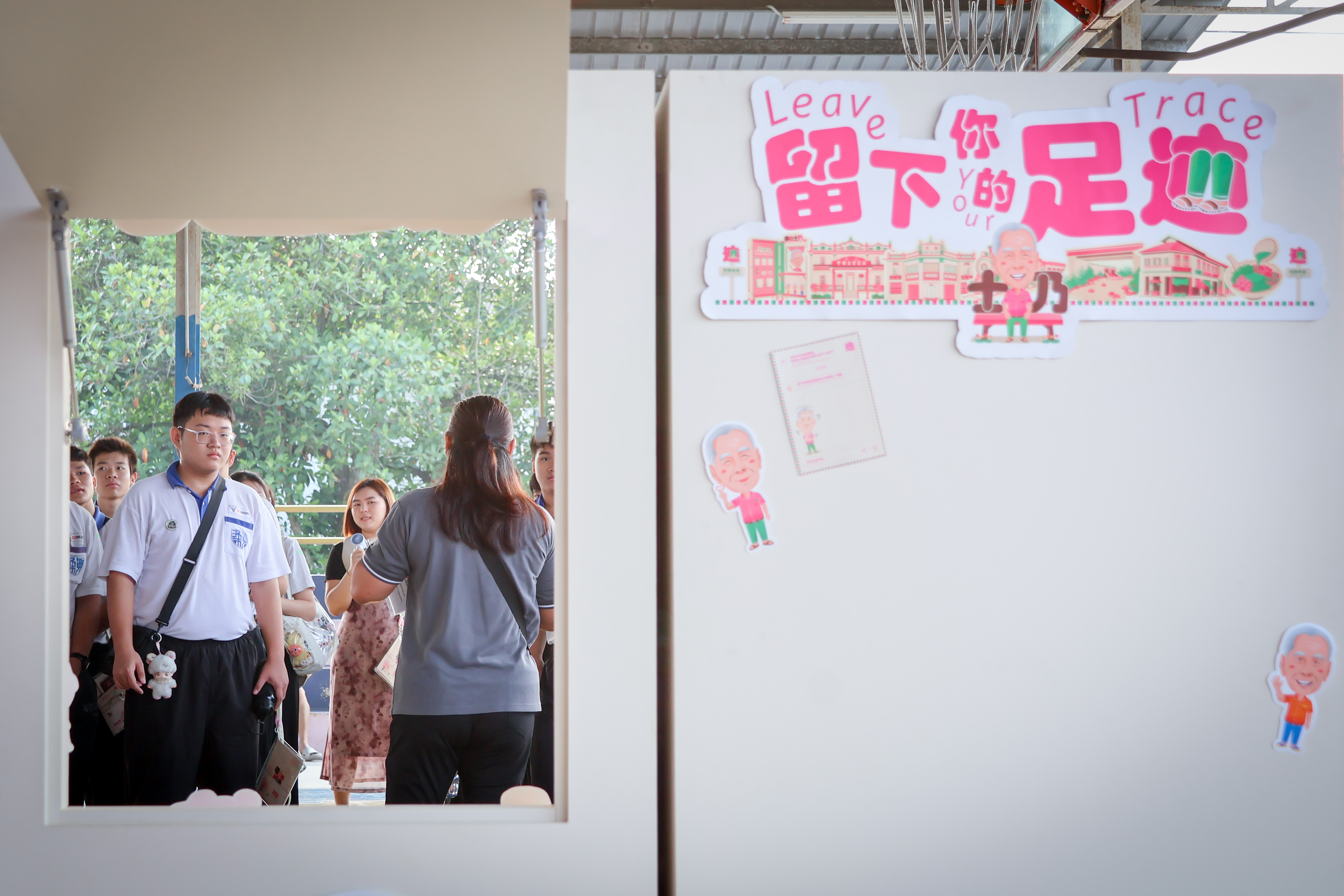
Trace Soul was developed as part of the learning experience, allowing participants to ask questions and explore more about Senai’s history, culture, and community stories. We also prepared the Trace Wall for participants to share their thoughts and reflections after completing the learning journey.
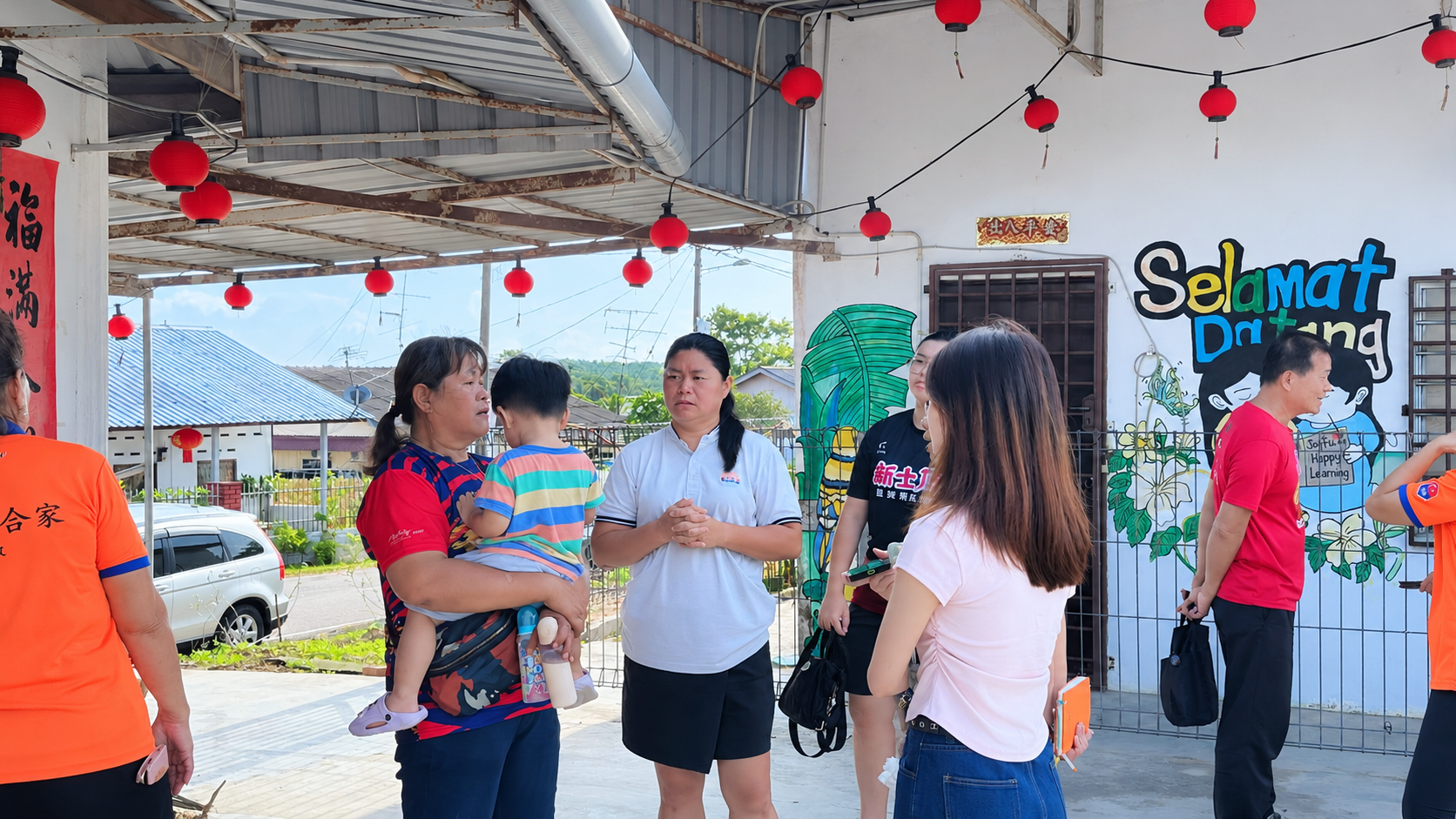
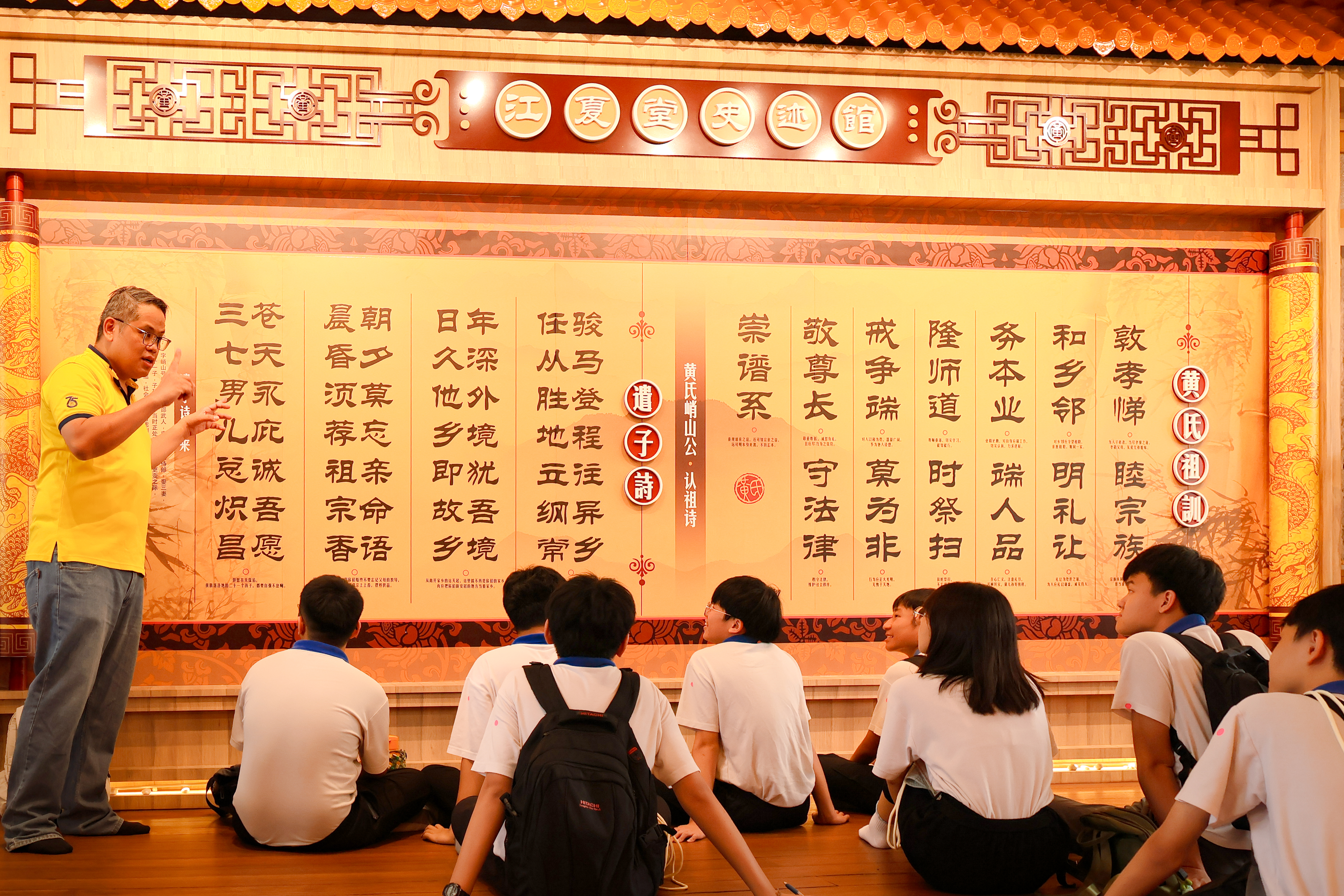
After the route and materials were prepared, we invited students from different schools to take part in the cultural learning activities. During the sessions, participants explored the different locations, completed missions, discovered cultural traces, interacted with Trace Soul, and learned about the stories behind each place.
We also documented the project through photography and video, and produced a Heritage Zine and Cultural Learning Map to record and share the stories and cultural knowledge collected throughout the project.
The project is expected to engage young participants through approximately 3 rounds of cultural learning activities, allowing participants from different backgrounds to experience Senai’s local history, culture, and community stories.
Participants will experience a 7-stop cultural learning route across Kampung Baru Senai, discovering the stories, history, Hakka culture, and community heritage connected to different locations in Senai.
The project will provide different forms of interaction, including AI interaction, AR experiences, visual storytelling, missions, and on-site cultural activities, making local cultural learning more interactive and accessible to young people.
Participants will also be encouraged to share their thoughts and reflections through the Trace Wall, creating a visible record of their experiences, feelings, and personal connections to Senai.
A participant feedback form will be used after the activities to measure participants’ overall experience, understanding of Senai’s culture and history, and their sense of connection to the place.
At least 70% of participants are expected to report a positive experience after taking part in the cultural learning activities.
At least 70% of participants are expected to indicate that the project helped them better understand Senai’s local history, culture, or community stories.
The project will produce a reusable Trace Pack, containing materials such as a field journal, route map, mission cards, questions cards, and hakka card, which can support participants throughout the cultural learning experience and be adapted for future educational and community activities.
The feedback and reflections collected from participants will also help identify areas for future improvement, including activity timing, route planning, interaction, and participant engagement.

Project Information
| University name | : | Raffles University |
| Project leader name | : | Joon Yu Xuan |
| Facebook link | : | https://www.facebook.com/share/1QMQWydNKK/?mibextid=wwXIfr |
| Instagram link | : | https://www.instagram.com/loiahcimziakhi.senai?stkn=a3cydWRhaDcwemQ4 |
| Project implementation date | : | 2026-09-05 |
| Location of project held | : | Kampung Baru Senai, Johor, Malaysia |
| Beneficiary | : | Students, young people, and members of the Senai community and public |
| Number of beneficiaries | : | Approximately 90 - 100 |
Section I
1. Summary of project goals
寻迹士乃 Loi Ah, Cim Ziak Hi was created to help young people understand Senai through its local stories, culture and community memories. Instead of only learning about heritage through books or online information, we wanted participants to experience the places themselves through a cultural learning route, interactive activities, the app and conversations with local community members.
2. Did other fund-raising efforts contribute to your projects? What were they?
Yes. The project was supported by several external parties. YB Teo Nie Ching contributed RM2,000 and YB Wong Bor Yang contributed RM1,000 to support the project. KPP Antalis also supported us with a discount for the paper materials, while we still paid approximately RM1,000 after the discount. Taspack also helped with the printing for the project. KRT Kampung Baru Senai supported our activities and helped with the community coordination.
3. Provide details about how your project actually worked.
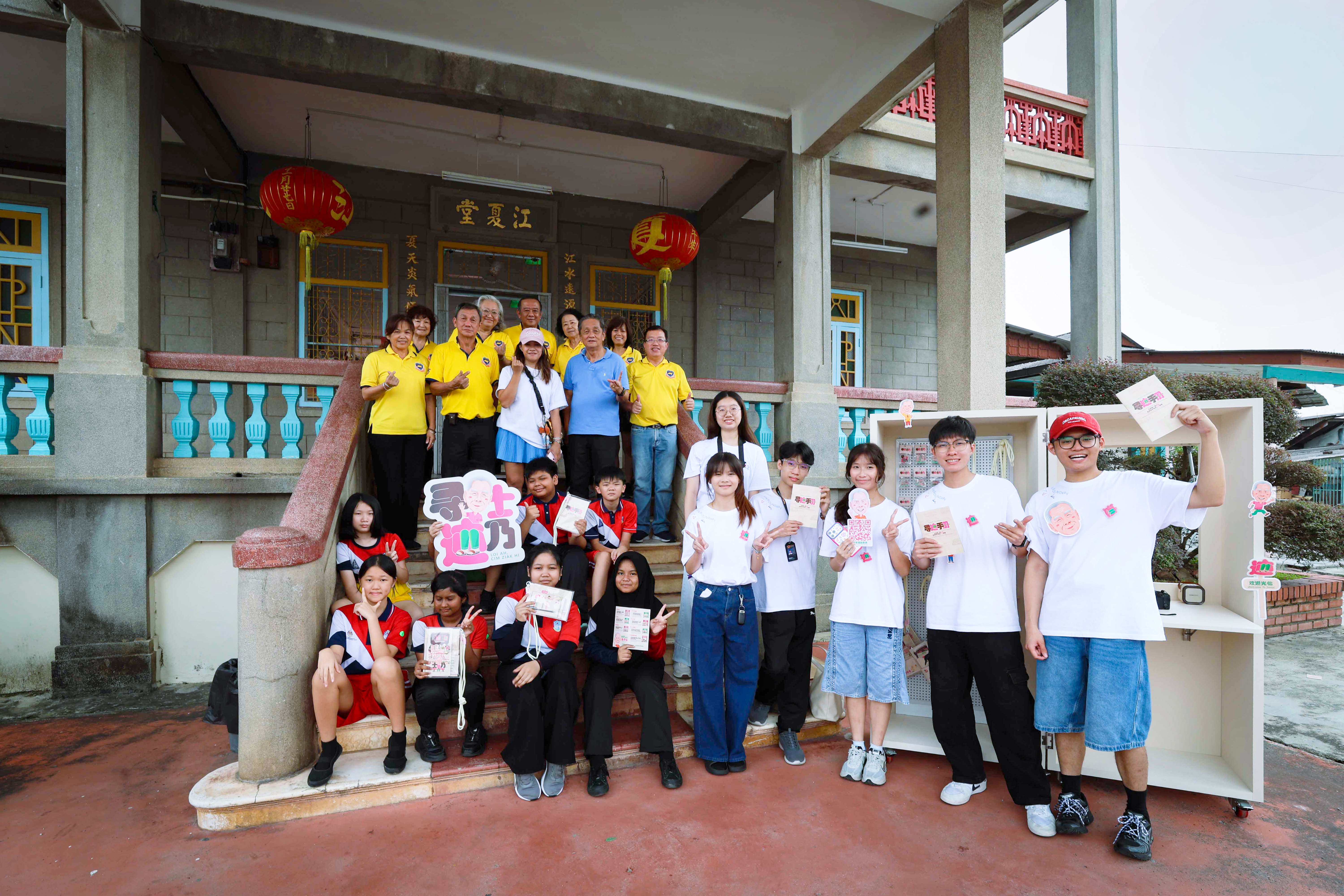
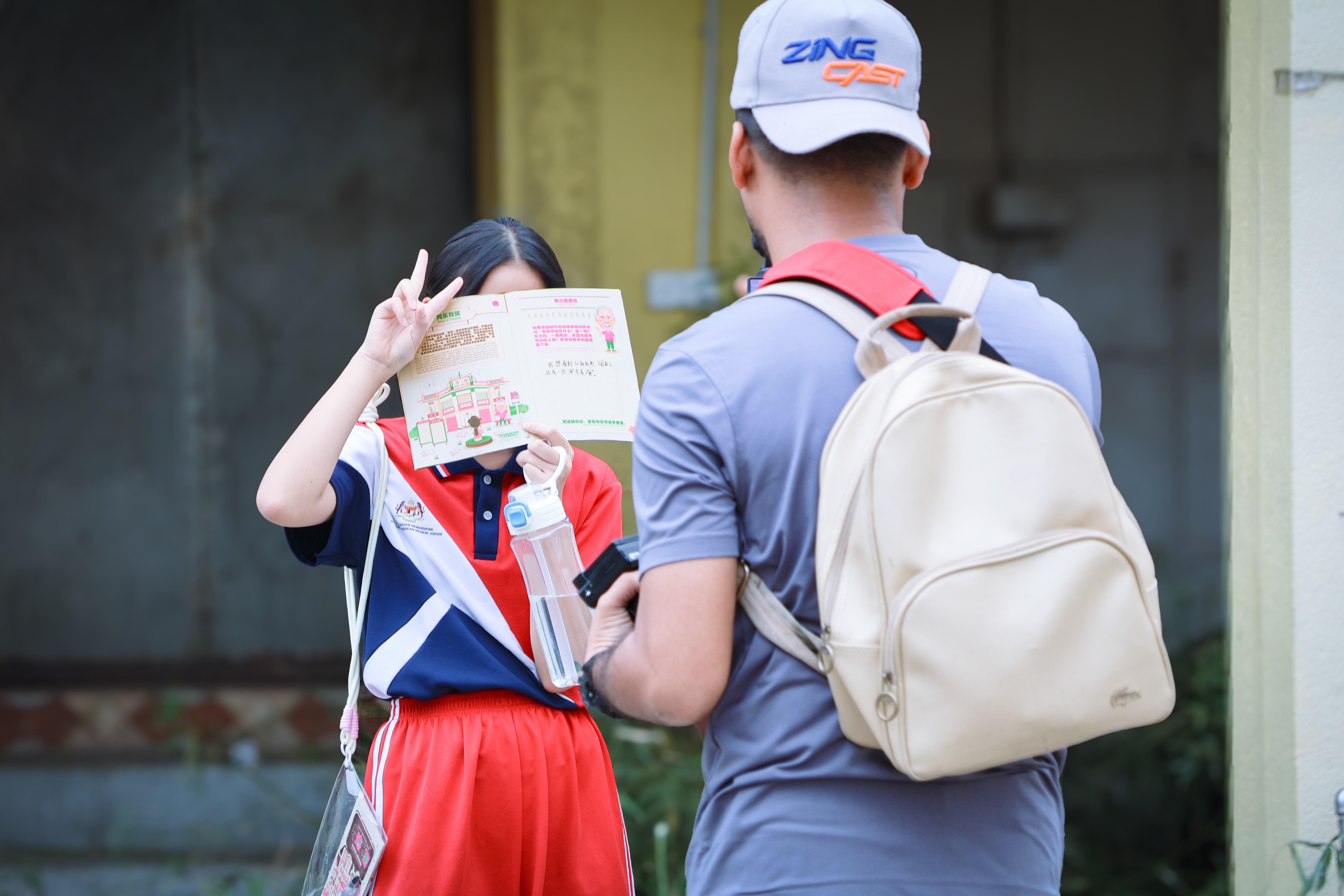
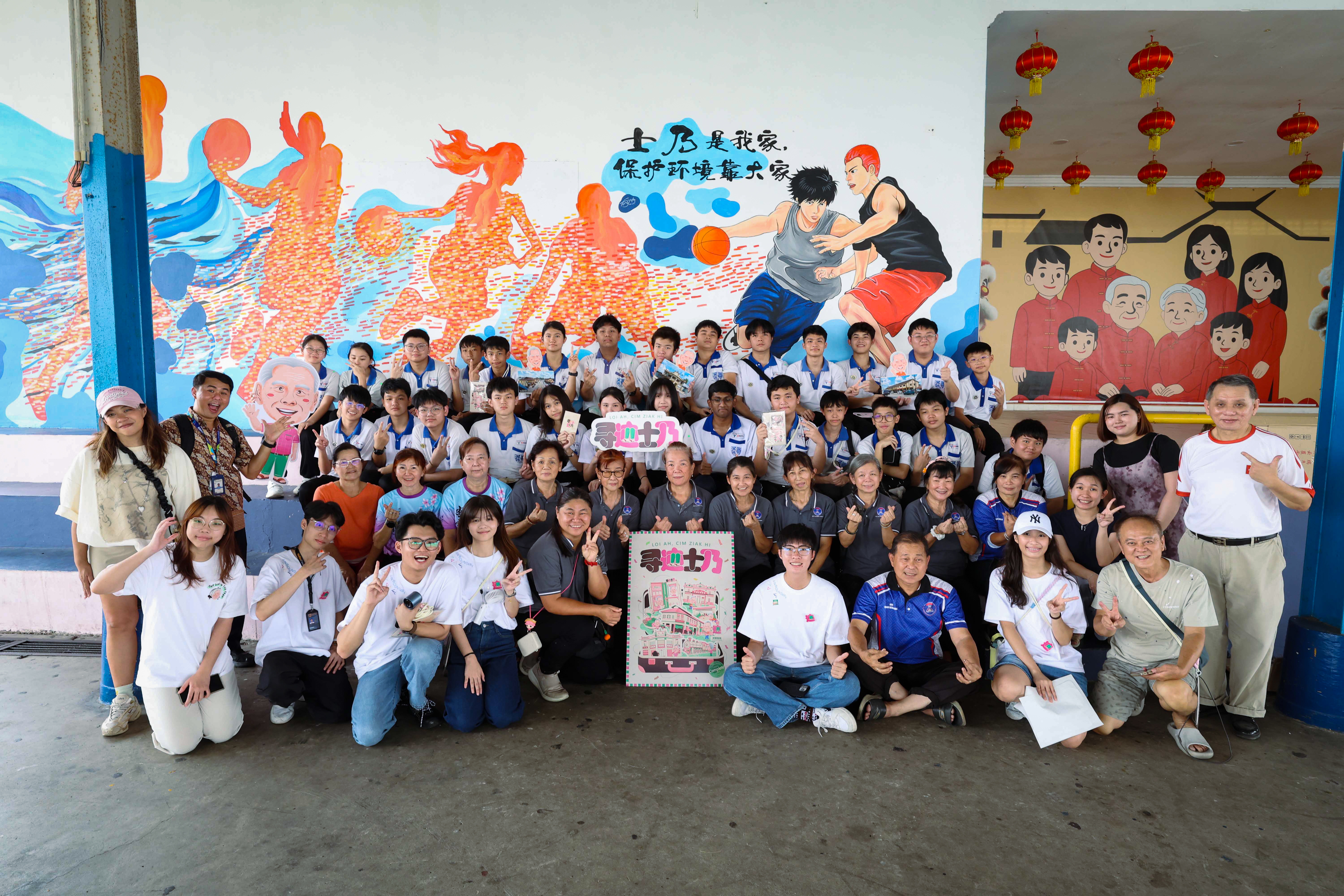
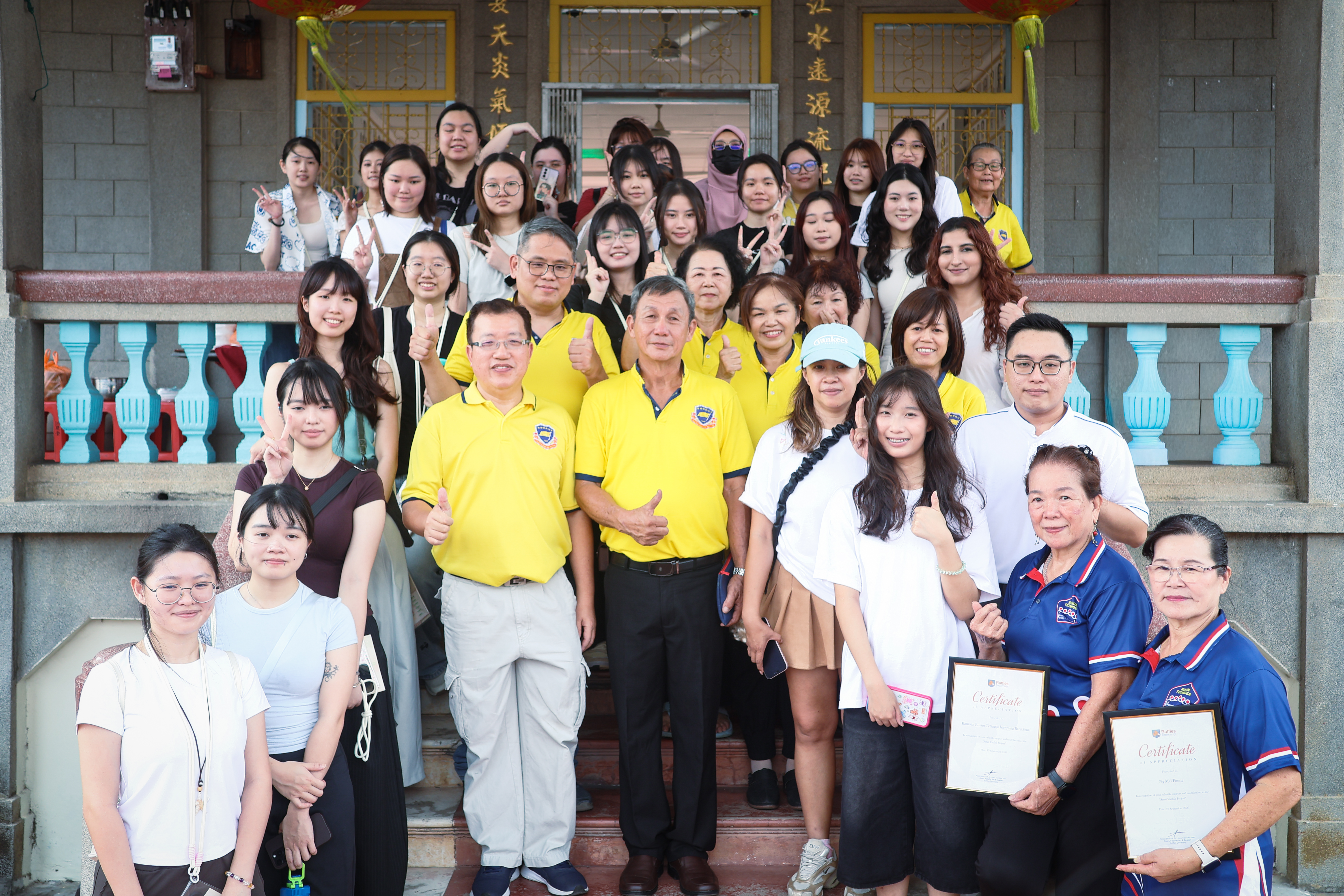
The project was carried out through three guided route sessions with students from Foon Yew High School, SJK(C) Senai and Raffles University, with a total of 63 direct participants. Each group followed the cultural learning route around Kampung Baru Senai and visited different locations while learning about the stories and culture connected to each place. Participants also took part in activities using the Trace Pack and app, so they could interact with the route instead of only listening to explanations. We also prepared 50 copies of the Cultural Learning Map for the public, so people could explore the route on their own.
4. Were there unanticipated difficulties? Budget constraints?
One of our main challenges was collecting and organising information from different sources. We had to communicate with community members, arrange interviews, collect old stories and photos, and decide how to present the information in a way that students could understand. Coordination was also sometimes challenging because we had to manage the route, participants, materials and activities at the same time. During the first round, our route planning was quite rushed and some parts felt a little too fast. After the first session, we could see what needed to be changed and adjusted the later sessions. Our budget was manageable, but we still had to keep track of the printing and material costs.
5. Language or cultural barriers?
Another challenge was language, as our participants came from different backgrounds, including Chinese, Malay and Indian students. Some of them were not familiar with Chinese, especially when we used deeper or more traditional Chinese terms to explain the cultural stories. During the sessions, we explained some things in simpler words and translated them when needed. We also used the app to help with translation. This made it easier for participants from different backgrounds to follow the route and understand the stories.
6. What worked well? What didn’t work well?
One thing that worked well was the combination of the physical route, interactive activities and digital elements. Participants could walk around the actual locations, complete activities and learn through the stories connected to each place. We also got to see their reactions directly, which helped us understand which parts of the route they found interesting. However, the first round showed us that our route planning and time management could have been better. Some parts were quite rushed, so if we continue the project, we would give ourselves more preparation time and plan the timing between each stop more carefully.
7. How many people benefited or will benefit from your project? Who are these people?
Through the project, we directly engaged 63 students from three educational institutions: Foon Yew High School, SJK(C) Senai and Raffles University. In addition, the project also reached members of the public through the self-guided Cultural Learning Map, public activities and the Trace Wall. Overall, we estimate that around 90–100 people were reached or engaged through the project. The local community members who shared their stories and memories also became an important part of the project, as their experiences were documented and introduced to younger participants.
8. What is the long-term impact and sustainability of this project? Is there a future for your project?
We hope 寻迹士乃 Loi Ah, Cim Ziak Hi can continue after this project. The route and learning materials can be used when working with more schools, universities and community groups in the future. We can also continue developing the app by adding more stories, locations and interactive features. We hope that by making Senai's stories easier and more interesting to discover, more people will be willing to learn about the area and its culture. At the same time, we want to keep the focus on the local stories and memories that are already part of Senai, so they can continue to be shared with the next generation.
Section II
1. Project Reflection
The project brought happiness to the participants in simple ways. During the route sessions, students were able to walk around Senai with their friends, take part in the activities, discover new places and listen to stories about the area. Instead of only learning about heritage in a classroom, they could learn by actually being at the places they were learning about. Seeing them enjoy the activities, ask questions and interact with the people around them was one of the most meaningful parts of the project for us.
We also hope that the project can have a longer-lasting effect after the activities ended. Some of the places we visited may look ordinary to people who pass by them every day, but they have their own stories and memories. After learning about them, participants may look at these places differently when they pass by them again. More importantly, the stories shared by local community members were given a chance to be heard and shared with younger people in the future.
For us, the project also changed the way we look at the place around us. At the beginning, we did not realise how many stories were connected to the places we passed by every day. As we did more research and spoke to people in the community, we started to understand Senai from a different perspective. We learned that a place is not only made up of its buildings and streets, but also the memories and experiences of the people who live there. This made the project more meaningful to us because we were not only creating an activity for students, but also learning about our own local community along the way.
2. Personal Statements
“This project made me realise that there is more to Senai than what we see on the surface. The most meaningful part was hearing stories from people who have lived here for many years, which made me see these places in a different way and appreciate how much local history lives in people’s memories.”
— Joon Yu Xuan
“Through this project, I realised that technology is not just a tool, but can also be a way to help people discover and understand the stories and culture of a place. Seeing the app become part of the students’ journey made me realise that digital tools can make local stories easier to explore and more interesting for younger people.”
— LoH Min Yu
“This project showed me how simple activities can bring people closer to a place and its stories. During the activities, I helped to guide and support the students as they explored Senai, and seeing their reactions and curiosity made the experience very meaningful to me.”
— Tai Ke Ning
“Through this project, I learned how important it is to document the experience, not just the final outcome. By taking photos and videos during the project and putting them together into the final video, I was able to capture the moments, interactions and memories that happened along the way.”
— Darell Tan Yong Kang
“Being involved in the planning of this project made me realise how much thought goes into creating an experience for others. It was meaningful to see how our ideas, research and planning came together to create a project that helps people discover the stories and culture of Senai.”
— Chong Sheng Yen
Section III
Video
Image Gallery
 0 Days Left
31 Supporters
1 Favourited


